Navigate the complex world of Downloadable Content DLC in gaming with this comprehensive guide tailored for busy US gamers. Understand what is DLC its various types like expansions cosmetic packs and season passes and how it impacts your gaming experience. Discover essential tips for making smart purchasing decisions maximizing value for your time and money and staying current with game trends without overwhelming your schedule or budget. This article addresses common pain points such as balancing gaming with life identifying worthwhile content and ensuring performance. Learn how DLC extends game longevity fosters social play and helps you get the most out of your favorite titles amidst a busy lifestyle ensuring every gaming session is rewarding and fun. We break down the whats whys and hows of DLC to empower you to game smarter not harder.
Related games- Guide How to Change Your Roblox Birthday Account Age
- Guide: Who Created Roblox? The Founders Story Explained
- Guide: Can You Buy Roblox Online Safely?
- Are Roblox Servers Having Issues? Quick Fix Guide
- How to Use Roblox Bracelets: A Gamer's Essential Guide
What does DLC mean for my favorite game's future?
DLC, or Downloadable Content, often means your favorite game has a longer life ahead! Developers use DLC to extend storylines, introduce new characters, add fresh maps for multiplayer, or even drop new cosmetic items that keep the experience feeling new. For busy gamers, this is fantastic as it allows you to revisit a beloved game with new content without needing to invest in learning an entirely new title from scratch. It maintains community engagement, especially for online games, ensuring there are always friends to play with on new challenges and adventures.
Is all DLC paid content, or can I get it for free?
While most DLC does come with a price tag, designed to fund ongoing development and new content creation, not all of it is paid. Many developers offer free DLC, often in the form of bonus content, community rewards, or limited-time promotional items. These free additions can include new modes, small item packs, or seasonal events. Always check a game's official channels or digital storefront page, as sometimes even significant content might be offered for free as a thank-you to the player base or to celebrate milestones.
Should I always buy a game's DLC right when it comes out?
For busy gamers looking for value, it's often wise to wait before buying DLC immediately upon release. Waiting allows you to read reviews, watch gameplay videos, and see if the new content genuinely aligns with your interests and playstyle. Many DLCs eventually go on sale, or get bundled into 'Game of the Year' or 'Complete' editions at a much better price, sometimes a year or two down the line. Unless you're an avid fan who absolutely needs the latest content for social play with friends, patience can often save you money and ensure you invest in truly worthwhile additions.
How do I find and install DLC for games I already own?
Finding and installing DLC is usually straightforward. For console gamers, navigate to the game's product page on your system's digital storefront (PlayStation Store, Xbox Marketplace, Nintendo eShop) and look for a 'DLC' or 'Add-ons' section. On PC, platforms like Steam or Epic Games Store will have similar sections on the game's library page. Once purchased, the DLC will typically automatically download and install when you next launch the game. If not, check your game's main menu for an 'Extras' or 'Downloadable Content' option, or your system's download queue to initiate the process manually.
Can I play DLC without owning the base game?
Generally, no, you cannot play DLC without owning the base game. DLC is designed as an extension of an existing game and requires the core game files to function. Think of it like buying an expansion pack for a board game; you still need the original board game to play it. There are rare exceptions where a 'standalone' expansion might be released, which is essentially a very large DLC that can be played without the base game, but these are clearly marketed as such. Always ensure you have the base game installed and updated to access your DLC.
What are the best strategies for managing DLC purchases on a budget?
Managing DLC purchases on a budget is key for many gamers. First, prioritize; focus on DLC that truly enhances your experience or offers significant content rather than minor cosmetic items you might rarely use. Second, always wait for sales. Digital storefronts have frequent discounts, and many older DLCs get bundled into 'complete' editions offering great value. Third, consider your playstyle: if you mainly play a specific game, investing in its substantial DLC might be better than buying multiple cheaper ones you won't fully explore. Lastly, utilize wishlists to track prices and only buy when the value feels right for you.
How has DLC evolved with current gaming trends?
DLC has significantly evolved, adapting to current gaming trends. We've seen a shift from purely large expansion packs to a mix that includes cosmetic-focused microtransactions, battle passes in free-to-play titles, and season passes that promise a year's worth of content. Mobile gaming's dominance has popularized smaller, more frequent in-app purchases. Cross-play and social gaming trends mean DLC often focuses on new maps, characters, or modes that foster community engagement. Developers are now designing games with long-term DLC roadmaps from the start, often tied to esports viewing or streamer influence, ensuring a continuous flow of fresh content that keeps up with player expectations for ongoing engagement and dynamic experiences.
Ever felt like you just bought a game, got completely hooked, and then realized there's a whole 'nother chunk of content waiting to be purchased? You're not alone. For many US gamers, particularly those balancing careers, family, and life, the sheer volume of new content can be both exciting and overwhelming. With 87% of US gamers regularly engaging with their favorite titles, often for 10+ hours a week, and a significant portion prioritizing relaxation and value for money, understanding what is DLC in gaming is crucial. It's not just about spending more; it's about making smart choices to enhance your limited gaming time and keep enjoying the virtual worlds you love without breaking the bank or feeling left behind.
Downloadable Content, or DLC, has become a core part of the modern gaming landscape. It's a way for developers to extend the life of their games, introduce new narratives, characters, challenges, or simply offer cosmetic customizations. But for a gamer who values every minute and dollar, navigating the sea of expansions, season passes, and microtransactions can be a challenge. This guide is designed to cut through the hype, offering practical, no-nonsense advice on what is DLC in gaming, how it impacts your experience, and how to make informed decisions that fit your lifestyle. We'll help you optimize your fun, build skills, and stay connected with friends without adding unnecessary stress or cost. Let's dive in and demystify DLC together.
What exactly is DLC in Gaming?
DLC stands for Downloadable Content. In simple terms, it's additional content that you can download and add to a video game after its initial release. Think of it as an extension or an add-on to the base game you already own. This content can vary wildly, from massive story expansions that add dozens of hours of gameplay to minor cosmetic items like new outfits or weapon skins. It's a way for game developers to keep their titles fresh, generate continued revenue, and respond to player feedback by adding new experiences.
Unlike a free patch or update that fixes bugs or improves performance, DLC is typically optional and often comes with an additional cost. However, there are exceptions, with some developers offering free DLC packs as a bonus or community reward. The rise of digital distribution has made DLC a prevalent part of the gaming ecosystem, allowing for easy access to new content right from your console or PC's storefront.
Why do game developers release DLC?
Developers release DLC for a variety of strategic and creative reasons. Firstly, it extends a game's lifespan, keeping players engaged long after the initial launch. This is particularly valuable in today's market where games are often designed to be live services. Secondly, DLC provides a significant source of post-launch revenue, which can fund future projects, cover ongoing operational costs, and even allow for more ambitious content creation than might have been feasible within the original development budget. This financial stability is crucial for studios, especially those navigating the competitive landscape of the gaming industry.
Beyond economics, DLC also allows developers to flesh out narratives, introduce new gameplay mechanics, or explore concepts that didn't make it into the base game's release. It enables them to respond to community feedback and evolving trends, fostering a stronger connection with their player base. For instance, if a specific character or lore element becomes popular, DLC can be created to delve deeper into it, satisfying fan demand and building loyalty.
What are the different types of DLC available?
DLC comes in many forms, each offering a different kind of addition to your game. Understanding these types helps you determine what's worth your hard-earned cash and precious gaming hours. Here are the most common:
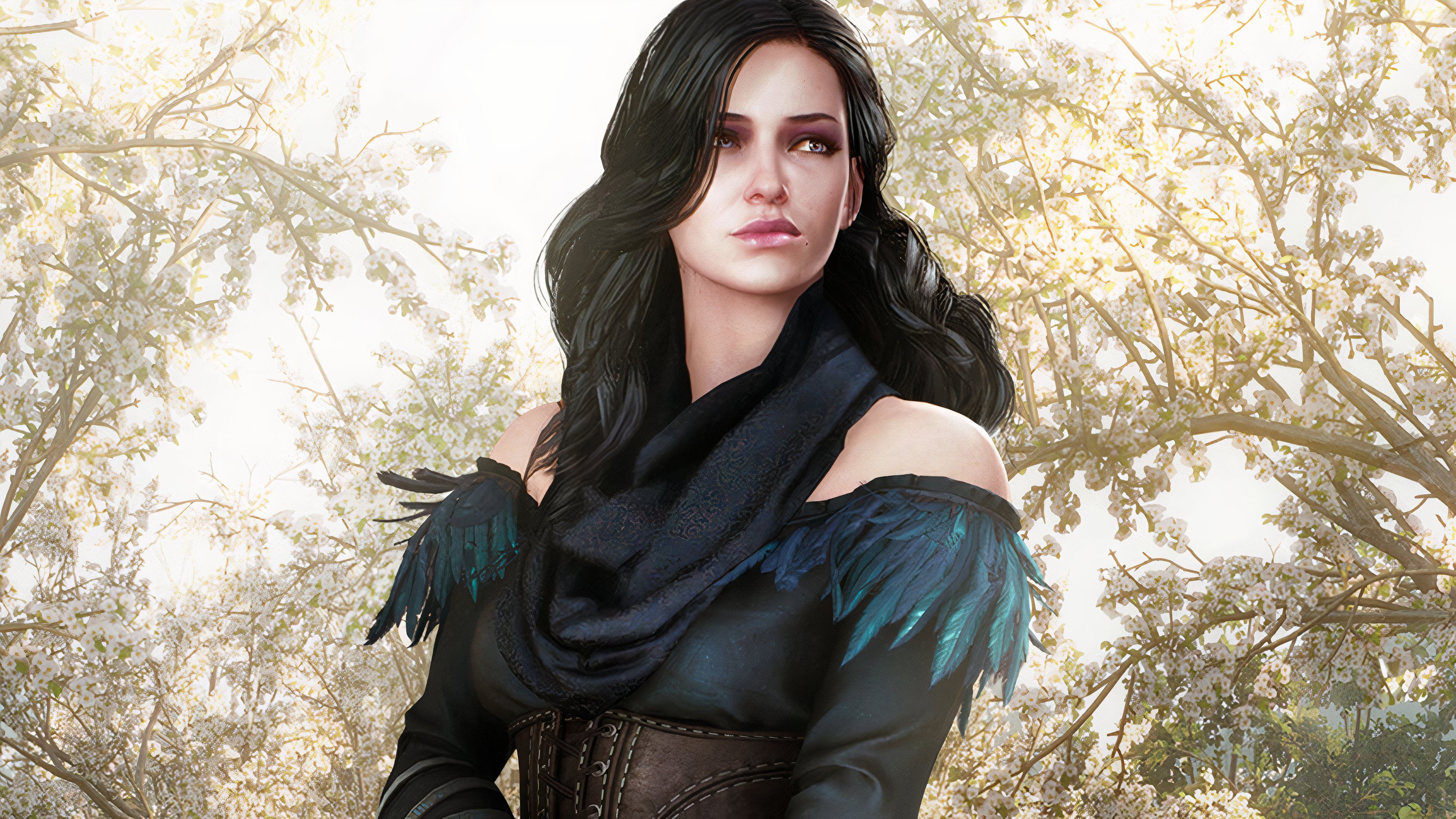
- Expansion Packs: These are typically the largest and most substantial type of DLC. They often introduce new story campaigns, characters, areas, enemies, and gameplay mechanics, essentially feeling like a mini-sequel to the original game. Examples include The Witcher 3's 'Hearts of Stone' and 'Blood and Wine' expansions, which added dozens of hours of acclaimed content.
- Story Packs: Similar to expansions but often smaller in scope, these focus primarily on adding new narrative quests or side stories, sometimes introducing new characters or lore elements without a massive new world map. They're great for players who love diving deeper into a game's universe.
- Character Packs: These add new playable characters to the game, often with unique abilities, weapons, or storylines. This is common in fighting games, RPGs, and action titles, giving players more options for their playthroughs.
- Cosmetic Packs: Also known as skin packs or customization items, these DLCs offer purely aesthetic changes like new outfits, weapon skins, emotes, vehicle liveries, or player icons. They don't affect gameplay but allow players to personalize their experience and show off unique styles, which is a big draw for many, especially in social gaming environments.
- Item Packs / Gear Packs: These provide in-game items such as weapons, armor, crafting materials, or currency. While some can offer a slight advantage or convenience, others might just be cosmetic variations or starter boosts. Be wary of
DLC definition types pros and cons purchasing guide impact on game longevity and community value for money tips managing budget with DLC knowing when to buy or wait.
35#1 Gallery what is dlc in gaming

.webp)
What Is DLC Gaming Everything You Need To Know 2024 Updated Types Of Dlc . Microsoft Is Giving Us Loads Of Xbox DLC And Title Updates In 2026 Dlc . What Is DLC In Gaming Explained Simply Green Button Gaming YouTube . 5 Games Dying For DLC In 2026 As Much As Witcher 3 Witcher 3 Dlc 2026 Games Story . Shinobi Art Of Vengeance DLC Review April 2026 Is It Worth Playing Shinobi Art Of Vengeance Dlc Review 2026 Infographic (1).webp
#2 Gallery what is dlc in gaming

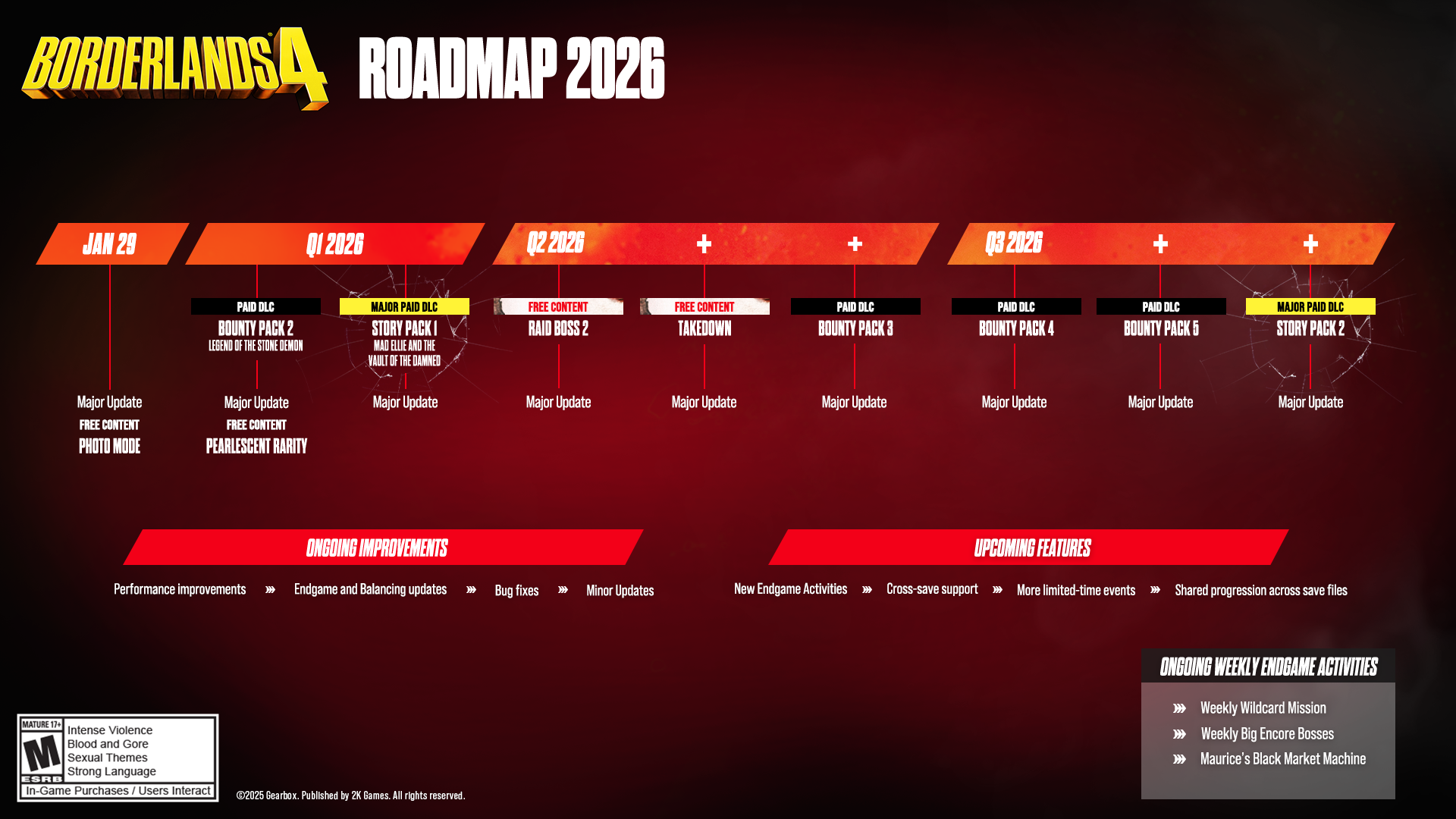

Top 3 DLC Value Picks 2026 Ces Extensions Offrent Le Plus De Top 3 DLC Value Picks 2026.webp. How DLC Boosts Engagement For Games Newzoo Free Report DLC Featured Image 1 1024x576 . 2026 Roadmap Borderlands 4 BL4 2026 Roadmap . The Meaning Of DLC In Gaming MASHENE MUSIC LAS VEGAS Text To Image. 10 NEW Games And DLC To Play In January 2026 YouTube
#3 Gallery what is dlc in gaming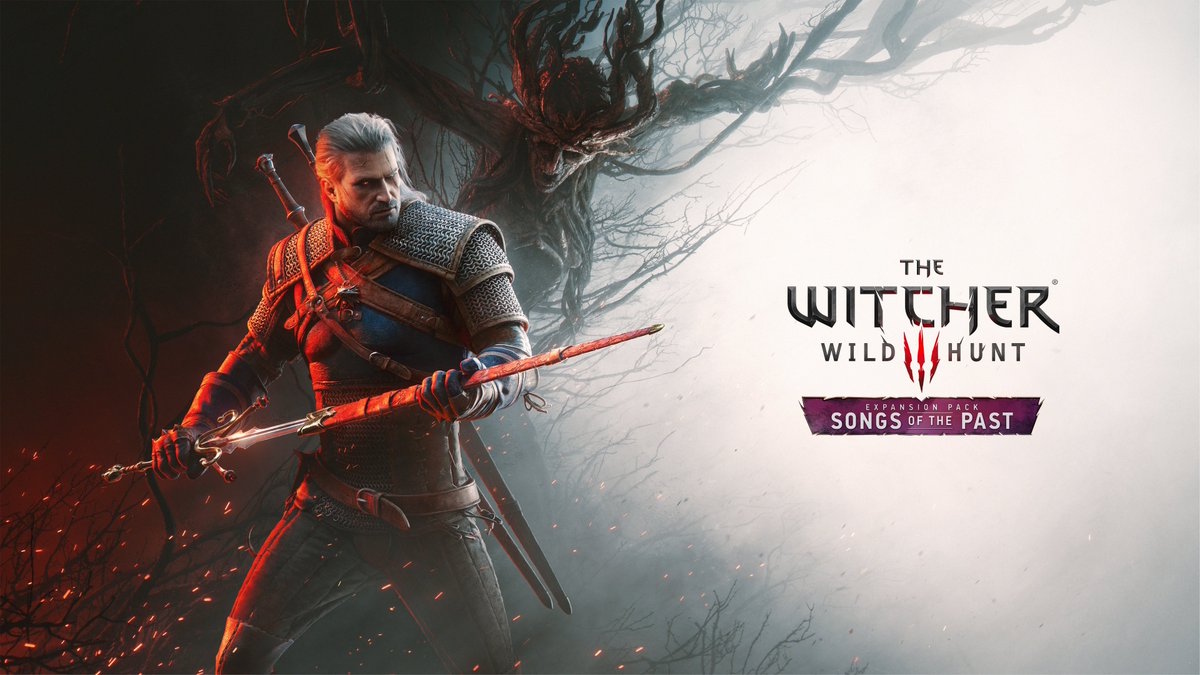
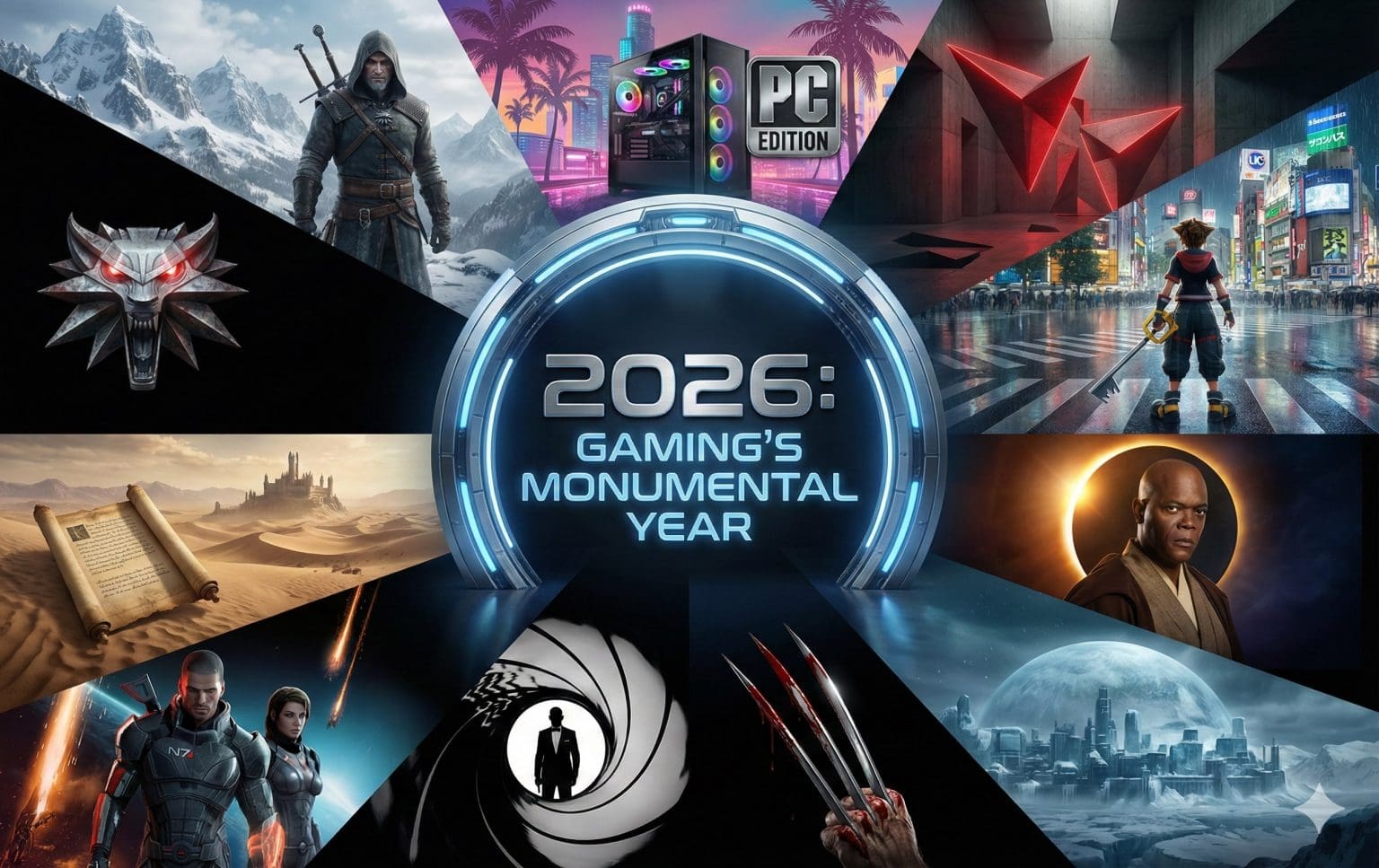
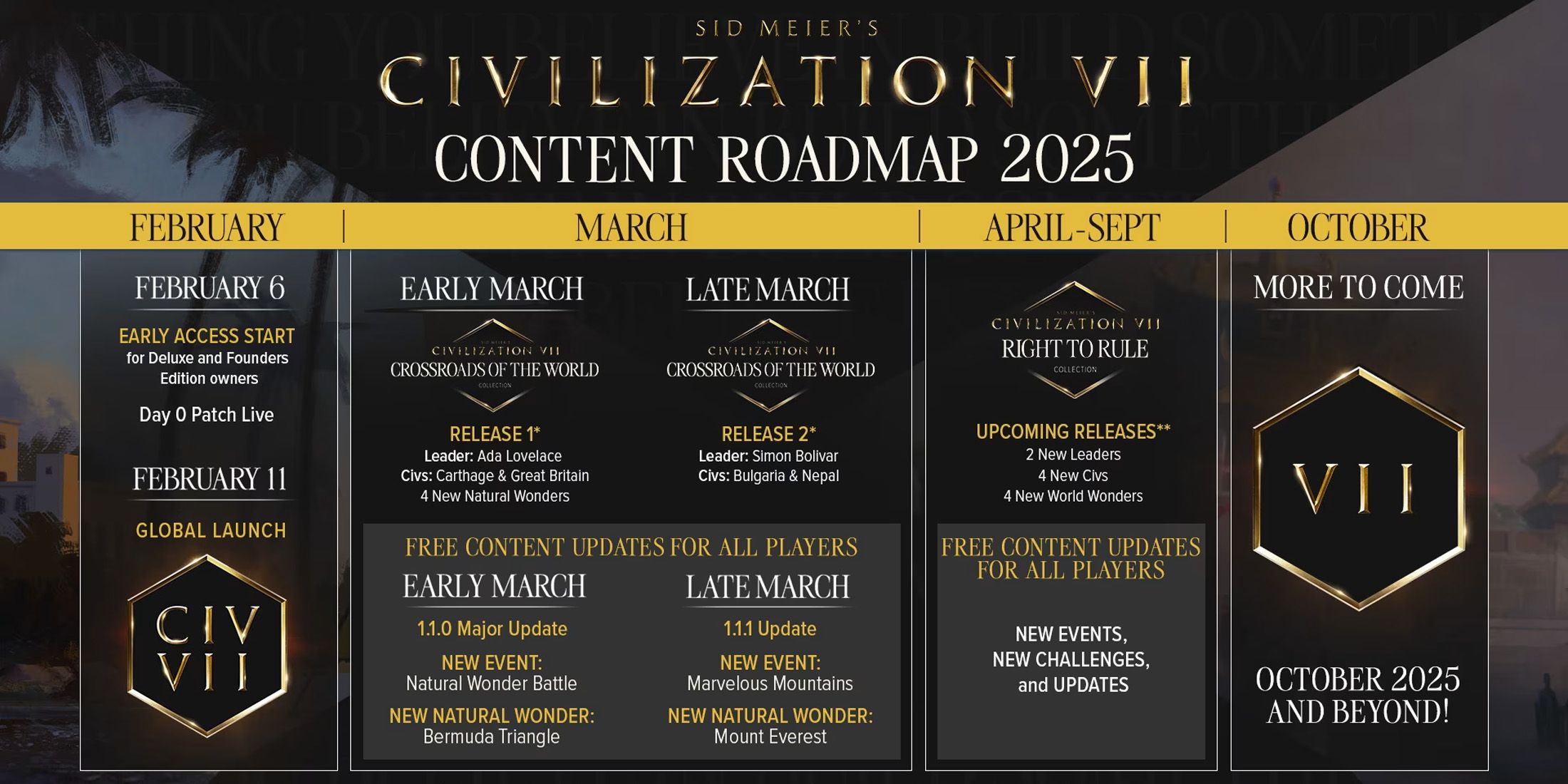
Is Witcher 3 Getting A New DLC In 2026 Rumors And Leaks Explained Beebom The Witcher 3 Wild Hunt Songs Of The Past DLC Poster . 10 Much Awaited Games Set To Launch In 2026 Games To Launch 2026 1536x967 . 7 Roadmap Revealed All New Content Coming Leaders And Civ 7 Dlc Roadmap 2025 . The 94 Most Exciting Games Of 2026 Eurogamer Net 2026 Best . 2026 In Gaming Releases What Are We This Year Blogs 2026 Gaming 2
#4 Gallery what is dlc in gaming


Xbox Game Showcase 2026 Trailers Release Dates TAFT Independent 2026 Video Game Release Dates Post Feature Image . Top 10 Most Anticipated Games Of 2026 What To Watch Out For TVN GAMES IN 2026 . Top 10 Most Anticipated Games Of 2026 Biggest Upcoming Game Releases . 20 Most Anticipated Video Games Of 2026 Page 7 1200x675 . Geo Political Simulator 2026 Edition DLC Dan Semua Add On Epic Games Simulator 2026 Edition 9ag98
#5 Gallery what is dlc in gaming

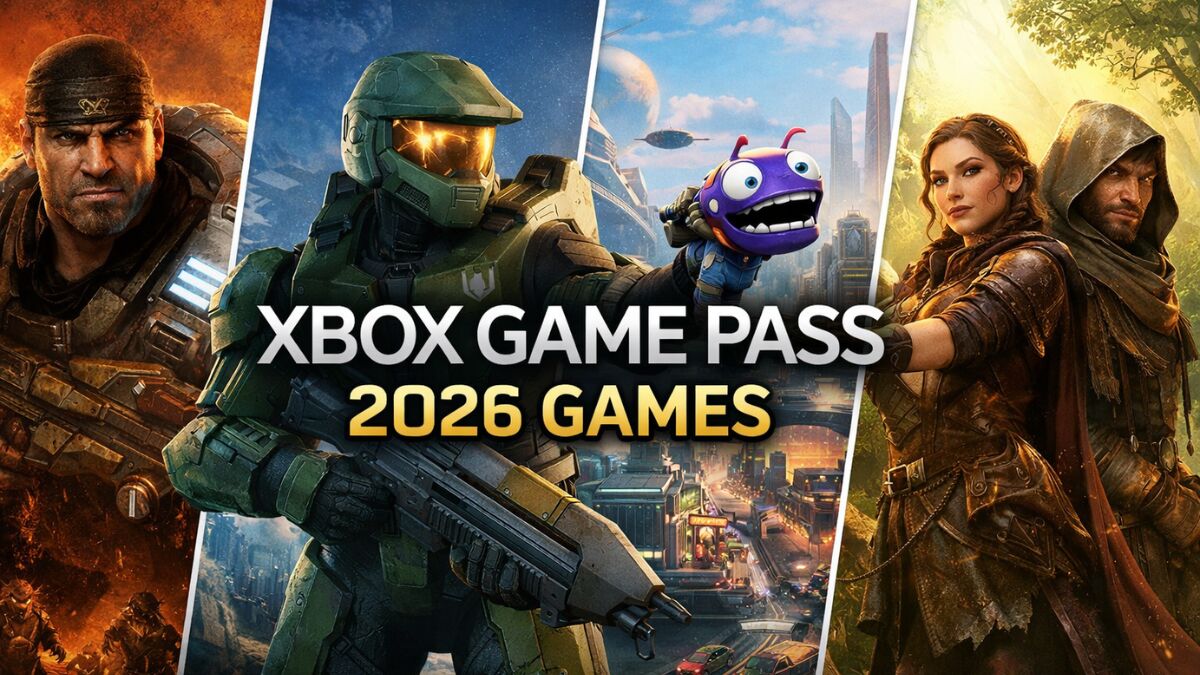
WellPlayed DLC 265 The Best Games We Didn T Review In 2025 And Our . Lineup Revealed For Xbox Game Pass Games March 2026 Xbox.webp. 8 Games In My Xbox PC Backlog I M Finally Tackling In 2026 Windows 1376 80 . 2026 Upcoming Games And Game Release Dates Guide 2026 Upcoming Games Release Dates . Xbox Game Pass 2026 Games Full List Of All Confirmed And Upcoming Releases Xoxe
#6 Gallery what is dlc in gaming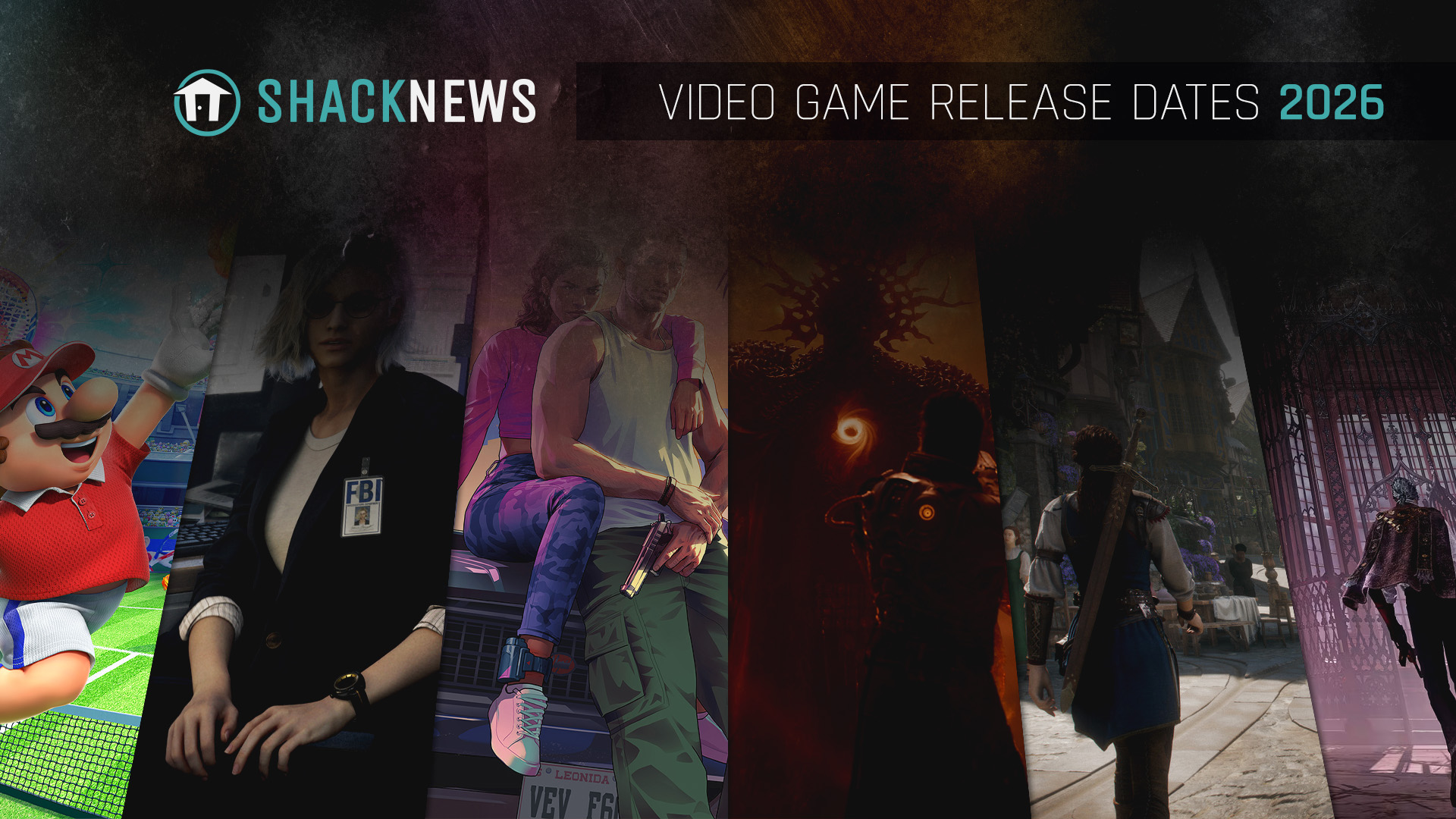
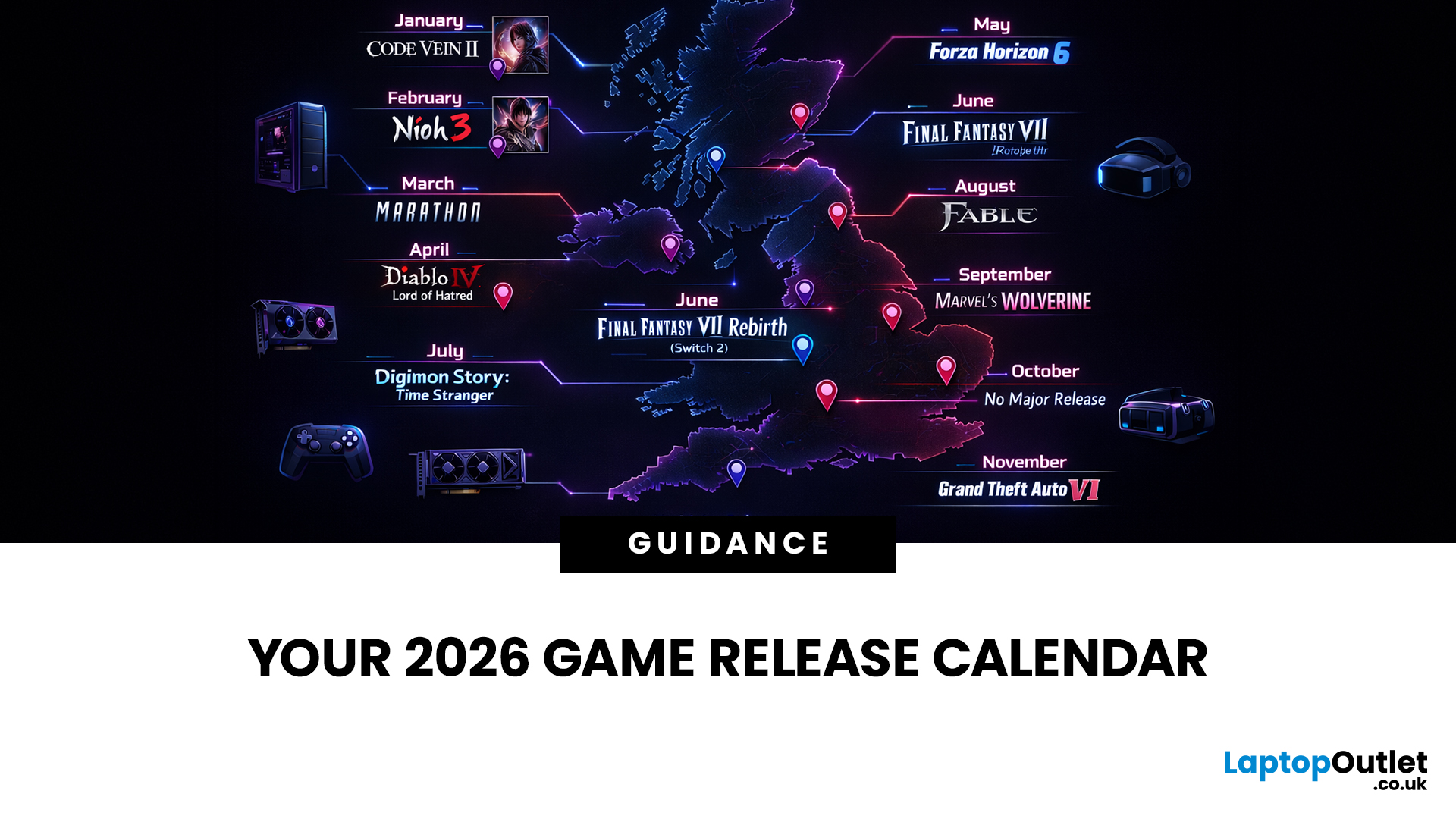
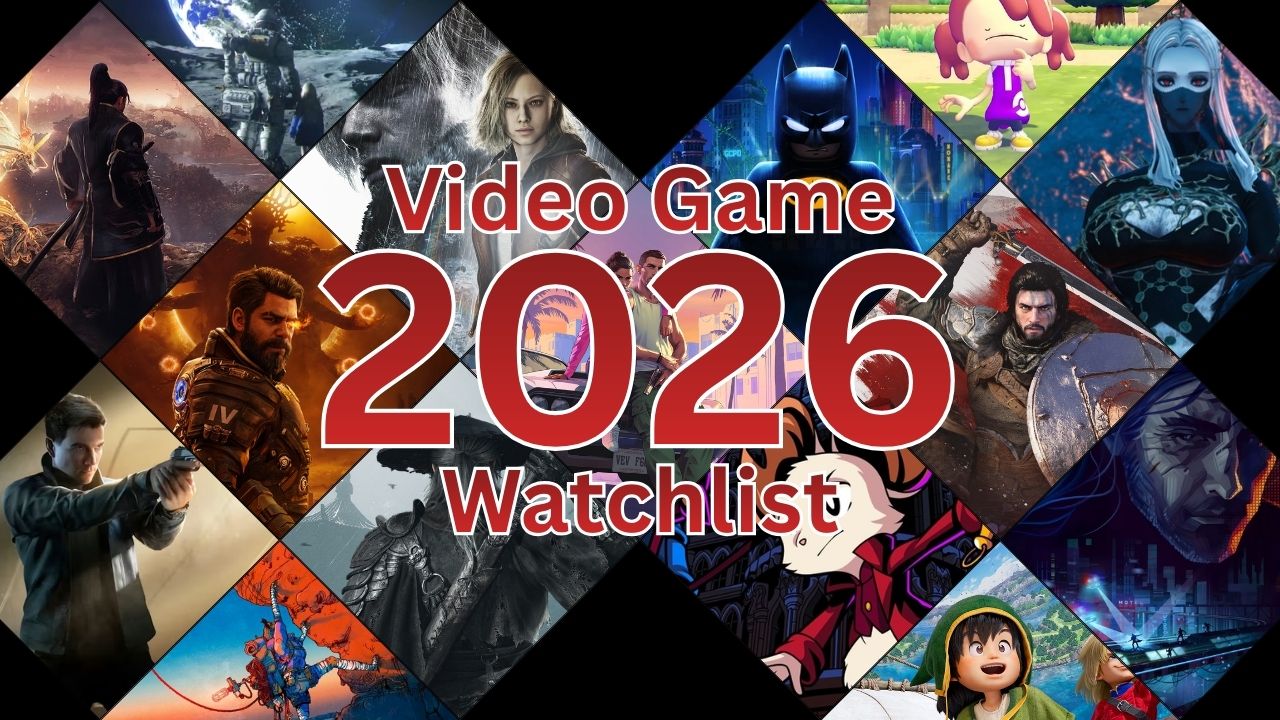
2026 Video Game Release Dates Calendar Shacknews 2026 Video Game Release Dates Calendar Feature Image Feature . 2026 Game Releases Full Upcoming Games Calendar Release Dates PS5 Game Releases Full Calendar Release Dates Main . Video Games 2026 Ones To Watch Part 1 Quest Daily 2026 Games Pt 1 . Upcoming Games 2026 Full Video Game Release Calendar Beebom 2026 Games Release Schedule . How To Choose The Right Gaming PC In 2026 Complete Guide Complete Guide
#7 Gallery what is dlc in gaming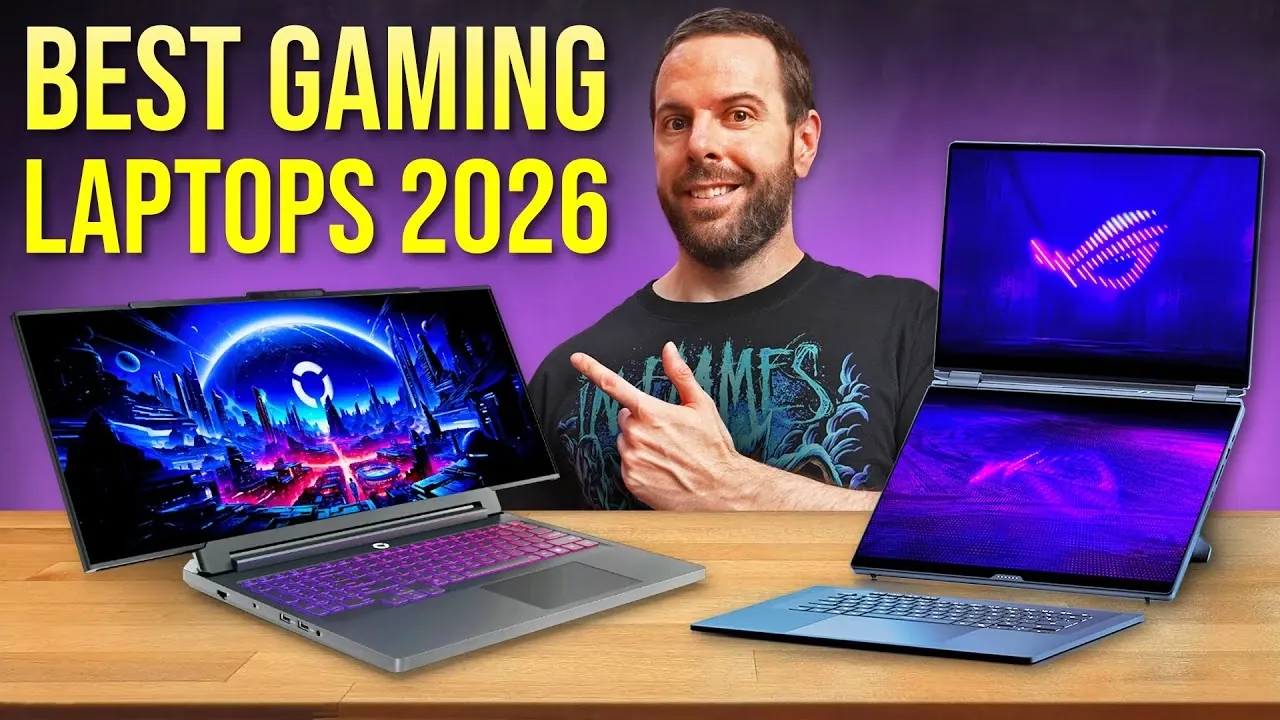

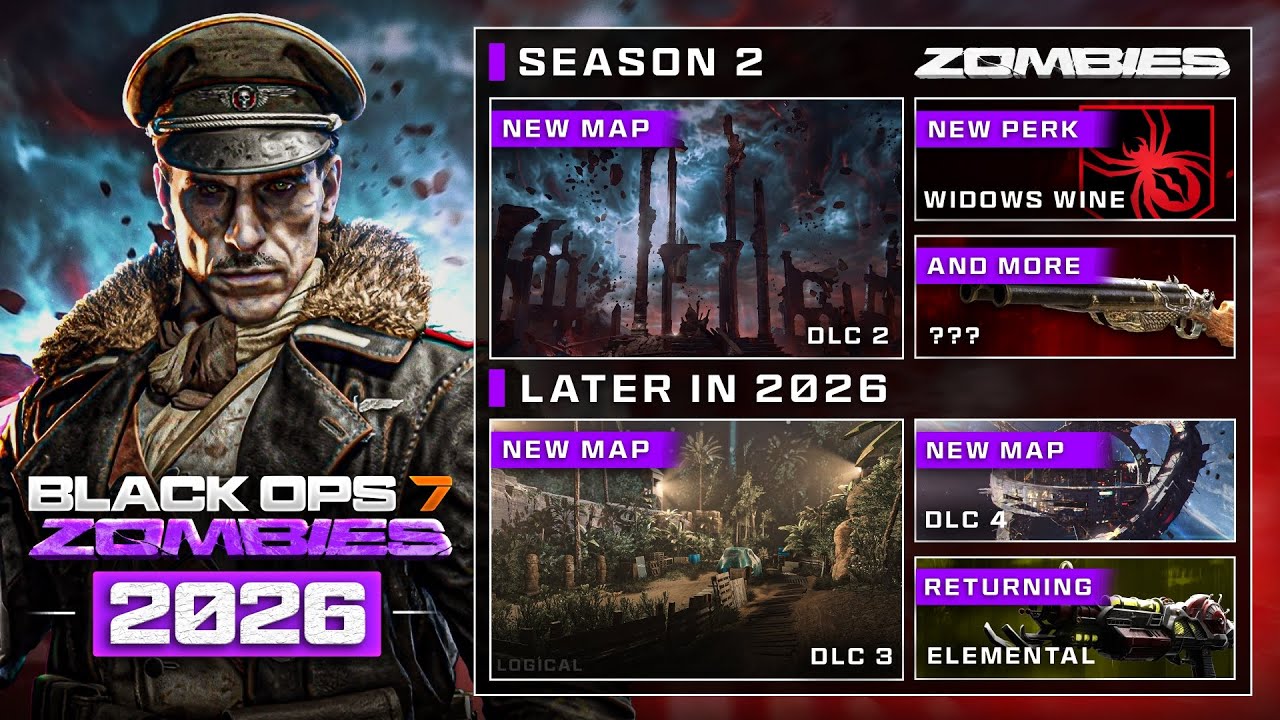
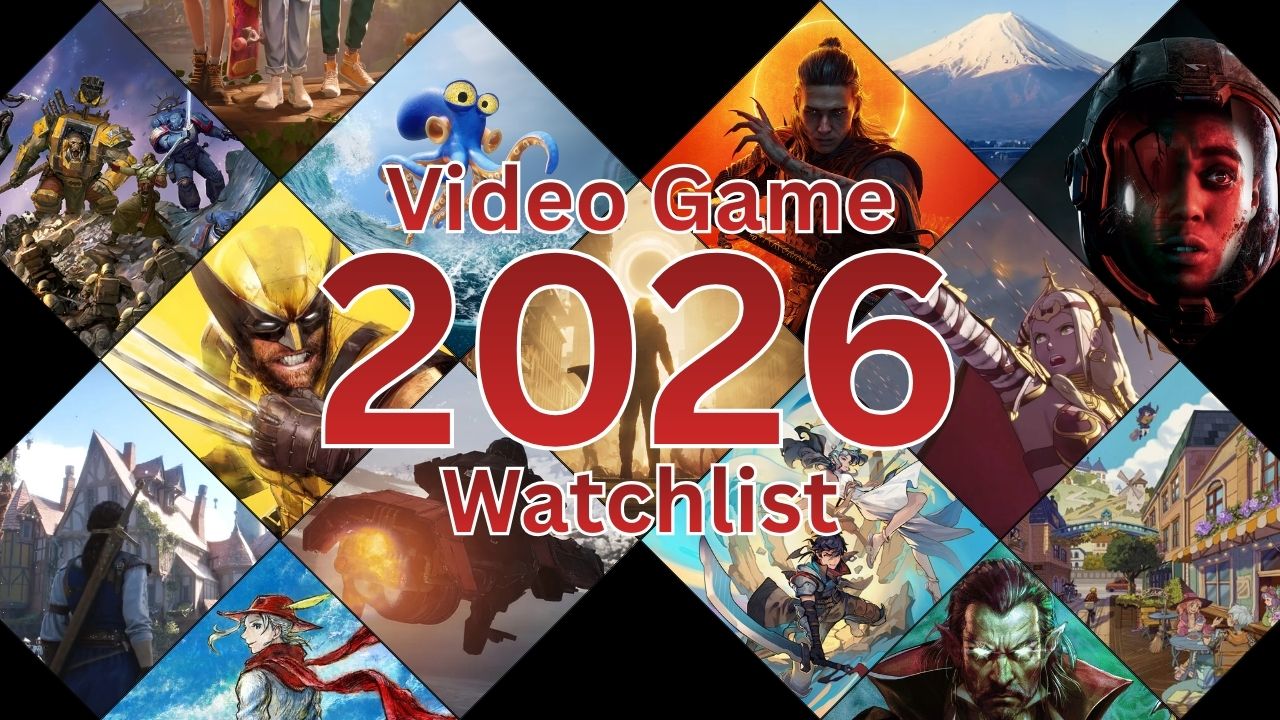
Best Gaming Laptops At CES 2026 RTX 5090 Options Dual Screen Picks Lenovo Legion Pro Rollable Concept. UPDATED Xbox Game Pass February 2026 Schedule Of Confirmed Titles 1200x628 Xbox Confirm Feb 2026.webp. NEW Black Ops 7 Zombies 2026 DLC LEAKS EVERYTHING Known So Far DLC . Video Games 2026 Ones To Watch Part 2 Quest Daily 2026 Games Pt 2 . Sonniss Releases The GDC 2026 Game Design Bundle For FREE 7 GB Sonniss