Ever wondered how a passion for video games can profoundly reshape your entire existence? This deep dive explores the transformative power of gaming, moving beyond mere entertainment to illustrate its impact on personal growth, skill development, and social connections. Discover inspiring stories where individuals leveraged gaming to build resilience, foster critical thinking, and even forge new career paths in the rapidly expanding digital landscape. We examine how competitive esports, creative game development, and supportive online communities are offering unparalleled opportunities for self-discovery and achievement in 2026. This comprehensive guide provides navigational insights into the myriad ways gaming can truly change your life for the better, offering informational perspectives on its evolving role in modern society. Prepare to see gaming not just as a hobby, but as a powerful catalyst for personal and professional evolution, proving its worth far beyond the screen.
- How does gaming improve cognitive function and reaction time? - Gaming, especially fast-paced genres like FPS, constantly demands quick decision-making and precise input, training the brain to process visual information rapidly and execute commands efficiently. This consistent practice enhances neuroplasticity, leading to measurable improvements in cognitive processing speed and reaction time that transfer to daily tasks.
- Can playing video games genuinely enhance problem-solving abilities? - Yes, many video games, particularly strategy and puzzle genres, require players to analyze complex scenarios, devise intricate plans, and adapt to unforeseen challenges. This continuous exercise in critical thinking and iterative solution-finding directly strengthens real-world problem-solving and analytical reasoning skills over time.
- What are the social benefits of online gaming communities? - Online gaming communities offer powerful platforms for social connection, allowing individuals to form friendships and build supportive networks with people sharing similar interests globally. Players collaborate, communicate, and overcome challenges together, fostering teamwork, leadership, and a sense of belonging that can combat feelings of isolation.
- Is it possible to leverage gaming experience for career opportunities? - Absolutely. Skills honed through gaming, like strategic planning, project management (from guild leadership), effective communication, and problem-solving, are highly transferable. Showcasing these on a resume, particularly for roles in tech, esports, or content creation, demonstrates initiative and valuable modern competencies to potential employers.
- How does gaming contribute to mental resilience and stress relief? - Gaming can act as a constructive outlet for stress, providing a focused escape and a sense of accomplishment through challenges. Overcoming in-game obstacles builds mental fortitude, teaching perseverance and adaptability, which helps individuals manage real-life frustrations and build resilience against adversity.
- Can gaming positively impact academic performance and learning? - Certain games can enhance academic performance by improving focus, critical thinking, and problem-solving skills crucial for learning. Educational games directly teach subjects interactively, while even entertainment games can foster better concentration and strategic approaches to complex tasks, making learning more engaging.
- What role do games play in fostering creativity and innovation? - Many games, especially sandbox or creative titles, provide platforms for players to design, build, and innovate within virtual environments. This encourages experimental thinking, problem-solving, and imaginative expression, stimulating creative faculties that can extend beyond the game into various aspects of life and work.
- Guide How to Sell Your Stuff on Roblox for Robux
- Guide: Can U Get Roblox On Switch? Gamers Need To Know
- Guide to Anime Rankings Roblox Groups For Busy Gamers
- Guide to Headless Roblox Your Ultimate Avatar Guide
- Guide How To Get Roblox Cards Free Legitimately 2026
how gaming changed my life FAQ 2026 - 50+ Most Asked Questions Answered (Tips, Trick, Guide, How to, Bugs, Builds, Endgame)
Welcome to the ultimate living FAQ about how gaming has profoundly changed lives, updated for the exciting landscape of 2026! Whether you're a seasoned gamer or just curious about its impact, this comprehensive guide dives deep into the myriad ways video games influence personal growth, social connections, career paths, and mental well-being. We've gathered over 50 of the most asked questions, from beginner queries to advanced insights, providing clear answers, essential tips, and even debunking common myths. Discover how strategy, teamwork, and even virtual friendships are shaping real-world success. This is your go-to resource for understanding gaming's transformative power in the modern era.
Beginner Questions
How can gaming improve my problem-solving skills?
Gaming regularly presents players with puzzles, strategic challenges, and obstacles that demand creative solutions. Whether it's figuring out a complex quest in an RPG or optimizing resource management in a strategy game, players learn to analyze situations, experiment with different approaches, and adapt their plans, directly enhancing their real-world problem-solving abilities.
Does gaming help with hand-eye coordination?
Absolutely. Fast-paced action games, particularly FPS and rhythm games, require precise and rapid movements. Consistently practicing these actions can significantly improve a player's hand-eye coordination and reaction time, which are valuable skills in many physical and professional contexts.
Can playing games reduce stress and anxiety?
For many, gaming serves as a powerful form of escapism and relaxation. Engaging with immersive worlds or achieving goals in games can distract from daily stressors, provide a sense of accomplishment, and offer a positive outlet for emotions, contributing to reduced stress and anxiety when played in moderation.
Is gaming really a viable career path in 2026?
Yes, more than ever! In 2026, the gaming industry is a multi-billion dollar sector offering diverse careers. Beyond professional esports players, opportunities exist in game development, streaming, content creation, journalism, marketing, and event management, requiring a wide range of skills.
Skill Development & Cognitive Benefits
How do strategy games enhance critical thinking?
Strategy games demand players analyze complex information, anticipate opponent moves, manage resources, and make long-term plans. This constant cycle of evaluation, prediction, and adaptation sharpens critical thinking, fostering logical reasoning and decision-making skills under pressure.
What leadership skills can I learn from multiplayer games?
In multiplayer games, leading a team or guild requires effective communication, delegation, conflict resolution, and motivational abilities. Players learn to coordinate strategies, assign roles, and inspire teammates toward common objectives, developing transferable leadership qualities vital in professional settings.
Can gaming improve my ability to focus and concentrate?
Many games require sustained attention and concentration over extended periods, especially complex RPGs or competitive multiplayer titles. This consistent demand for focus can train the brain to filter distractions and maintain engagement, thereby improving overall concentration span.
How does gaming contribute to creativity?
Games often encourage creative expression through character customization, base building, or unique problem-solving. Sandbox games, in particular, provide vast tools for players to design, build, and innovate, fostering imagination and creative thinking that extends beyond the virtual world.
Social Impact & Community
Do online games help build real-life friendships?
Contrary to the myth of isolation, online games frequently serve as platforms for genuine social connection. Players bond over shared experiences, overcome challenges together, and often form strong friendships that extend into real life, thanks to common interests and mutual support.
How does gaming teach teamwork and collaboration?
Most multiplayer games necessitate teamwork, requiring players to communicate, coordinate strategies, and rely on each other to achieve objectives. This collaborative environment fosters an understanding of collective goals and the importance of individual contributions within a group.
Myth vs Reality: Does gaming make you anti-social?
Myth: Gaming makes you anti-social. Reality: While some gaming can be solitary, modern gaming is overwhelmingly social. Online communities, voice chat, and cooperative gameplay foster robust social connections, allowing players to build friendships and network globally, often enhancing social skills for introverted individuals.
Career Paths & Professional Growth
What non-gaming industries value skills learned from gaming?
Many industries, including tech, healthcare, education, and business, highly value skills honed through gaming. Employers look for problem-solving, strategic thinking, teamwork, adaptability, and quick decision-making, all of which are cultivated in various gaming experiences.
How can esports contribute to a professional career?
Esports offers direct career paths as professional players, coaches, and team managers. It also opens doors to roles in broadcasting, event management, marketing, and content creation, leveraging skills in strategy, performance under pressure, and audience engagement.
Mental Well-being & Cognitive Health
Can gaming be used as a tool for therapy or rehabilitation?
Yes, 'serious games' and gamified therapies are increasingly used in rehabilitation for physical and cognitive impairments. They provide engaging, measurable ways to improve motor skills, memory, and cognitive functions, often making therapy more enjoyable and effective for patients.
Myth vs Reality: Is gaming always a distraction from real life?
Myth: Gaming is merely a distraction. Reality: While it can be, gaming also offers constructive outlets. It can be a stress-reliever, a tool for learning new skills, a platform for social connection, or even a pathway to a career, enhancing real life when balanced properly.
Academic Performance & Learning
How can gaming improve academic performance?
Certain games enhance cognitive skills vital for academics, such as problem-solving, critical thinking, and information processing. Educational games directly teach subjects, while even entertainment games can improve focus and strategic planning, benefiting study habits and comprehension.
Can educational games make learning more engaging?
Absolutely. Educational games transform traditional learning into interactive experiences, making complex subjects more accessible and fun. By incorporating challenges, rewards, and immersive narratives, they significantly increase student engagement and knowledge retention compared to passive learning methods.
Time Management & Balance
How can I ensure gaming doesn't negatively impact my time management?
Effective time management with gaming involves setting clear limits, using in-game timers, and prioritizing real-world responsibilities. Schedule dedicated gaming sessions and use tools to track playtime, ensuring a healthy balance between virtual entertainment and daily tasks, including work or study.
Myth vs Reality: Is gaming inherently addictive?
Myth: Gaming is inherently addictive for everyone. Reality: While a small percentage of individuals may develop problematic gaming habits, for most, gaming is an enjoyable hobby. Responsible gaming involves self-awareness, balance, and recognizing when to take breaks, preventing addiction.
Parental Concerns & Benefits for Children
Are there benefits of gaming for children's development?
Yes, age-appropriate games can significantly benefit children by fostering creativity, problem-solving, and critical thinking. Cooperative games teach teamwork, while educational titles can enhance literacy and numeracy, contributing positively to overall cognitive and social development.
How can parents encourage healthy gaming habits?
Parents can promote healthy gaming habits by setting clear time limits, choosing age-appropriate content, and playing games together as a family. Open communication about online safety and balancing gaming with other activities ensures a positive and beneficial experience.
Future of Gaming & Life Integration
How will VR/AR change how gaming impacts our lives in the future?
VR/AR gaming will blur the lines between digital and physical, offering deeply immersive experiences. This will lead to more profound emotional connections, new forms of social interaction, and innovative applications in education and training, fundamentally reshaping our daily lives.
Myth vs Reality: Will gaming ever replace real-world experiences?
Myth: Gaming will replace real-world experiences. Reality: While gaming offers immersive virtual realities, it is more likely to augment, rather than replace, real-world interactions. It can enhance learning, social connections, and even professional skills, becoming an integrated part of a rich, balanced life.
Still have questions?
Dive deeper with our related guides on 'Optimizing Your Gaming Setup for Performance' or 'Building a Thriving Online Community.'
Have you ever paused to ask yourself, how has gaming truly changed my life? Many people wonder about the real impact of spending hours in virtual worlds. It is not just about entertainment anymore; gaming has become a significant force shaping individuals globally. This phenomenon extends far beyond simply passing the time with a controller. For countless individuals, it has been a profound journey of self-discovery and personal evolution. The connections forged and skills learned are surprisingly tangible and impactful.
Today, we dive deep into those compelling narratives. We explore how virtual adventures can lead to real-world successes and personal transformations. From developing strategic thinking to building global networks, gaming offers an unexpected pathway. It can fundamentally alter one's trajectory, sometimes in ways that are truly life-altering. Let us unravel the extraordinary ways gaming is shaping lives in 2026.
The Unexpected Journey Personal Transformation Through Play
Many stories highlight how playing games led to unforeseen personal development. These experiences often begin innocently, as a simple pastime or a way to relax after school. However, over time, the immersive nature of games starts to cultivate new abilities. Players find themselves acquiring skills like enhanced problem-solving and critical decision-making. These newfound capacities then often translate effectively into their daily lives.
Building Resilience and Mental Fortitude
- Gaming often presents challenges that require persistence and patience. Overcoming tough bosses or complex puzzles builds mental toughness. Players learn to manage frustration and adapt strategies.
- Failure in games becomes a learning opportunity, not a dead end. This iterative process of trying, failing, and succeeding strengthens one's resilience. It teaches valuable lessons about perseverance.
- The ability to stay calm under pressure in a fast-paced game is transferable. This skill helps individuals handle stressful real-world situations more effectively. It fosters a steady mindset.
Forging Connections and Community
- Online multiplayer games connect people from diverse backgrounds globally. These interactions often lead to genuine friendships and supportive communities. Shared experiences build strong bonds.
- These virtual communities provide a sense of belonging and camaraderie. Many individuals find their true social circles within gaming groups. They offer invaluable emotional support.
- The collaborative nature of many games teaches teamwork and communication. Players learn to coordinate efforts and respect different playstyles. These are crucial social skills for life.
Career Pathways and Skill Development in 2026
The gaming industry has exploded, creating numerous professional opportunities. What started as a hobby for many has evolved into viable career paths. In 2026, esports alone is a multi-billion dollar industry. This growth offers avenues for professional players, coaches, and content creators. Beyond the competitive scene, game development and streaming are booming.
Developing In-Demand Professional Skills
- Gaming hones cognitive functions vital for various professions. It improves hand-eye coordination, reaction time, and spatial awareness. These are beneficial in fields from surgery to logistics.
- Strategic games teach advanced planning, resource management, and risk assessment. These skills are highly valued in business, project management, and data analysis roles. They prepare individuals for complex tasks.
- Competitive gaming fosters leadership, communication, and team management abilities. Esports professionals often manage teams and communicate complex strategies. These are leadership qualities.
Emerging Career Opportunities
- The rise of esports has created professional player roles and coaching positions. Teams employ analysts, managers, and media personnel. It is a full-fledged professional ecosystem.
- Content creation on platforms like Twitch and YouTube offers lucrative careers. Streamers, video editors, and community managers thrive in this space. They connect with massive audiences.
- Game development studios constantly seek new talent. Roles range from programmers and designers to artists and quality assurance testers. The demand for creative and technical skills is high.
Ever wondered if gaming could really be more than just a pastime? Many people question its deeper impact, but it truly transforms lives in profound ways. Let us explore some common queries about this fascinating subject.
Beginner / Core Concepts
It's totally understandable if you're just dipping your toes into thinking about how gaming can truly impact someone's life. We've all been there, wondering if it's just 'wasting time' or if there's something more. This foundational stuff is where it all begins, and honestly, the insights here can be game-changers (pun intended!).
1. **Q:** Can gaming really teach me useful real-world skills, or is that just an excuse? **A:** Oh, I totally get why this might sound like a stretch to some people! But seriously, gaming absolutely teaches a ton of real-world skills. Think about it: when you're coordinating with a team in a MOBA, you're practicing communication and leadership. Solving puzzles in an RPG sharpens your problem-solving. Even quick decision-making in an FPS refines your reaction time and critical thinking under pressure. These aren't just virtual benefits; they translate directly to academic challenges, workplace tasks, and even daily life situations where quick, informed choices are crucial. We're seeing more and more research in 2026 showing how these cognitive benefits are measurable and significant, especially in areas like strategic planning and spatial reasoning. You've got this, don't let anyone tell you it's 'just a game'! Try reflecting on a recent in-game challenge and how you overcame it; you'll see the real-world parallels.2. **Q:** I'm worried gaming makes people isolated. Does it actually help with social connections? **A:** This is such a common concern, and it's something I've seen many folks grapple with. While it's true that some gaming can be solitary, the vast majority of modern gaming, especially online multiplayer, is incredibly social! You're not just playing a game; you're often joining a guild, a clan, or a community. These groups frequently become genuine support networks, extending beyond the game itself with real-life friendships, meetups, and shared experiences. Imagine collaborating on complex objectives with people from all over the globe, learning about different cultures, and forming bonds through shared triumphs and defeats. The social aspects of gaming have evolved dramatically; in 2026, virtual reality spaces and advanced communication tools make these connections even richer. Don't underestimate the power of shared passion to bring people together! Maybe try joining a beginner-friendly guild in your favorite MMO and see for yourself how quickly you connect.3. **Q:** What kind of positive impact can gaming have on mental well-being? **A:** That’s a fantastic question, and one that's gaining a lot of traction in the wellness space. Gaming, when approached mindfully, can be a really powerful tool for mental well-being. It offers a safe space for stress relief, a way to unwind and escape daily pressures. Think of it as a mental workout or a meditation for some people. Engaging with narrative-rich RPGs can provide emotional outlets, while achieving in-game goals can boost self-esteem and a sense of accomplishment. For those dealing with anxiety or depression, it can offer a structured environment where they feel competent and connected. There's growing clinical interest in using specially designed games for therapy, too, which is pretty mind-blowing for 2026. Of course, balance is key, but don't dismiss the genuine mental health benefits. If you're feeling stressed, try a light, engaging indie game for 30 minutes and notice the difference.4. **Q:** Is it possible to actually make a career out of gaming, or is that just for a tiny elite? **A:** This one used to trip me up too, thinking it was just a pipe dream for a few superstars. But honestly, the landscape of gaming careers in 2026 is so much broader than just pro players! While the esports elite are phenomenal, there are countless roles behind the scenes: game developers, designers, artists, programmers, quality assurance testers, marketing specialists, community managers, streamers, content creators, shoutcasters, event organizers, and even data analysts. The industry is massive and constantly growing, demanding a diverse range of skills. If you have a passion for gaming and combine it with a relevant skill set (tech, creative, business), there's a strong chance you can carve out a fantastic career. It’s about leveraging your passion with practical skills. Start by exploring areas you enjoy and researching related roles; you'll be surprised by the possibilities. You've got this!Intermediate / Practical & Production
Alright, now we're moving past the basics and into the nitty-gritty of how gaming actually manifests changes in real-world scenarios. This is where we start connecting the dots between your in-game actions and tangible benefits in your daily life and even professional aspirations. It’s all about practical application, which is crucial for truly understanding the transformation.
1. **Q:** How do competitive games like FPS or MOBA titles improve my strategic thinking and decision-making? **A:** I often hear this question, and it's a brilliant one because it highlights a core benefit. Competitive games are essentially fast-paced strategy simulators. You're constantly analyzing the map, predicting opponent movements, managing resources (like cooldowns or economy), and making split-second decisions under immense pressure. This isn't just about quick reflexes; it’s about forming mental models of the game state, identifying patterns, and adapting your strategy on the fly. In 2026, advanced AI opponents in training modes are even helping players refine these analytical skills more efficiently than ever. This continuous cycle of planning, executing, and evaluating outcomes directly trains your brain to process complex information rapidly and make optimal choices, a skill incredibly valuable in high-stakes professional environments like trading or emergency response. Think about your last clutch play; what went into that decision? Try to break down your thought process in your next game. You'll be amazed at the depth.2. **Q:** Can gaming help me develop better leadership and teamwork skills, especially if I'm shy in real life? **A:** Absolutely, this is one of gaming's secret superpowers for many people! If you're a bit reserved offline, the anonymity and shared objective of online games can be a fantastic, low-pressure environment to practice leadership and teamwork. In a raid group or a competitive team, effective communication and delegation are non-negotiable. You learn to articulate strategies, listen to teammates, motivate others during tough moments, and even take charge when no one else will. These aren't just in-game interactions; they build confidence that often spills over into real-life scenarios. I've seen countless individuals gain assertiveness and communication prowess directly from leading their guild or squad. Plus, working towards a common goal really emphasizes the value of diverse roles and perspectives. Many corporate team-building exercises actually draw inspiration from gaming principles now in 2026. Don't be afraid to step up in your next game; it's a safe space to grow those muscles. You've definitely got this!3. **Q:** What role does gaming play in fostering creativity and problem-solving abilities? **A:** This is a huge area where gaming shines, especially when you think about sandbox games or those with open-ended challenges. Gaming isn't just about following rules; it's often about finding innovative solutions within a given framework. Whether you're constructing elaborate bases in a survival game, designing intricate circuits in a simulation, or figuring out a unique build in an RPG, you're engaging your creative problem-solving muscles. Many games demand you think outside the box, experiment with different approaches, and adapt when your initial ideas don't pan out. This iterative process of ideation and refinement is fundamental to creative thinking and is mirrored in fields like engineering, art, and even scientific research. The sheer variety of creative tools and modding communities available in 2026 further amplifies this, allowing players to not just consume, but create entire worlds. Try tackling a challenge in a new game without looking up a guide; embrace the struggle and see what ingenious solutions you come up with.4. **Q:** How can I use my gaming experience to boost my resume or college applications? **A:** This is a killer question, and it's a goldmine if you articulate it right! Don't just list 'played X game for Y hours.' Instead, focus on the *transferable skills* you've gained. Were you a guild leader? That's leadership, team management, and communication. Did you strategize for competitive matches? That's critical thinking, strategic planning, and analytical skills. Were you involved in a modding community or creating content? That's technical proficiency, creativity, project management, and digital literacy. Highlight specific achievements, like 'Led a 50-person online community to achieve top-tier rankings, fostering collaboration and conflict resolution,' or 'Developed complex strategic plans for competitive esports team, resulting in a 20% win rate improvement.' Quantify your impact where possible. In 2026, many recruiters and admissions officers are actually looking for these types of unconventional, yet highly relevant, experiences that showcase initiative and modern skill sets. Frame your gaming experiences as real-world accomplishments. Think about those big wins and how they reflect on your capabilities. You'll impress them, I promise!5. **Q:** Are there specific game genres that are better for developing certain skills? **A:** Absolutely, different genres are like tailored gyms for specific mental muscles! If you're aiming for strategic thinking and long-term planning, Strategy games (like RTS or grand strategy titles) are fantastic. They teach resource management and complex decision trees. For rapid problem-solving, reaction time, and spatial awareness, FPS games are your go-to. MOBAs (like League of Legends or Dota 2) excel at fostering teamwork, communication, and real-time tactical adaptation. RPGs are great for narrative comprehension, moral decision-making, and sometimes even character building and empathy. Simulation games can enhance system thinking and planning. Even Indie games often push boundaries in creativity and unique problem-solving. In 2026, we're seeing more 'serious games' designed specifically for training, but even commercial titles offer incredible skill development. It's about being intentional with your playtime. What skill do you want to hone? Pick a genre that champions it, then try playing with that skill in mind. You’ll be surprised by your progress!6. **Q:** How can gaming help me learn new languages or understand different cultures? **A:** This is such a cool, often overlooked benefit! Many games, especially those from international developers or with global player bases, offer incredible opportunities for cultural immersion. Think about playing an RPG developed in Japan with its original voice acting and subtitles – you're directly exposed to the language and cultural nuances. Communicating with players from different countries in an online MMO forces you to adapt to new accents, slang, and communication styles. I've heard countless stories of people picking up phrases, improving their listening skills, or even starting to learn a new language simply because they wanted to better understand their in-game teammates or explore lore from a foreign game. Some games even integrate historical or mythological elements from diverse cultures, offering an entertaining way to learn without even realizing it. In 2026, global gaming communities are more interconnected than ever, making these linguistic and cultural exchanges a daily occurrence. Try switching your game's audio to a different language, or proactively chat with international players; you’ll learn so much!Advanced / Research & Frontier 2026
Okay, you've mastered the practical stuff. Now we're diving into the cutting edge, where gaming intersects with advanced technology, cognitive science, and even the future of work and education. This is where we see the really profound, often unexpected, transformations that are shaping our world in 2026 and beyond. Get ready for some mind-bending stuff!
1. **Q:** What's the potential for gaming in future education and specialized training programs? **A:** This is a massive area of growth, and it's something I'm incredibly excited about. Forget dry textbooks; imagine learning complex physics by designing spacecraft in a highly realistic simulation, or mastering surgical procedures through VR gaming environments. Gaming offers unparalleled opportunities for experiential learning, allowing students to actively engage with material, experiment, and learn from mistakes in a low-risk setting. In 2026, we're already seeing specialized 'serious games' being used for everything from corporate leadership training to military simulations and medical education. The immersive nature and immediate feedback loops of games make learning more engaging and effective, leading to better retention and faster skill acquisition. It's truly a paradigm shift in how we approach education and professional development. We’re moving beyond just 'gamification' and into truly game-based learning. Think about a complex topic you're struggling with; how could a game make it easier to understand?2. **Q:** How is the rise of AI and procedural generation in games further changing life experiences for players? **A:** This is where things get really fascinating and a bit mind-bending! The advancements in AI and procedural generation in 2026 are making games infinitely more dynamic and personalized. Instead of fixed narratives, you're getting emergent storytelling where AI characters react realistically to your choices, creating truly unique experiences tailored to your playstyle. Procedural generation means vast, endlessly explorable worlds that can surprise even veteran players, fostering a deeper sense of discovery and reducing repetitive content. This increased dynamism translates to richer problem-solving scenarios, as players must adapt to unpredictable environments and intelligent adversaries. It’s also pushing the boundaries of creativity, allowing individuals to explore scenarios that no human designer could hand-craft. This isn’t just about making games 'bigger'; it's about making them profoundly more responsive and personally resonant, blurring the lines between player and creator. It's giving us a taste of truly adaptive digital companions and worlds. Try playing a game known for its emergent gameplay and observe how the AI shapes your personal narrative.3. **Q:** Beyond esports, how is gaming influencing professional development and work culture in non-gaming industries? **A:** This is a fantastic question because it shows gaming's impact far beyond its own borders. We're seeing gaming principles, often called 'gamification,' being adopted across a huge range of non-gaming industries for professional development and to enhance work culture. Think about using leaderboards and badges for sales teams to motivate performance, or complex simulations to train new employees in critical roles. Companies are using collaborative game-like platforms to foster team cohesion, problem-solving, and communication among remote workers. The iterative design philosophy of game development is influencing agile methodologies in software and project management. Even the mental resilience and strategic thinking honed in games are now recognized as valuable assets in a fast-paced corporate world. In 2026, 'game thinking' is becoming a core competency for innovation and employee engagement. It's about making work more engaging, measurable, and effective. Observe how gaming concepts are subtly influencing your own workplace; you'll spot them everywhere!4. **Q:** What are the ethical considerations and potential negative impacts of gaming addiction and how are they being addressed in 2026? **A:** This is a crucial conversation, and it's something the industry is taking very seriously, especially in 2026. While gaming offers immense benefits, the risk of problematic use or addiction is a genuine concern, often stemming from underlying issues. Key ethical considerations include loot boxes and predatory monetization, the psychological impact of always-online compulsion, and the blurring lines between virtual and real life. Fortunately, there's a strong push for responsible gaming. We're seeing more robust parental controls, in-game playtime tracking, and self-exclusion tools becoming standard. Mental health professionals are increasingly specialized in treating gaming-related disorders, often with a focus on healthy balance rather than complete abstinence. Furthermore, industry bodies and researchers are collaborating on ethical game design guidelines to promote well-being. It's about fostering healthy engagement, not just maximizing playtime. If you or someone you know is struggling, resources are available, and the conversation is much more open and understanding now. It’s about balance and conscious engagement.5. **Q:** How are virtual reality (VR) and augmented reality (AR) games further blurring the lines between digital and physical realities, and what are the long-term implications for life experience? **A:** This is truly frontier stuff, and it's already profoundly changing how we interact with the world in 2026! VR and AR games are moving beyond screens, making digital experiences feel incredibly physical and integrated into our daily lives. Imagine solving a puzzle game by physically manipulating objects in your living room via AR, or experiencing historical events firsthand in a fully immersive VR environment. This blurring line has immense implications: it can enhance empathy by allowing us to 'walk in someone else's shoes' in VR, transform how we work by overlaying digital information onto physical tasks with AR, and revolutionize social interaction by enabling truly co-present experiences with people across the globe. However, it also raises questions about digital identity, data privacy, and distinguishing between real and simulated experiences. The long-term implications involve a redefinition of 'reality' itself, with our daily lives becoming increasingly enriched and intertwined with digital layers. It’s a brave new world, and it’s evolving rapidly. If you get a chance, try a truly immersive VR or AR experience; you’ll instantly grasp the power of this technology!Quick 2026 Human-Friendly Cheat-Sheet for This Topic
- Think of gaming as a skill gym: You're not just playing, you're building real mental muscles for problem-solving and strategy.
- Don't underestimate the social side: Online communities are thriving hubs for genuine friendships and support systems.
- Gaming can seriously boost your resume: Frame your in-game achievements as real-world leadership and communication skills.
- It's a fantastic stress-reliever: Use gaming mindfully to unwind, re-center, and give your brain a positive break.
- Explore different genres: Each game type offers unique benefits, so find what challenges and develops you best.
- Be mindful of balance: Enjoy gaming, but ensure it complements, rather than detracts from, other life responsibilities.
- Embrace the future: VR/AR and AI are making games even more transformative, so stay curious about new experiences!
Gaming fosters skill development, builds global communities, opens career paths, enhances problem-solving, and cultivates mental resilience.
33


Gaming Changed My Life TV Time Image. The Evolution Of Gaming In 2026 Where Technology And Imagination Meet . Gaming Industry Trends 2026 What S Changing Fast Gaming Trends 2026 1024x683 . Gaming Trends 2026 Guide To The Future Of Gaming Gaming Trends 2026 Guide To The Future Of Gaming . Top Game Development Trends Shaping 2026 And Beyond By Red Apple
Setting Your 2026 Gaming Goals What S On Your List LevelUpTalk Gamers Setting Goals 2026 01 01 2026 B5288e75 9a08 41b5 Bb01. Top Gaming Trends That Will Dominate 2026 . Video Games 2026 Key Trends Shaping The Future Of Play Mavigadget Blog . Don T Miss Out The 13 Games That Will CHANGE The Gaming Industry In . 2026 In Gaming Releases What Are We This Year Blogs 2026 Gaming 2
Key Gaming Trends Of 2026 TREND 768x352 . Biggest Gaming Trend 2026 The Hidden Games Everyone Is Missing The Biggest Gaming Trend Of 2026.webp. My 2026 Gaming Goals 2026 Gaming New Years Resolutions Unnecessary . Gaming User Acquisition Trends 2026 The Hard Truth Behind The ChatGPT Image Feb 11 2026 05 37 36 AM . Gaming Trends 2026 Top 10 Trends That Will Rule The Industry Gaming Trends 2026

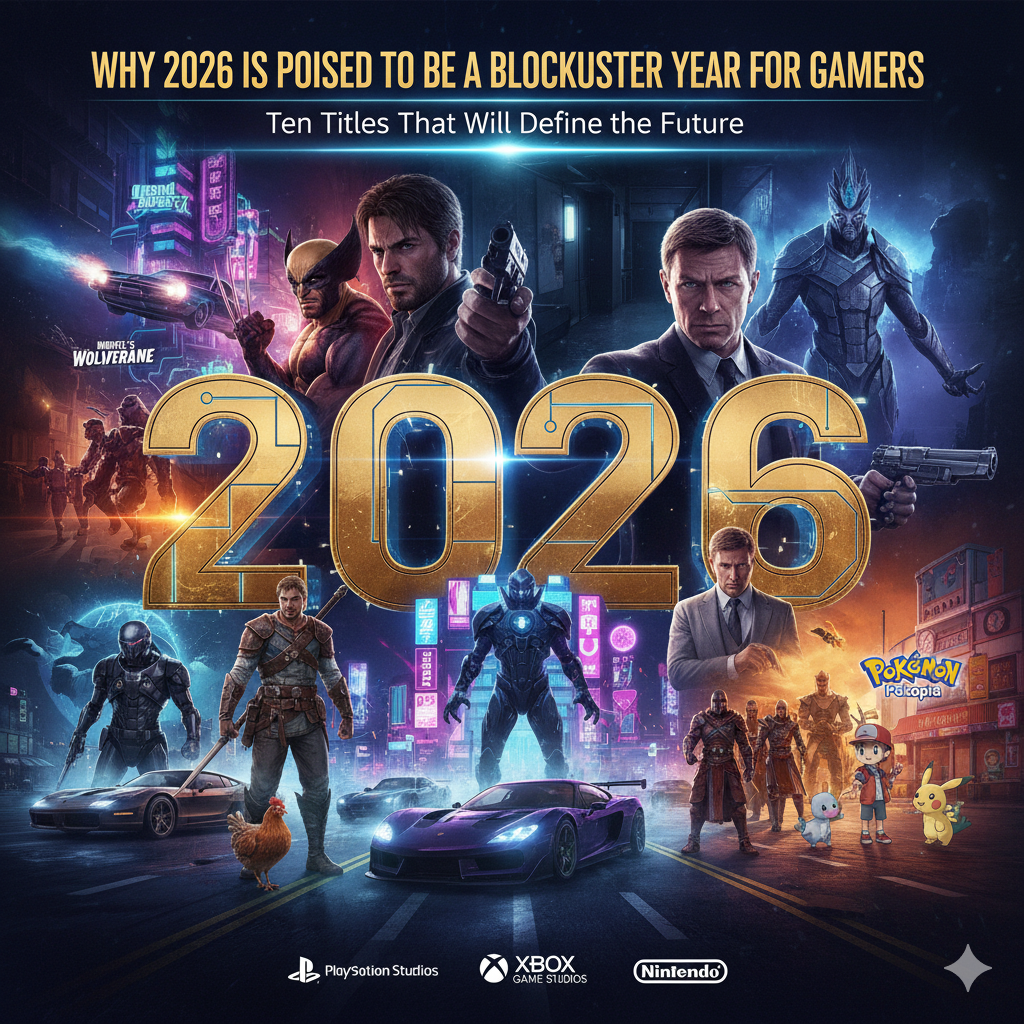


Handheld Gaming Changed My Life Forever YouTube . Why 2026 Is Poised To Be A Blockbuster Year For Gamers Game Critix Gemini Generated Image . Mobile Gaming In South Asia What Will Change In 2026 Pure Magazine Mobile Gaming In South Asia What Will Change In 2026 . Life As A Gamer In 2026 What To Expect TikTok Img. Power Of Gaming Life Lessons Learned Og
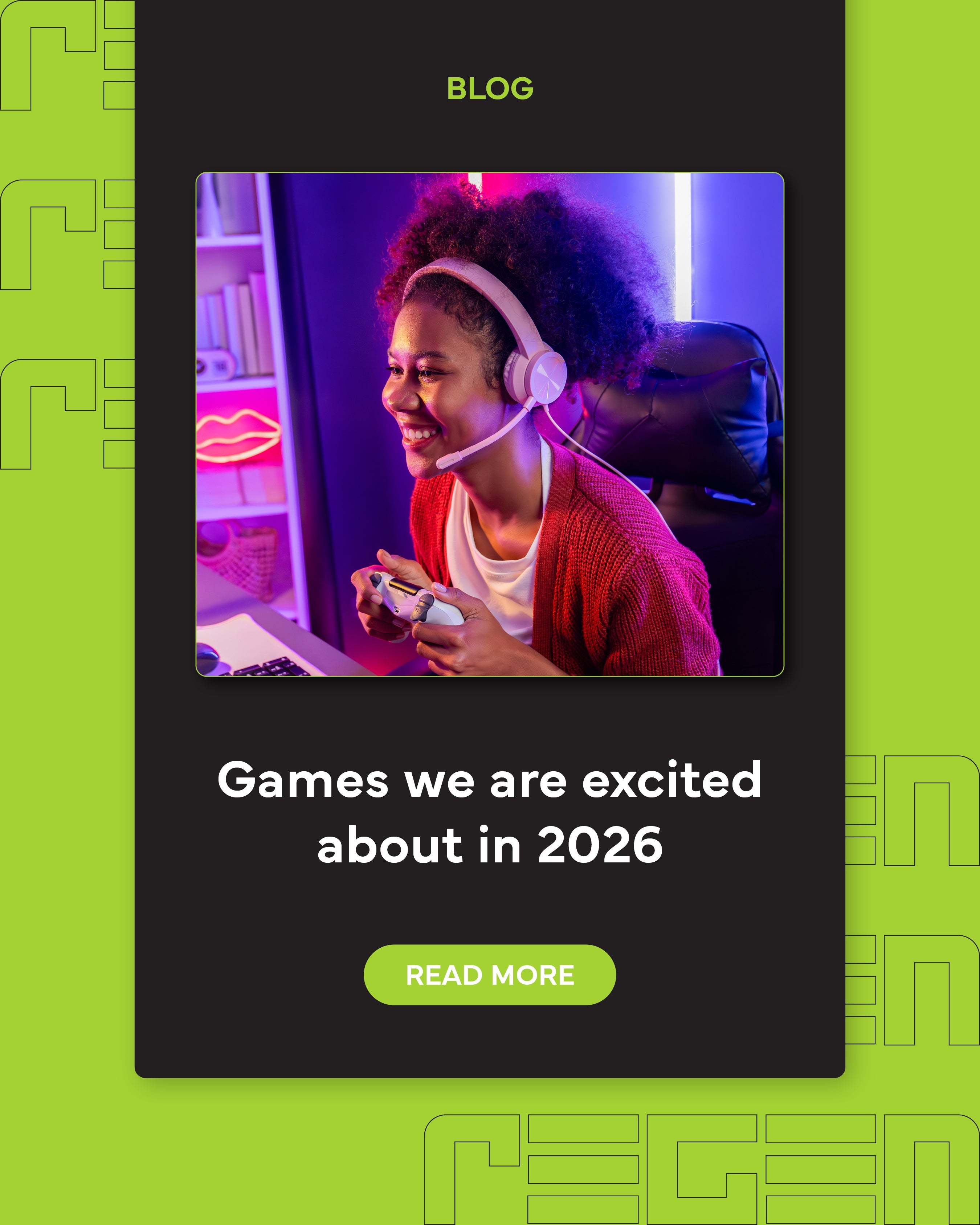



The Psychology Of Tilt Managing Stress And Emotions While Gaming Regen 078 WC REGEN Blogs 1080x1350 2 . Topbos77 Gaming Trends In 2026 The Hottest Moves In Gaming Right Now Hq720 2026 01 . Jljl2 App Innovative Trends In Online Gaming For 2026 Gaming Innovations 2026 . My 2026 Gaming Predictions YouTube . How Gaming Changed My Life Forever YouTube Change My Life Game
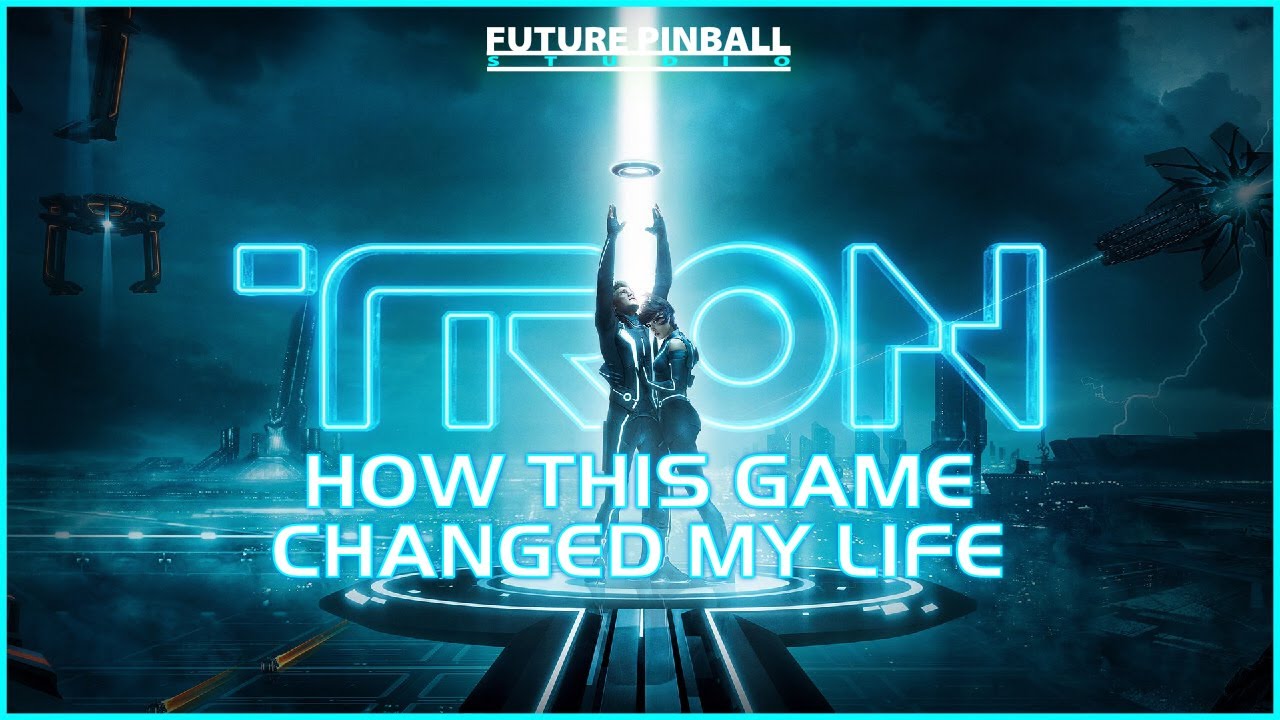


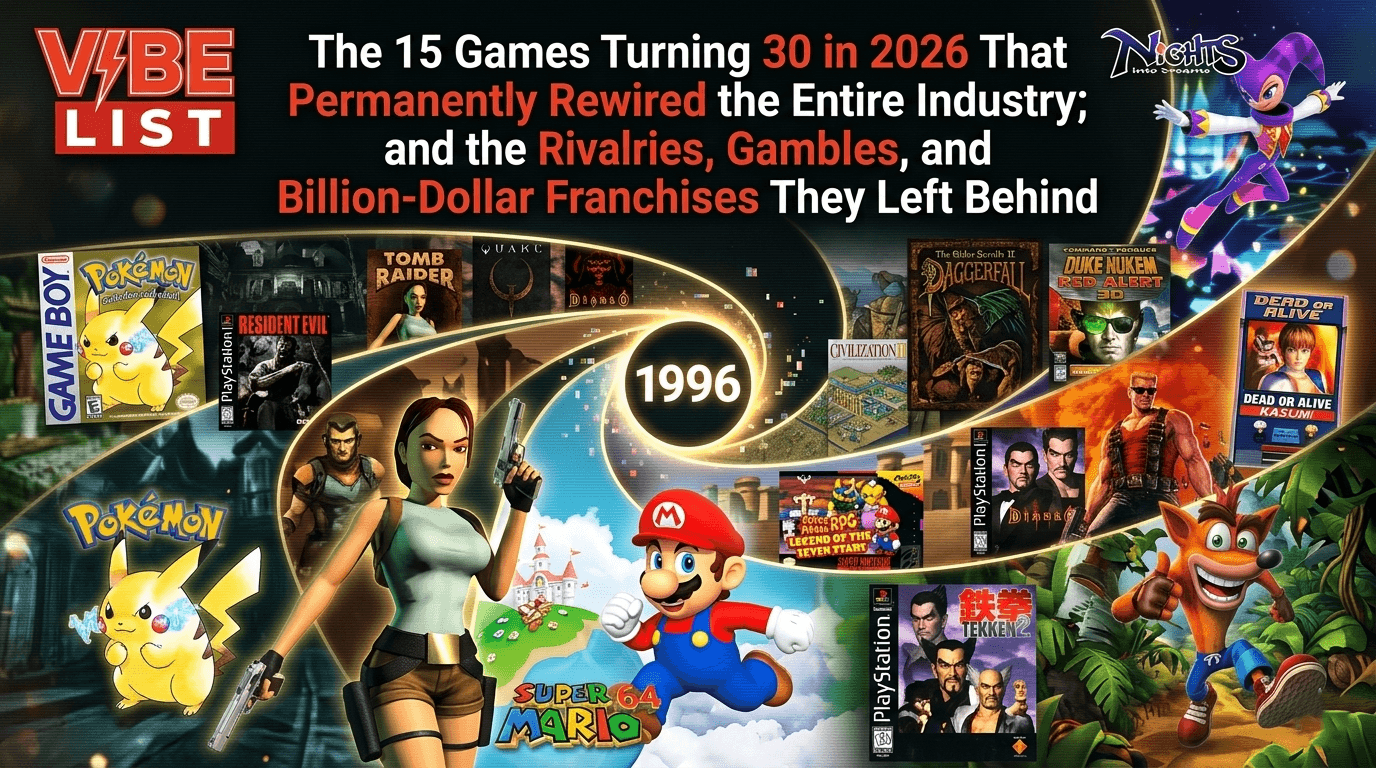

TRON Legacy Original A Game That Changed My Life YouTube . The Gaming Trends Shaping 2026 Predicted By Game Devs. That Thrifting Show TV Series 2026 IMDb V1 QL75 UY207 . 15 Games Turning 30 In 2026 That Changed Gaming Forever Vibe List The 15 Games Turning 30 In 2026 That Permanently Rewired The Entire Industry And The Rivalries Gambles And Billion Dollar Franchises They Left Behind . Gaming In 2026 What S In Store In The Post RMG Era FTR 100 6


Epic Gaming Moments That Changed My Life YouTube . Gaming News Today 2026 Predictions And Most Anticipated Games YouTube . Top 15 Upcoming Games Of 2026 Single Player Mod Guide The 2026 Gaming Roadmap15 Single Player Titans You Must Play And Mod