Are you wondering if a mid tower PC case is the right choice for your gaming setup? Navigating the vast world of PC hardware can feel like a boss battle in itself, especially when you are balancing a busy life with your passion for gaming. Many gamers, averaging around 36 years old, juggle careers, families, and personal commitments, making efficient and smart hardware decisions crucial. They seek performance without breaking the bank or taking up too much precious space. This comprehensive guide will cut through the noise, providing clear, actionable insights into whether mid tower cases genuinely deliver the gaming power and flexibility you need. We will explore their advantages in terms of compatibility, cooling, upgrade potential, and cost-effectiveness, addressing common pain points like tight budgets, complex setups, and future-proofing your rig. Discover if a mid tower can truly be the backbone of your next epic gaming adventure, offering that perfect blend of power, practicality, and peace of mind for your valuable downtime. Get ready to optimize your gaming experience without the usual hype, focusing purely on what works best for real gamers like you.
Related games- Guide to Anime Rankings Roblox Groups For Busy Gamers
- Guide How To Get Roblox Cards Free Legitimately 2026
- How to Become a Nurse in Roblox Quick Guide
- Guide to Roblox Classic Sword Mastering Combat Tips
- Guide to Cancelling Roblox Transactions Successfully
Why are mid towers often recommended for gaming PCs?
Mid towers are frequently recommended because they offer the optimal balance for most gamers. They provide enough internal space to comfortably house high-performance components like powerful GPUs and effective cooling solutions, without being excessively large or difficult to manage. This balance ensures excellent thermal performance and upgradeability, making them a versatile and practical choice for a wide range of gaming setups and budgets.
What specific cooling systems can I install in a mid tower for intense gaming?
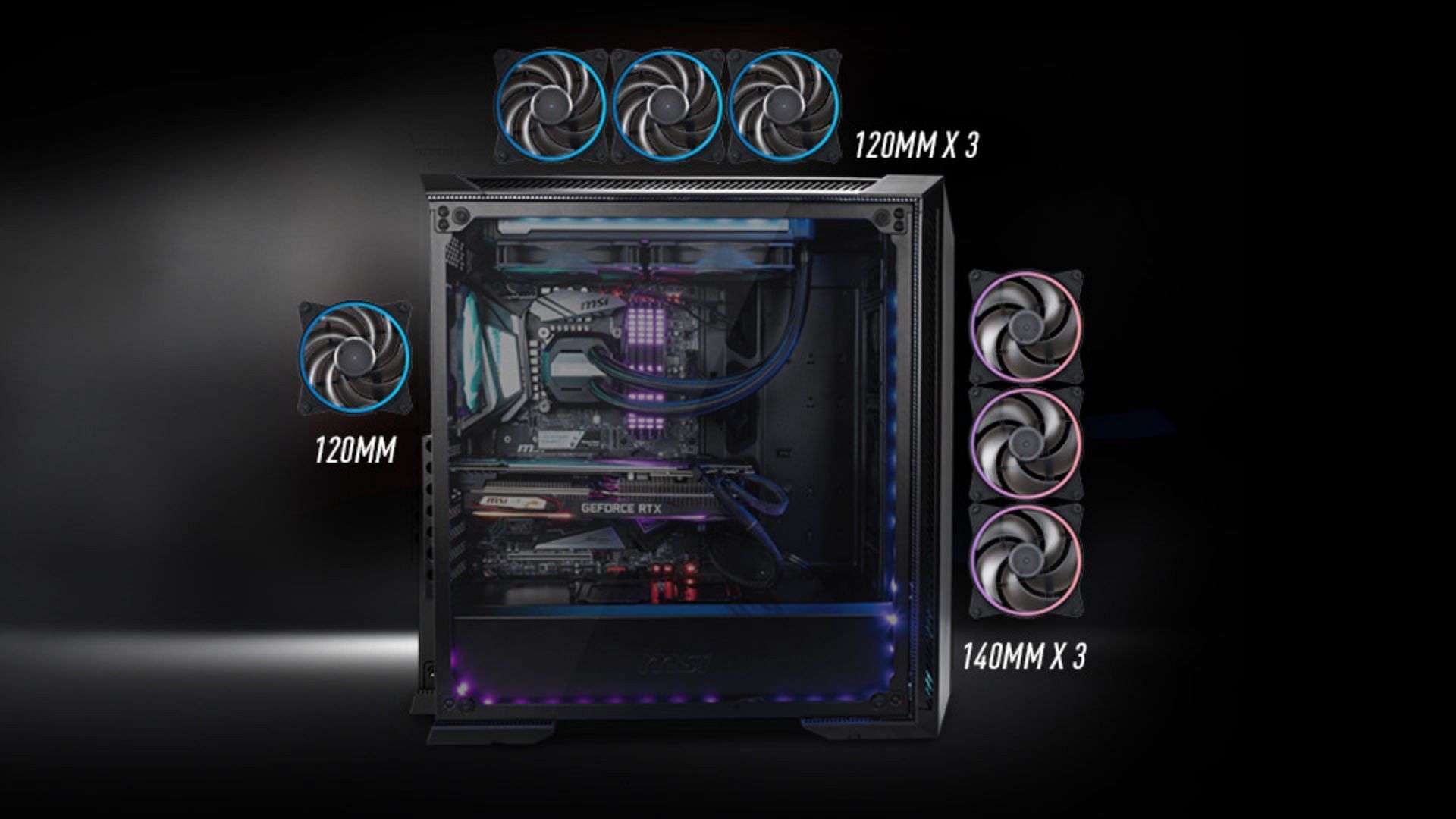
For intense gaming, mid towers can support robust cooling. You can install multiple 120mm or 140mm fans for efficient air circulation, often with three intakes at the front and two exhausts at the top and rear. Many mid towers also accommodate All-in-One (AIO) liquid CPU coolers with radiators up to 360mm, mountable at the front or top, ensuring your CPU stays cool even during demanding sessions or while streaming.
How does a mid tower case affect component longevity?
A well-ventilated mid tower case positively impacts component longevity by ensuring efficient heat dissipation. When components like your CPU and GPU operate within optimal temperature ranges, they experience less stress and wear over time. Good airflow prevents thermal throttling and overheating, which can shorten the lifespan of hardware, meaning your gaming rig can perform reliably for longer periods.
Can I build a custom water cooling loop in a mid tower?
While challenging due to space constraints, it is often possible to build a basic custom water cooling loop in larger mid towers, especially those designed with more internal volume. However, full towers typically offer more dedicated space and mounting points for reservoirs, pumps, and larger radiators, making custom loops significantly easier and more elaborate in those cases. For most users, AIO liquid coolers in a mid tower provide excellent performance with less complexity.
Are mid towers compatible with all types of gaming motherboards?
Mid towers are primarily designed for ATX motherboards, which are the most common standard for gaming PCs. They are also compatible with smaller Micro-ATX and Mini-ITX boards. However, they are generally not compatible with larger E-ATX (Extended ATX) motherboards, which typically require a full tower case due to their increased width and additional features. Always verify the specific motherboard compatibility of your chosen mid tower.
How important is cable management in a mid tower for gaming?
Cable management is very important in a mid tower gaming PC. Good cable management improves internal airflow by preventing obstructions, which helps keep components cooler and enhances performance stability. It also makes future upgrades or troubleshooting much easier, and significantly contributes to a cleaner, more aesthetically pleasing build, especially if your case has a tempered glass side panel to show off your components.
What are the best brands for mid tower gaming cases in 2026?
In 2026, some of the top brands renowned for excellent mid tower gaming cases include Corsair, Lian Li, NZXT, Fractal Design, Cooler Master, and Phanteks. These manufacturers consistently offer cases with superior airflow, robust build quality, thoughtful features for builders, and appealing aesthetics. Each brand has diverse models catering to different budgets and preferences, so researching specific models within these brands is recommended for current market offerings.
Ever felt the frustration of a lagging game or the dread of an upcoming hardware upgrade that feels like a huge undertaking? For many US gamers, particularly those balancing demanding careers and family life, optimizing their gaming setup without sacrificing precious time or budget is a constant quest. We know the feeling. You want to dive into a new release, connect with friends on Discord, or just unwind with a favorite title after a long day, but the thought of complicated PC builds or oversized rigs can be daunting. With 87% of US gamers regularly dedicating 10+ hours a week to their passion, and social gaming trends continuously rising, having a reliable, high-performing, and manageable system is more important than ever. This brings us to a crucial question many of you are asking right now: are mid towers good for gaming?
The short answer is a resounding yes for most players. Mid tower cases strike a fantastic balance, offering ample space for powerful components, efficient cooling, and future upgrades, all without dominating your desk space or your wallet. This article is your ultimate guide, designed to cut through the jargon and provide clear, practical advice. We will explore everything you need to know about mid tower gaming PCs, from performance capabilities and cooling solutions to upgrade pathways and budget considerations. Our goal is to empower you to make an informed decision, ensuring your next gaming rig helps you relax, have fun, and even build skills, without adding to life's complexities. Let's dive in and demystify the mid tower, so you can focus on what truly matters: epic gaming experiences.
Are Mid Towers Good for Gaming Performance?
Yes, absolutely. Mid tower cases are excellent for gaming performance as they comfortably house high-end processors and graphics cards, which are the primary drivers of in-game frame rates and visual fidelity. Their size allows for standard ATX motherboards, crucial for system stability and expandability, ensuring your components operate at peak efficiency. Many modern gaming systems, even those running the latest AAA titles at high resolutions, utilize mid tower chassis due to their optimal blend of size and capability. This month's data shows that PCs continue to be a dominant platform for serious gamers, and mid towers are at the heart of many of these setups.
Gamers often worry if a smaller case might bottleneck performance, but with mid towers, this is rarely an issue. You can install top-tier GPUs like the RTX 4080 Super or RX 7900 XT and powerful CPUs such as the Intel i9 or AMD Ryzen 9 without thermal throttling concerns, provided you pair them with appropriate cooling. This means fluid gameplay, responsive controls, and immersive graphics, allowing you to fully enjoy your favorite esports titles, open-world adventures, or cozy co-op experiences with friends on Discord.
What are the Advantages of a Mid Tower Case for Gamers?
Mid tower cases offer several compelling advantages that make them a go-to choice for the majority of gamers balancing performance, practicality, and budget.
- Component Compatibility: They support a wide range of hardware, including ATX, Micro-ATX, and Mini-ITX motherboards, multiple large graphics cards, and various CPU coolers (air and liquid).
- Balanced Size: Not too big, not too small. Mid towers fit comfortably on most desks without feeling cramped or imposing, unlike full towers.
- Excellent Airflow Potential: Ample space for fans and radiators ensures efficient heat dissipation, critical for maintaining component longevity and performance during long gaming sessions.
- Upgrade Flexibility: Enough room for additional storage drives, RAM, and even a second GPU (though less common now), making future upgrades straightforward and less costly.
- Aesthetics and Customization: Many mid towers offer stylish designs, tempered glass panels, and RGB lighting options, allowing gamers to personalize their battle station to match their personality and create an inviting space for relaxation.
- Cost-Effectiveness: Generally, mid tower cases offer the best value, providing premium features and build quality at a more accessible price point compared to specialized compact or oversized cases.
These advantages cater directly to the needs of the average gamer, who values performance and reliability alongside a practical, unobtrusive setup.
Can High-End Components Fit in a Mid Tower PC?
Absolutely, high-end components are precisely what many mid tower cases are designed to accommodate. Modern mid towers are engineered with smart layouts to fit the largest graphics cards, such as NVIDIA's GeForce RTX 4090 or AMD's Radeon RX 7900 XTX, which are often the longest components in a gaming PC. Manufacturers specify maximum GPU length, CPU cooler height, and PSU length, so always check these dimensions against your chosen case. This ensures you can build a beast of a machine capable of running any game thrown at it, whether it is a graphically intensive VR title or the latest competitive FPS, without worrying about physical fitment.
Beyond GPUs, mid towers easily handle large CPU air coolers, which are often more budget-friendly and reliable than liquid coolers for many users. They also provide sufficient space for multiple storage drives (SSDs and HDDs), allowing for vast game libraries. The key is to select a mid tower that explicitly states compatibility with the specific dimensions of your desired high-performance parts. This careful selection empowers you to build a powerful rig that keeps you immersed in your favorite games and social experiences with friends.
How Does Cooling Work in a Mid Tower Gaming PC?
Cooling is a critical aspect of any gaming PC, and mid towers excel in providing effective thermal management. Their internal volume strikes an ideal balance, offering enough space for robust airflow without becoming a massive, empty box. Most mid towers support multiple intake and exhaust fans (typically 120mm or 140mm) positioned at the front, top, and rear, creating a clear path for air movement. This strategic placement ensures that hot air generated by components like the CPU and GPU is efficiently expelled, preventing thermal throttling and maintaining peak performance during intense gaming sessions.
Additionally, many mid towers accommodate liquid cooling solutions, including 240mm, 280mm, or even 360mm All-in-One (AIO) CPU coolers, which can be mounted at the front or top of the case. They also feature good cable management options, allowing builders to route cables neatly behind the motherboard tray. This not only improves aesthetics but, more importantly, prevents cables from obstructing airflow, further enhancing cooling efficiency. Effective cooling means less noise, longer component lifespan, and consistent performance, letting you focus on skill-building in your favorite esports or relaxing in a cozy game without worrying about your PC overheating.
Is a Mid Tower Case Future-Proof for Upgrades?
While no PC case is truly "future-proof" indefinitely, mid towers offer excellent longevity and upgrade potential, making them a smart investment for gamers. Their generous internal dimensions and support for standard ATX components mean you can typically upgrade your CPU, GPU, RAM, storage, and even cooling solutions for many years without needing a new case. This is crucial for gamers who plan to refresh their hardware every few years to keep up with evolving game requirements without a complete system overhaul. For instance, if a new generation of GPUs requires more power or a slightly different form factor, a well-chosen mid tower often provides the necessary wiggle room.
The ability to swap out components allows you to incrementally improve your system's performance, saving money in the long run. Instead of buying an entirely new pre-built PC, you can upgrade specific parts as your budget allows, keeping pace with current trends like higher refresh rate monitors or the demands of upcoming VR titles. This modularity is a significant advantage for budget-conscious gamers or those who simply enjoy the process of tweaking their setup to achieve optimal performance and value for money.
What are the Disadvantages of Choosing a Mid Tower?
While mid towers are highly versatile, they do have a few minor drawbacks compared to other case sizes.
- Not the Smallest: If desk space is extremely limited or you need a highly portable system for LAN parties, a mini-ITX or small form factor (SFF) case might be more appealing. Mid towers, while not huge, are definitely not "tiny."
- Less Extreme Expandability: Compared to full towers, mid towers typically offer fewer 3.5-inch drive bays (for traditional hard drives) and potentially fewer PCI-E slots, although for most single-GPU gaming setups, this is rarely an issue. Full towers might also support dual CPU setups or more elaborate custom liquid cooling loops, which are niche applications.
- Less "Showpiece" Potential (sometimes): While many mid towers are stunning, some enthusiasts might prefer the sheer scale and internal real estate of a full tower to showcase elaborate custom water cooling or multiple aesthetic elements, making their PC a true centerpiece. However, this is largely subjective and often comes at a higher price point and desk footprint.
For the average gamer, these disadvantages are minor and often outweighed by the practical benefits and balanced design of a mid tower case. The compromises are usually in areas that don't significantly impact the core gaming experience.
How Does Mid Tower Size Compare to Full or Mini Towers?
Understanding the size differences helps in choosing the right case for your specific needs and desk setup.
- Mini Towers / SFF (Small Form Factor): These are the smallest, designed for compact builds. They typically support Mini-ITX motherboards and sometimes Micro-ATX. While incredibly space-efficient and great for minimalist setups or portability, they can be challenging to build in, offer limited cooling options, and may restrict GPU size. They're popular for living room PCs or ultra-compact gaming rigs.
- Mid Towers: The sweet spot. These cases primarily support ATX motherboards, along with Micro-ATX and Mini-ITX. They offer the best balance of internal space for components, cooling, cable management, and overall footprint. They are suitable for nearly all gaming configurations, from budget builds to high-end powerhouses.
- Full Towers: The largest category. Full towers support E-ATX (Extended ATX) motherboards, offering maximum expandability with numerous drive bays, extensive room for custom liquid cooling loops, and multiple long GPUs. They are ideal for extreme enthusiasts, workstation builds, or servers, but they come with a significant desk footprint, higher cost, and are often overkill for a dedicated gaming PC.
For the vast majority of US gamers balancing life and play, a mid tower provides all the necessary functionality without the excessive bulk or design compromises of the extremes.
What Should Gamers Look for in a Mid Tower Case?
When selecting a mid tower for your gaming PC, several key features contribute to a better building and gaming experience.
- Component Clearance: Crucially, check the maximum GPU length, CPU cooler height, and PSU length. Ensure your chosen case can physically accommodate your core components with some breathing room.
- Airflow and Fan Support: Look for cases with mesh front panels or ample ventilation for good airflow. Confirm it supports enough fans (e.g., three front, two top, one rear) and potentially radiator sizes (240mm/360mm for AIOs).
- Cable Management: Features like routing channels, Velcro straps, and ample space behind the motherboard tray simplify cable management, improving aesthetics and airflow.
- Dust Filters: Removable dust filters on intake vents are essential for keeping your components clean and maintaining cooling efficiency, especially if your PC is on the floor.
- Front I/O Ports: Convenient access to USB 3.0/3.1/Type-C ports, headphone/mic jacks, and power/reset buttons on the top or front panel.
- Build Quality and Aesthetics: Consider the materials (steel, tempered glass) and overall design. Do you prefer a stealthy look or something with RGB flair to match your gaming den?
Prioritizing these aspects will help you pick a mid tower that not only performs well but also enhances your overall gaming setup and experience.
Are Mid Towers Good for Budget-Conscious Gamers?
Yes, mid towers are exceptionally good for budget-conscious gamers, offering an excellent price-to-performance ratio. There is a vast selection of mid tower cases available across all price points, from entry-level options that provide solid basics to premium models with advanced features. You can find robust, well-ventilated mid towers for under 100, which is a significant saving compared to specialized small form factor cases or oversized full towers that often carry a premium price tag for their niche features.
The ubiquity and standardization of mid towers also mean that component compatibility is broader, potentially leading to more competitive pricing on other parts like motherboards and coolers. Furthermore, the ease of building and upgrading in a mid tower can reduce the need for professional assembly services, further saving money. For the gamer who values smart spending and wants to get the most bang for their buck, investing in a quality mid tower allows them to allocate more of their budget towards the CPU and GPU, which are the real powerhouses for gaming performance. This approach aligns perfectly with staying current without hype and optimizing for value.
How do Mid Towers Impact Gaming Aesthetics and Setup?
Mid towers significantly impact both the aesthetics and practicality of your gaming setup. Aesthetically, they strike a balance between presence and integration. They are substantial enough to make a statement with features like tempered glass panels showcasing your RGB-lit components, but not so large that they overwhelm your desk or room. This allows for a clean, modern look that can elevate your gaming space. Many mid towers come in various colors and styles, from minimalist black boxes to vibrant, custom-painted builds, letting you express your personal style.
From a practical standpoint, their size makes them easier to manage. They are lighter than full towers, simpler to move for cleaning or rearrangement, and generally have better cable management options than smaller cases. This contributes to a tidier setup, which for busy gamers, means less visual clutter and more focus on the game. A well-organized mid tower setup can enhance the overall gaming environment, turning your space into a true sanctuary for relaxation and fun, whether you are streaming, creating content, or just enjoying a quiet single-player session.
What are some current gaming trends that favor Mid Towers?
Several current gaming trends in 2026 continue to highlight the suitability of mid tower cases for US gamers.
- High-Fidelity AAA Games: New titles consistently push graphical boundaries, requiring powerful GPUs and efficient cooling, which mid towers provide ample space for.
- Esports and Competitive Play: Gamers seeking high frame rates and low latency for competitive titles like Valorant or Warzone need reliable, cool-running hardware. Mid towers ensure consistent performance.
- Social Gaming and Streaming: With the rise of social platforms and streaming, many gamers want systems capable of both playing and broadcasting. Mid towers support the necessary powerful components for multitasking, often accommodating capture cards and multiple drives for game footage.
- VR Gaming's Continued Evolution: As VR continues to mature with new headsets and more immersive experiences, the graphical demands remain high. Mid towers ensure your PC can handle the horsepower needed for smooth VR gameplay.
- Value for Money: The average gamer still prioritizes value. Mid towers deliver robust performance and upgrade paths without the premium associated with extreme SFF or custom full tower builds, allowing more budget for games or peripherals.
These trends confirm that mid towers remain a central and highly practical choice for the evolving landscape of gaming, catering to the diverse needs of modern players.
So, are mid towers good for gaming? The answer is a definitive yes. For the vast majority of US gamers who value a balance of high performance, practical size, upgrade flexibility, and smart spending, a mid tower case represents the optimal choice. They comfortably house the most powerful components, provide excellent cooling, and offer plenty of room for future upgrades, ensuring your gaming rig stays relevant without constant overhauls. Whether you are building your first serious gaming PC or looking to upgrade an older system, opting for a quality mid tower will provide a solid foundation for countless hours of immersive, stress-free gaming.
Remember, the goal is to enhance your gaming experience, not complicate it. A well-chosen mid tower lets you focus on skill-building, social connections, and pure enjoyment. It is about optimizing your downtime and getting the best value for your hard-earned money. What is your biggest gaming challenge when it comes to hardware? Or what specific mid tower features are most important to you? Comment below and share your thoughts!
What size motherboard fits in a mid tower?
Most mid tower cases support standard ATX motherboards, along with smaller Micro-ATX and Mini-ITX motherboards. This broad compatibility offers flexibility for various builds.
Are mid towers easy to build in?
Yes, mid towers are generally considered the easiest case size to build in due to their ample internal space for components and cable management, making them ideal for both new and experienced PC builders.
Can a mid tower support liquid cooling?
Absolutely. Most mid towers are designed to support All-in-One (AIO) liquid coolers, typically with radiator sizes of 240mm, 280mm, or 360mm, mountable at the front or top of the case for efficient CPU cooling.
Do mid towers offer good airflow for gaming?
Yes, a well-designed mid tower case offers excellent airflow. They typically have multiple fan mounts and strategic ventilation to ensure components stay cool under load, preventing thermal throttling.
How much do mid tower gaming cases cost?
Mid tower gaming cases vary widely in price, from budget-friendly options starting around 60-80 USD to premium cases costing 150-200 USD or more, offering a range of features and aesthetics for every budget.
Is a mid tower too big for my desk?
While larger than mini-ITX cases, mid towers are designed to fit comfortably on most standard desks, offering a balance between internal space and external footprint. Always check specific case dimensions against your desk space.
Mid towers offer a balanced blend of size, component compatibility, and airflow, making them highly suitable for most gaming setups. They provide ample space for high-end GPUs, effective cooling solutions, and future upgrades without the bulk of a full tower. Optimal for gamers balancing performance, budget, and space. Excellent for standard ATX motherboards and multiple storage drives. Supports good cable management and diverse cooling options.
35
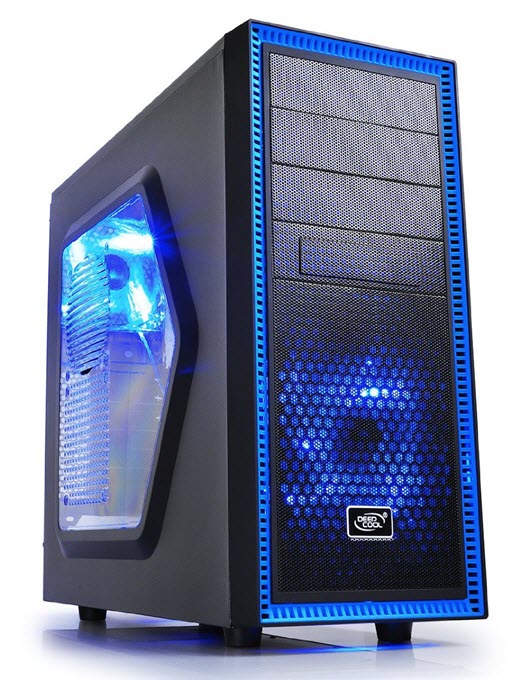
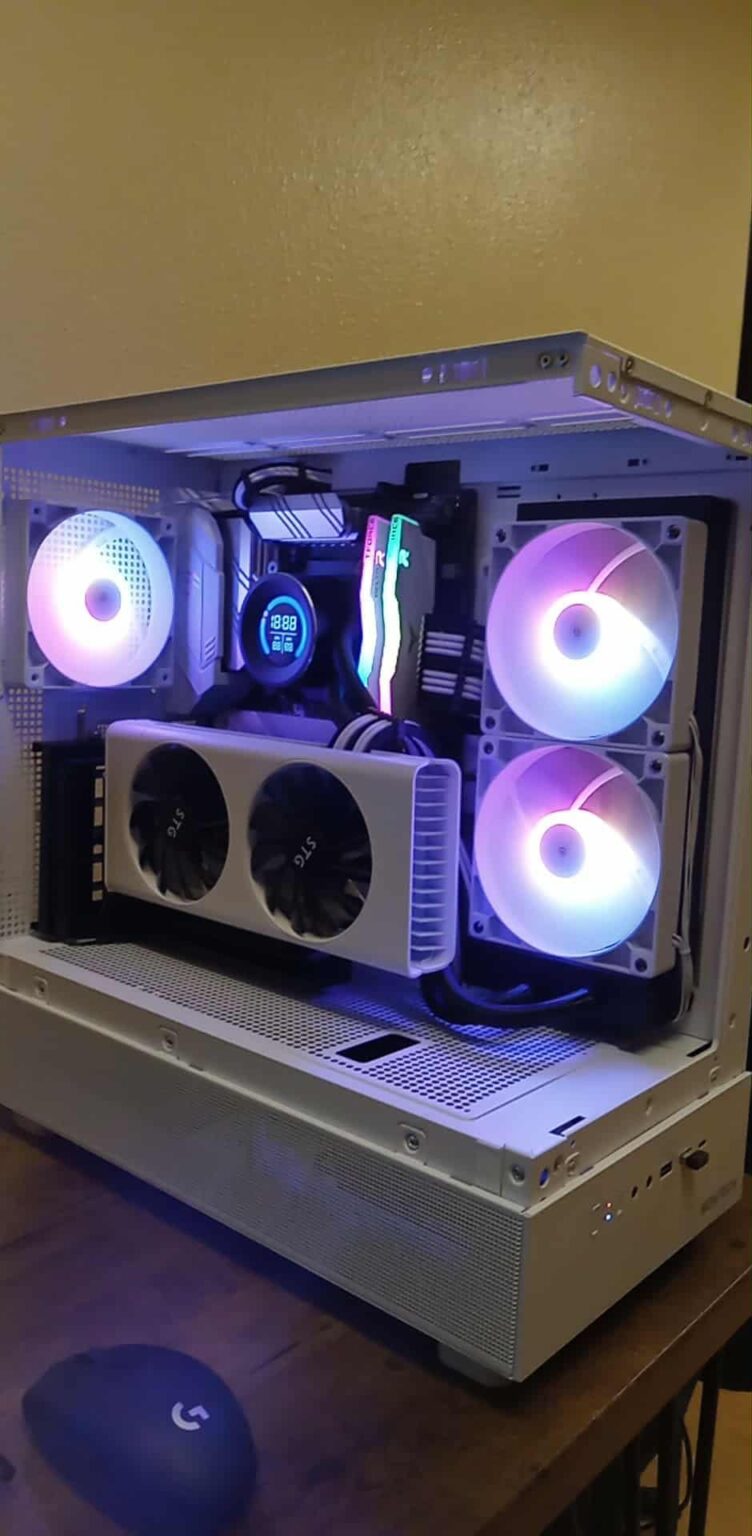

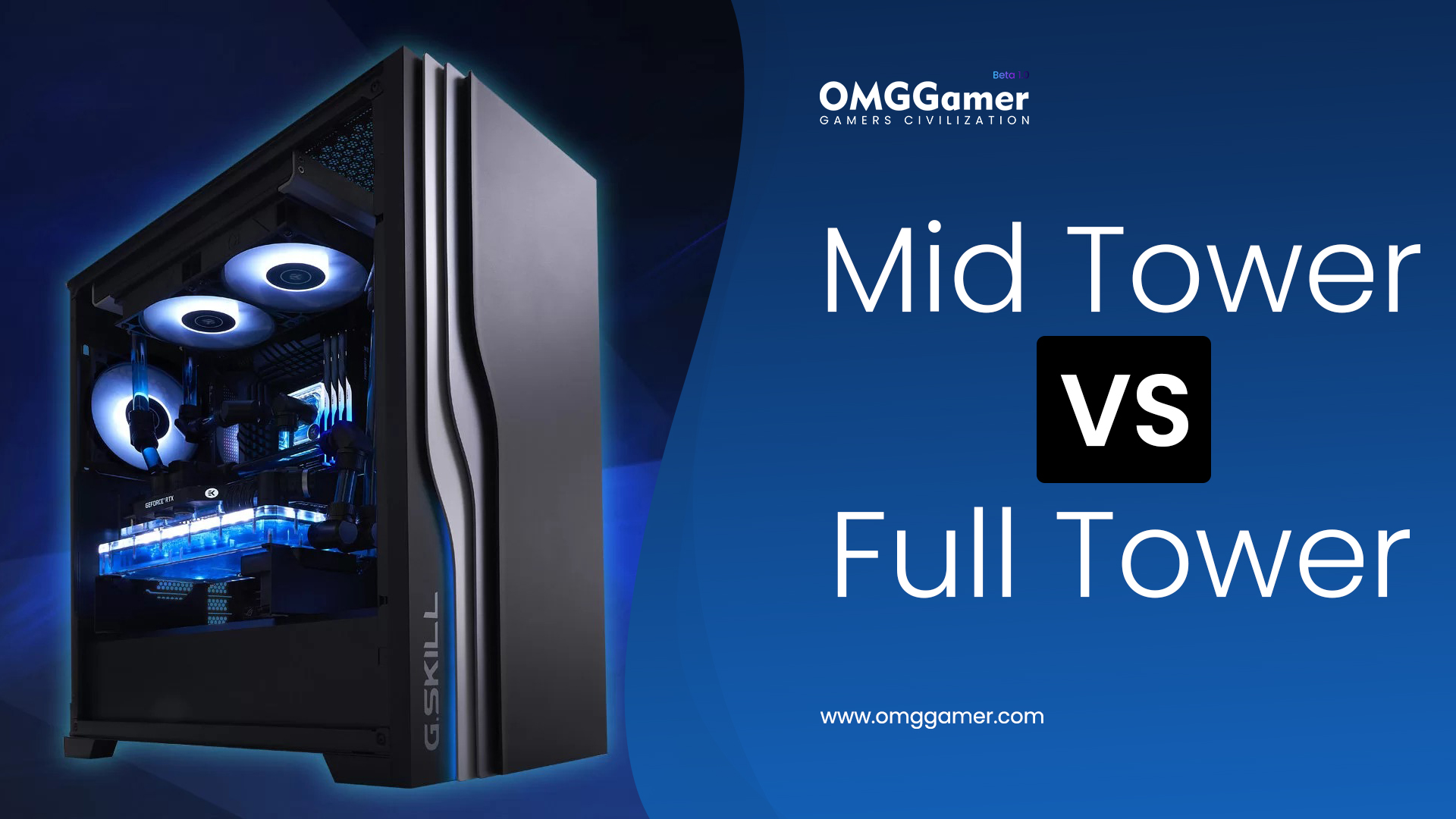
Best SSD For Gaming PC 2026 NVMe Drives F Gaming PC Guru 81a6xDb JVL . Best Mid Tower Case For Gaming PC For Every Budget In 2026 DeepCool TX Mid Tower TESSERACT SW . 12 Best Mid Tower Cases June 2026 Reviewed Tested B0D5PHHCK5 Customer 1 2 752x1536 . Best Prebuilt Gaming PC Best Picks In 2026 Gaming PC Guru 81sBYrNSEFL . Asus TUF Gaming F15 Review Design Price Performance Mid Tower VS Full Tower Good For Gaming PC
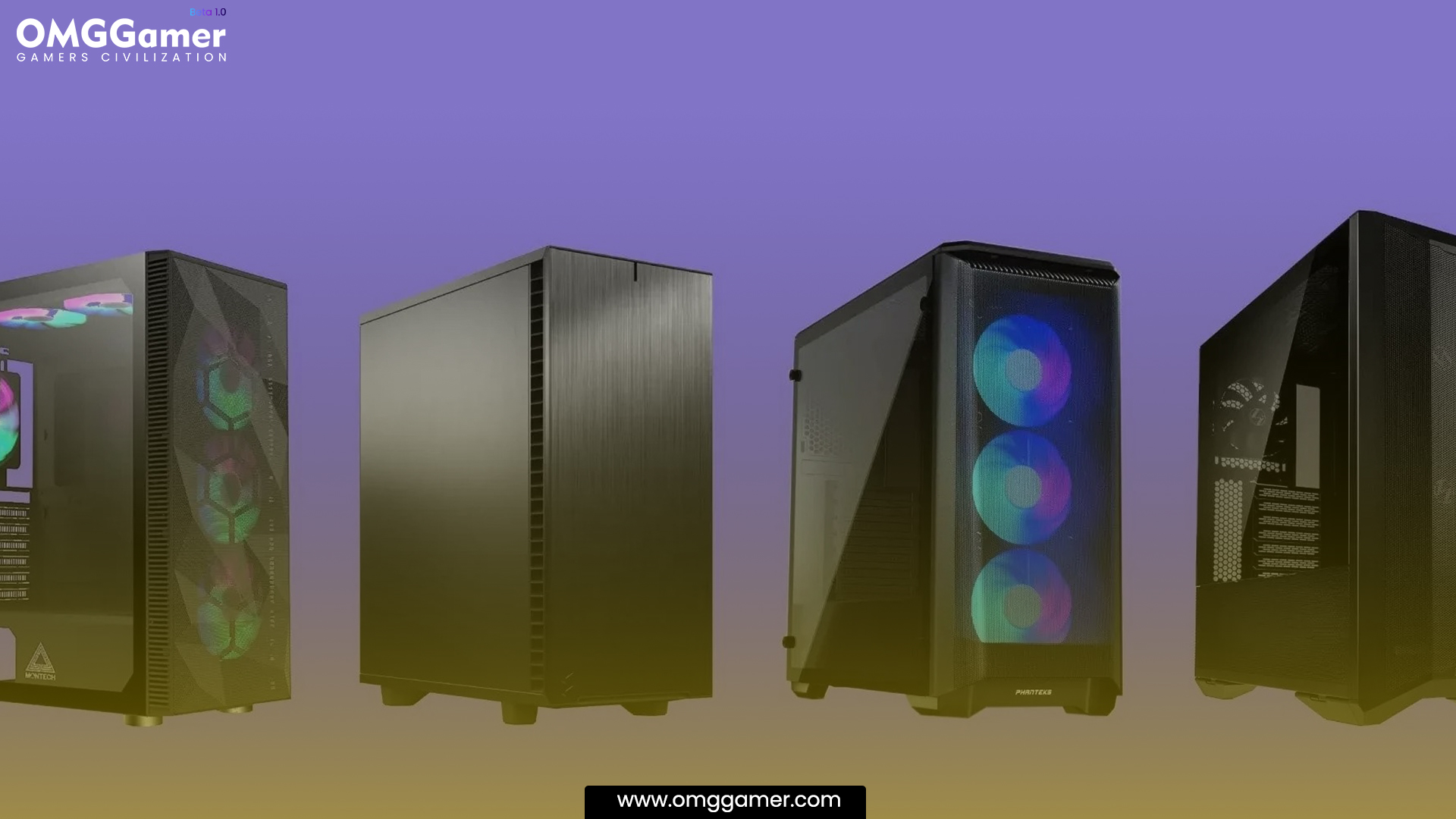
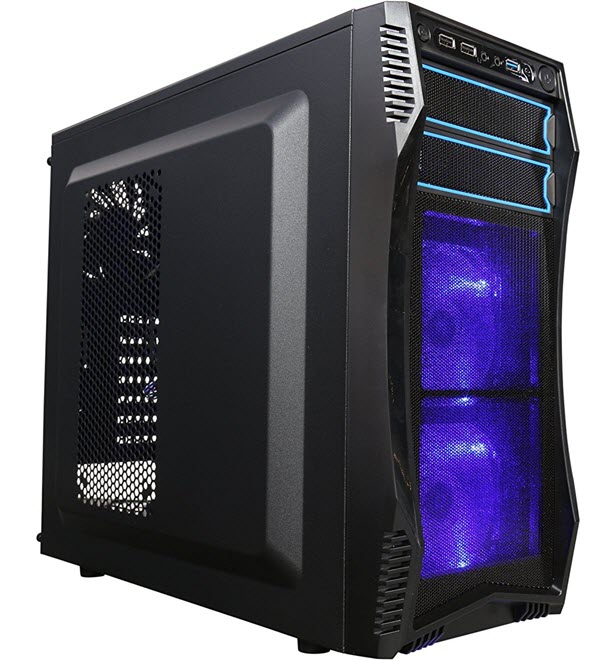
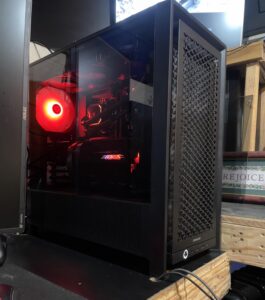
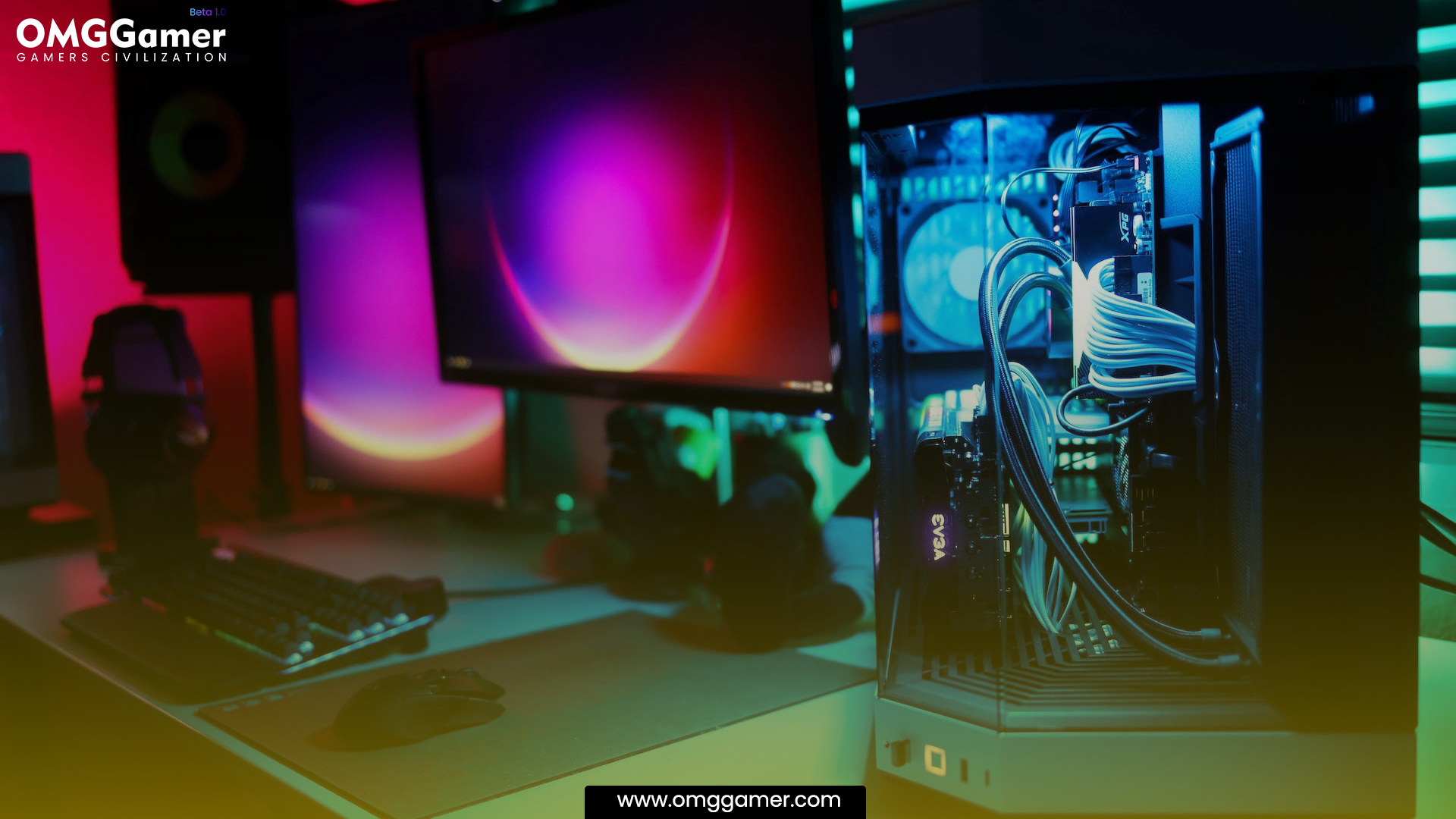
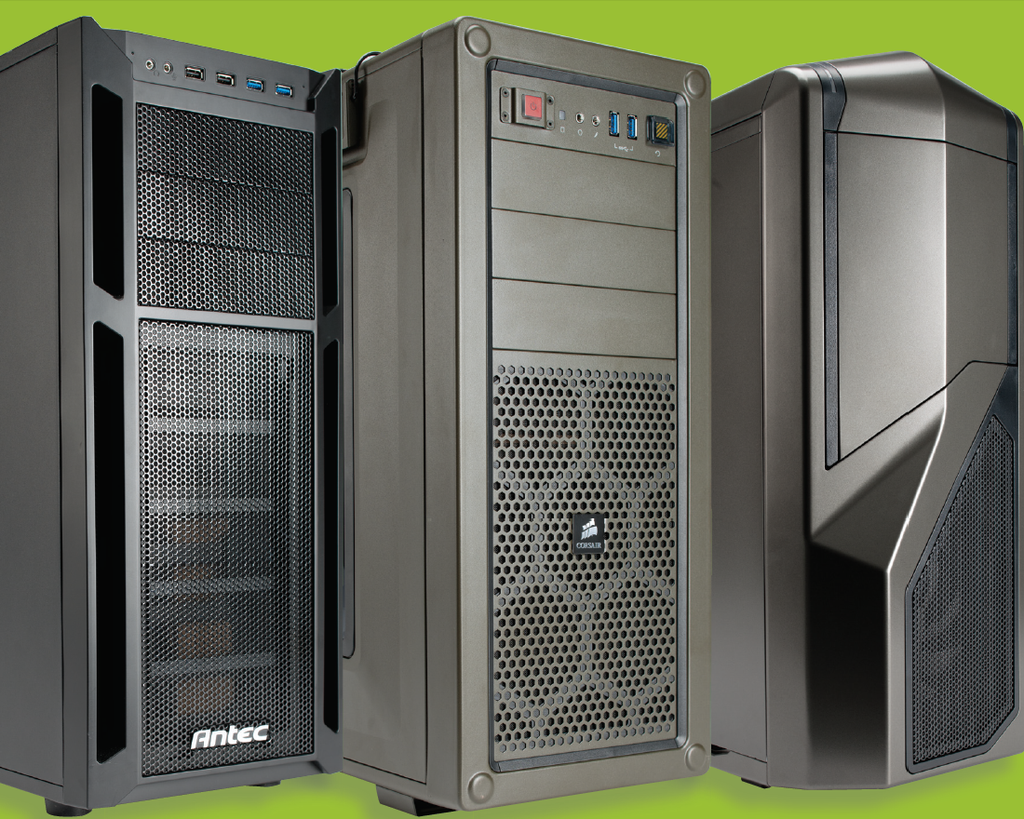
Mid Tower VS Full Tower In 2025 Good For Gaming PC Storage 6 . Best Mid Tower Case For Gaming PC For Every Budget In 2026 Rosewill CHALLENGER S Mid Tower Gaming Case . 12 Best Mid Tower Cases June 2026 Reviewed Tested B0DPJ9K8WK Customer 2 265x300 . Mid Tower VS Full Tower In 2025 Good For Gaming PC Dimensions 1 . Mid Tower Review Roundup PC Gamer 1024 80
12 Best Mid Tower Cases June 2026 Reviewed Tested B0C9H87GPK Customer 2 2 768x1345 . Mid Tower Vs Full Tower Cases Which Is Best For Gaming PCs 3df80 1920 . 5 Best Mid Tower Case For Gaming PC In 2026 EasyPCMod 41pis8Xg3DL . Best Mid Tower Case For Gaming PC For Every Budget In 2026 Apevia X SNIPER2 GN ATX Mid Tower PC Gaming Case . Mid Tower Vs Full Tower Cases Which Is Best For Gaming PCs Fc022 1920


Best Mid Tower Cases 2025 Best Mid Tower Cases 2025 The Jack Of All Trades Banner.webp. Gaming Computer Tower Pod The Ultimate Guide To Elevating Your Gaming Gaming Computer Tower Pod 1.webp. Best Mid Tower Cases 2026 Expert Reviews Buyer S Guide 41 ZIaVZ3BL . Best Gaming PC Builds For 2026 Best Gaming PC Builds For 2026.webp. Best Mid Tower Case For Gaming PC For Every Budget In 2024 Mid Tower Case

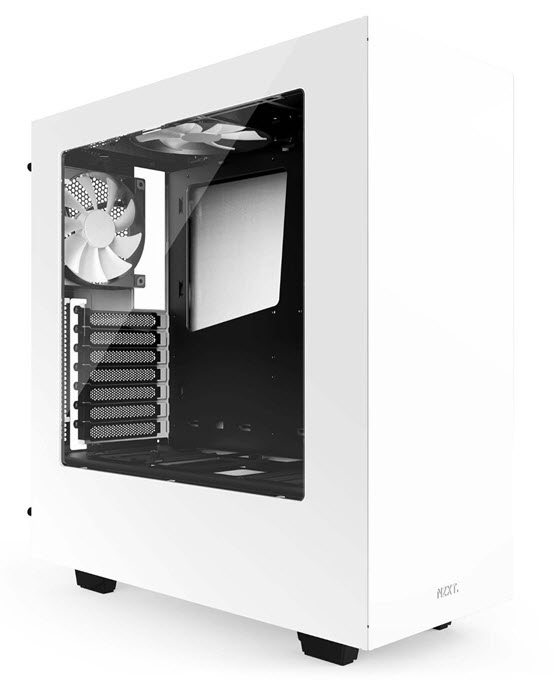

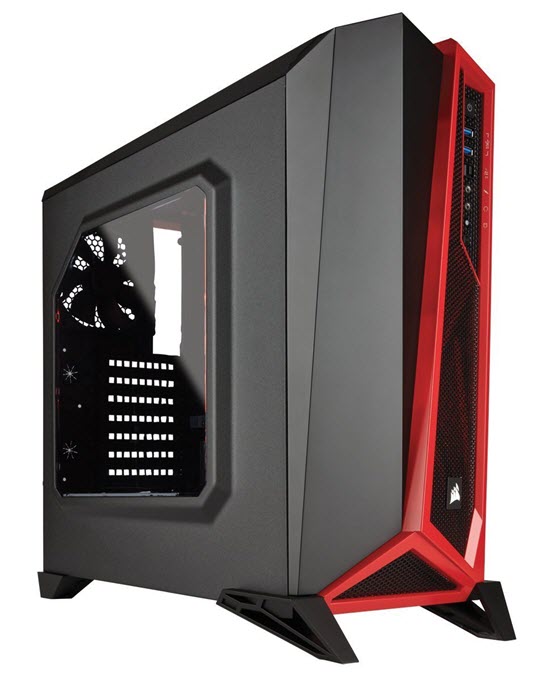
Best PC Cases Of 2026 UK Mid Tower Vs Full Tower 300x300 . Best Processors For Gaming In 2026 For Every Budget Technoid Gaming PC Building A Mid Range Gaming PC In 2026 Specs And Tips.webp. Best Mid Tower Case For Gaming PC For Every Budget In 2026 NZXT S340 Mid Tower Computer Case . The 6 Best Mid Tower Cases In 2022 Voltcave Best Mid Tower Cases . Best Mid Tower Case For Gaming PC For Every Budget In 2026 Corsair Carbide Series SPEC ALPHA Mid Tower Gaming Case


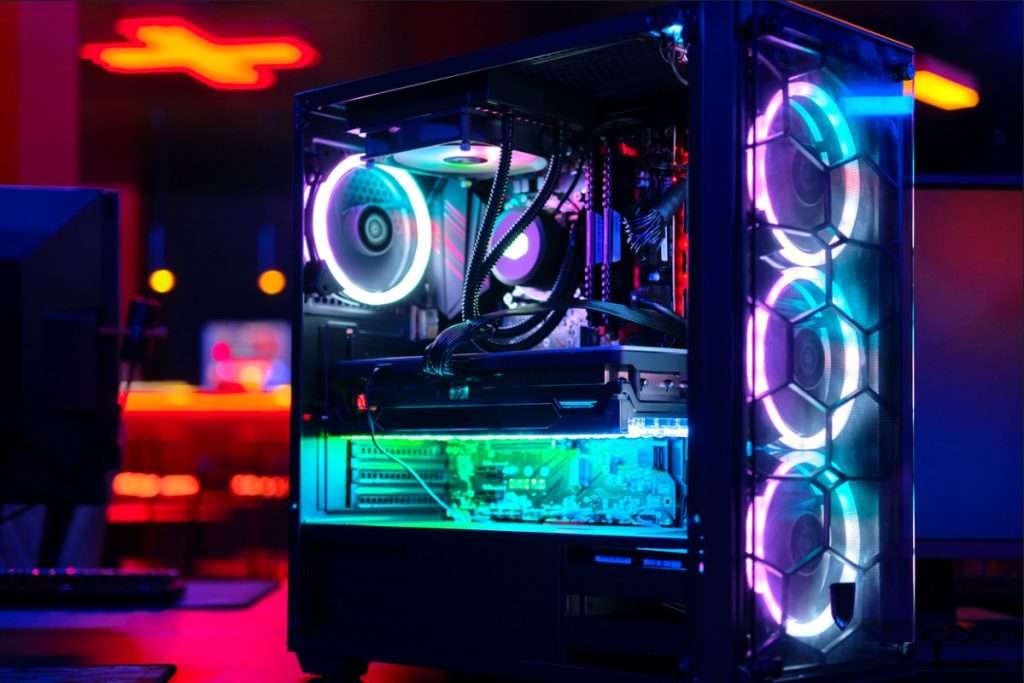

Top 10 Best Mid Tower Gaming PC Cases In 2023 YouTube . 6 Best PC Tower Cases For Gaming Systems In 2024 Best Full Tower Pc . 12 Best Mid Tower Cases June 2026 Reviewed Tested B0DFHNV7TK Customer 1 1 300x226 . Best PC Builds For Gaming 2026 Ultimate Guide To Building Your Dream Best PC Builds For Gaming 2026 1024x683 . The 10 Best Horizontal Atx Case 2026 Review AC SL1500



Top 10 Most Anticipated Games Of 2026 What To Watch Out For TVN GAMES IN 2026 . Amazon Com Phanteks XT Pro Mid Tower Gaming Chassis High Airflow AC . Top 5 Best Mid Tower PC Cases In 2024 Airflow Silence Budget . Amazon Com SSUPD Xhuttle Black ATX Mid Tower Gaming Case With A Dual AC . Mid Tower VS Full Tower In 2025 Good For Gaming PC Weight