Are you a busy gamer looking for your next addiction but unsure what an RTS game is or if it fits your demanding schedule and desire for strategic depth This comprehensive guide dives deep into what defines a Real-Time Strategy game exploring its core mechanics player benefits and how it stands out in todays diverse gaming landscape We will cover everything from unit management and base building to competitive play and the social aspects that keep 87 percent of US gamers regularly engaged for over 10 hours a week Discover popular titles learn how RTS can sharpen your mind and find recommendations that balance epic strategy with your limited free time Understand why RTS games remain a vibrant genre offering skill-building and relaxation without the hype perfectly suited for those balancing work family and a passion for gaming Get ready to master the battlefield and explore a genre that rewards smart thinking and quick decisions
Related games- GTA TLAD Cheats Xbox 360 Guide Master All Codes Now
- Guide Can You Fly Airplanes in GTA 4
- Roblox Blurry Fixes Guide 2026 PC Graphics Solutions
- Guide: How to Use Roblox Tunnel Vision IDs in 2026
What makes a game a "Real-Time Strategy" title?
Real-Time Strategy (RTS) games are defined by their continuous flow of time, demanding players to make decisions and execute actions simultaneously without the typical turn-based waiting periods. Players typically manage resources, construct bases, train units, and command armies on a map to achieve objectives, often involving conquering opponents or completing specific missions. It is a constant juggle of macro-management (economy, base building) and micro-management (individual unit control).
How do I get started with an RTS game if I am new to the genre?
If you are new to RTS, start with a game known for its accessible tutorials and forgiving learning curve. Look for titles that offer strong single-player campaigns to help you grasp core mechanics without the pressure of competitive multiplayer. Focus on understanding resource management, unit counters, and basic build orders. Many modern RTS games also feature excellent in-game guides or community-created beginner resources online, making the initial learning phase much smoother. Do not be afraid to fail and learn from your mistakes.
Why are RTS games still relevant in 2026 with so many new genres emerging?
RTS games remain highly relevant in 2026 because they offer a unique blend of intellectual challenge, strategic depth, and competitive excitement that few other genres can match. They appeal to gamers who enjoy continuous mental engagement and the satisfaction of outthinking an opponent in real time. For many busy adults, RTS games provide a perfect mental escape and skill-building exercise, a rewarding break from daily routines. The genre continues to innovate with new titles and updates to classics, keeping the community vibrant and attracting new players.
Can RTS games be played casually, or are they only for competitive players?
While RTS games are renowned for their competitive esports scene, they absolutely can be enjoyed casually. Many titles offer engaging single-player campaigns with adjustable difficulty settings, allowing players to progress at their own pace and focus on story or base-building without intense pressure. Cooperative modes, where players team up against AI opponents, also provide a relaxed way to enjoy the strategic elements with friends. It all depends on your preferred playstyle and how you choose to engage with the game.
What kind of hardware do I need for a good RTS gaming experience?
For a good RTS gaming experience in 2026, you will want a PC with a decent multi-core processor and at least 16GB of RAM, as these games often involve many units and complex calculations. A dedicated graphics card is beneficial for detailed visuals, though many RTS titles are less graphically demanding than modern AAA action games. A responsive mouse and keyboard are crucial for precise unit control. Modern mobile RTS games are well-optimized for current smartphones, offering a great experience on the go without needing specialized hardware.
How do RTS games foster social interaction and community?
RTS games foster social interaction through various channels. Multiplayer matches, both competitive and cooperative, are a primary driver, encouraging teamwork and communication. Many titles feature active in-game chat systems, guilds, or clans where players can strategize, share tips, and form friendships. Beyond the games themselves, platforms like Discord are bustling with RTS communities, hosting tournaments, streaming content, and general discussion, allowing players to connect and socialize outside of gameplay. Esports also brings communities together to watch and celebrate top players.
What are the best strategies for managing resources effectively in an RTS game?
Effective resource management is crucial in RTS games. The best strategies involve constantly expanding your resource collection (e.g., building more harvesters or mines), researching upgrades to boost efficiency, and balancing your income with your spending on units and structures. Avoid "floating" too many resources; always be building something or investing in your economy or army. Understand the economic breakpoints of your chosen faction or race and prioritize what you need most for your current strategy, whether it is an early aggression or a late-game economic boom.
Hey fellow gamers! Ever find yourself scrolling through endless game libraries, wishing you had more time to dive into something truly engaging, something that challenges your mind and offers a real sense of accomplishment? As busy adults juggling jobs, families, and life's endless demands, finding a game that fits our limited schedule yet provides deep satisfaction is a constant quest. We want fun, relaxation, and perhaps even a little skill-building, without the constant hype or the need for a massive time sink just to understand the basics. If you are curious about what is an RTS game and whether it could be your next go-to, you are in the right place.
Real-Time Strategy (RTS) games have been a cornerstone of PC gaming for decades, evolving dramatically over the years. But what exactly defines them, and why do they continue to captivate millions of players, including 87% of US gamers who regularly dedicate over 10 hours a week to their passion? This guide is designed for you: the gamer who values strategic depth, performance optimization, and value for money. We will break down the genre, offer practical advice, highlight trending titles, and help you navigate common pain points like setup issues or finding games that respect your valuable time. Get ready to discover how RTS games can be a perfect fit for your lifestyle, offering mental stimulation, social connection, and endless strategic possibilities.
What Exactly Is an RTS Game?
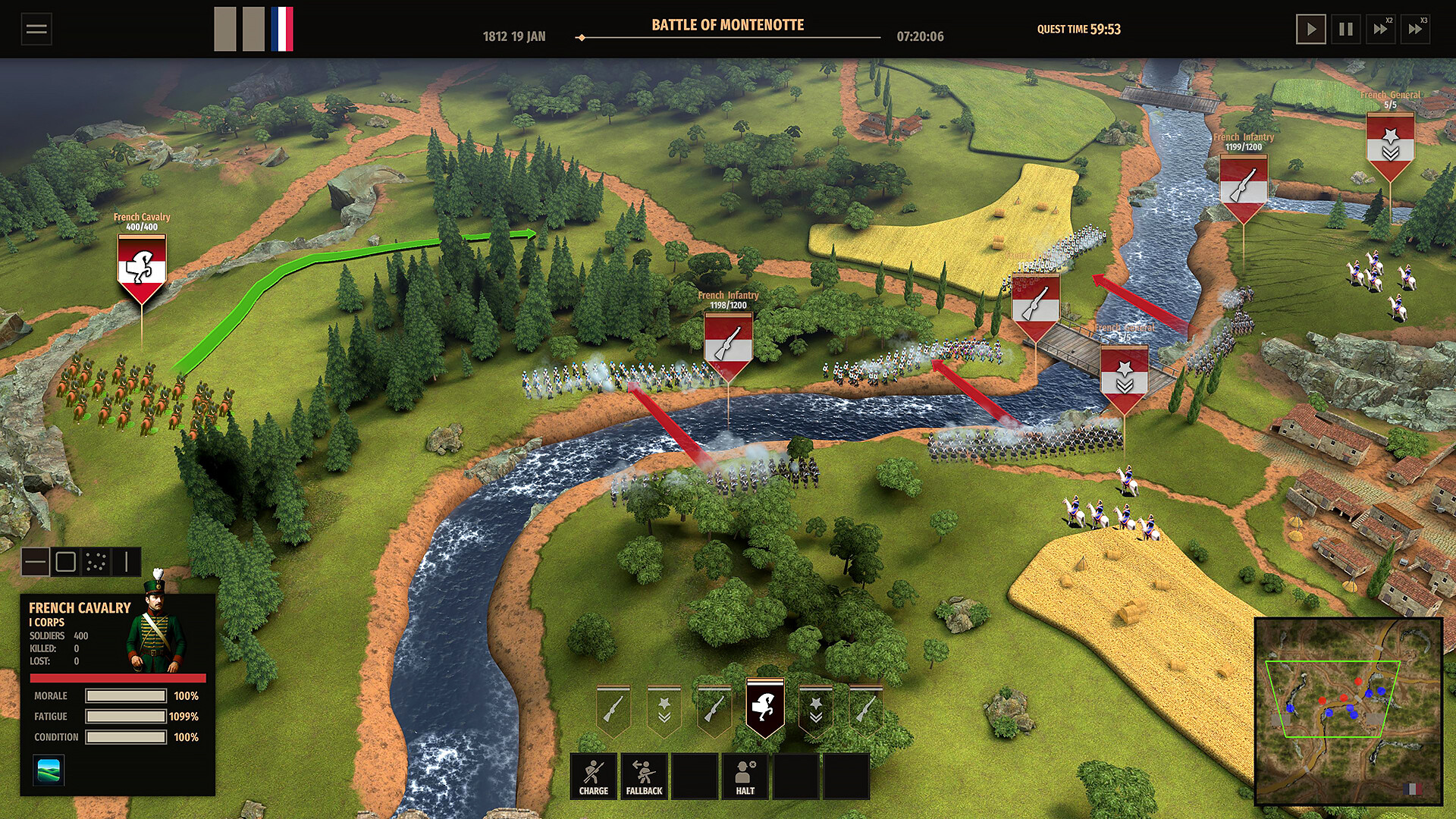
At its core, an RTS game, or Real-Time Strategy game, is a video game genre where players manage resources, build bases, research technologies, train units, and command armies in a continuous flow of time. Unlike turn-based strategy where players take turns performing actions, RTS demands simultaneous decision-making and execution. This means you are constantly reacting, planning, and adapting to a dynamic battlefield where every second counts. Think of it as playing a very intense, high-speed game of chess, but with an economy, base building, and hundreds of units all moving at once.
The genre is defined by this real-time element, which adds a layer of pressure and requires players to develop quick reflexes, excellent multitasking abilities, and forward-thinking strategies. You are not just reacting to an opponent's move; you are constantly anticipating, observing, and executing multiple commands across different parts of the map at the same time. This continuous engagement is what makes RTS games so uniquely challenging and incredibly rewarding for many gamers seeking to truly test their mental prowess.
What Are the Core Mechanics of a Real-Time Strategy Game?
Real-Time Strategy games typically revolve around a few fundamental mechanics that players must master to succeed. Understanding these elements is key to grasping what is an RTS game at its deepest level:
- Resource Management: Almost every RTS game involves collecting various resources (e.g., gold, wood, minerals, gas) to fund your operations. Efficiently gathering and allocating these resources is crucial for building your economy and army.
- Base Building: Players construct structures like barracks, factories, research labs, and defensive towers within a designated area. The layout and expansion of your base are critical for production, defense, and technological advancement.
- Unit Production & Control: You train a variety of combat units, from basic infantry to powerful vehicles and aircraft. Effectively commanding these units, often in large groups, is paramount for engaging enemies and executing tactical maneuvers. This often involves both 'macro' (large-scale army movements) and 'micro' (individual unit abilities) management.
- Technological Advancement: Most RTS games feature a tech tree, allowing players to research upgrades that improve their units, structures, or resource collection. Deciding which technologies to pursue and when to research them is a vital strategic choice.
- Map Control: Securing key areas on the map, such as resource nodes or strategic choke points, is essential for gaining an advantage over your opponent. This often involves aggressive expansion and defensive positioning.
Mastering these interconnected mechanics creates a complex strategic puzzle that changes with every game, ensuring high replayability and endless opportunities for skill development.
Why Do Busy Adults Find RTS Games Rewarding?
For adults who balance gaming with jobs, families, and life, RTS games offer a unique blend of benefits that makes them incredibly rewarding. Firstly, they provide a deep mental workout. Unlike some games that rely purely on reflex, RTS demands strategic thinking, planning, and problem-solving, which can be a fantastic way to unwind and keep your mind sharp after a long day. It is a form of relaxation that engages your intellect.
Secondly, RTS games offer a strong sense of progression and mastery. As you improve your understanding of the game's mechanics, learn build orders, and refine your tactics, you visibly see your skills grow. This skill-building aspect is highly satisfying. Many titles also feature compelling single-player campaigns that allow you to engage with rich stories and challenges at your own pace, perfect for those limited time slots. Furthermore, the genre's competitive side allows for social play and friendly rivalry without requiring the constant, high-pressure commitment of some other esports genres. You can jump in for a quick match or dedicate an evening, making it adaptable to varied schedules.
How Do RTS Games Help Build Skills and Strategic Thinking?
RTS games are often hailed as excellent tools for cognitive development due to their inherent demands for multi-faceted thinking. They build several critical skills:
- Multitasking and Attention Management: You are constantly juggling base building, resource collection, unit production, and combat simultaneously. This trains your brain to efficiently switch focus and manage multiple tasks under pressure.
- Strategic Planning and Adaptation: Players must formulate long-term strategies (e.g., a specific build order or tech path) while being prepared to adapt those plans based on opponent actions and battlefield developments. This fosters flexible thinking.
- Decision-Making Under Pressure: The real-time nature means every decision has immediate consequences. This hones your ability to make quick, effective choices with incomplete information, a valuable skill in many real-world scenarios.
- Resource Allocation: Deciding where to invest your limited resources—whether in economic expansion, military units, or technological upgrades—teaches crucial principles of efficiency and opportunity cost.
- Problem-Solving: Every match presents new problems, from countering an unexpected enemy rush to breaking through a well-defended position. RTS games force players to constantly devise creative solutions.
These skills are not just confined to the game; many players find that the mental agility cultivated in RTS transfers positively to their professional and personal lives, making it more than just entertainment.
What Are Some Popular RTS Games for Beginners and Veterans?
The RTS genre boasts a rich history and a vibrant present, with options for every type of player. For those just discovering what is an RTS game, accessibility is key:
- For Beginners:
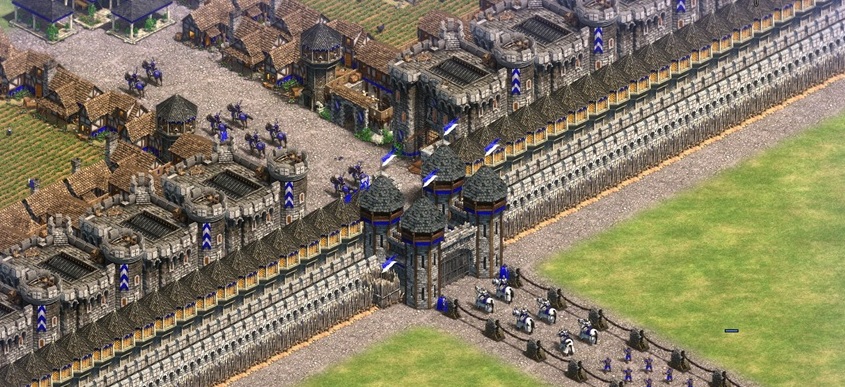
- Age of Empires II Definitive Edition: A classic with a strong community, excellent tutorials, and a more gradual pace than some other RTS titles. Its historical setting is also very engaging.
- Northgard: A simpler, more focused RTS with a charming art style and a greater emphasis on base building and survival, making it less overwhelming for newcomers.
- StarCraft II (Wings of Liberty campaign is Free-to-Play): While the multiplayer is intensely competitive, the single-player campaign is a masterclass in RTS design, guiding players through mechanics and strategy in a fun, narrative-driven way.
- For Veterans and Competitive Players:
- StarCraft II: Legacy of the Void: Continues to be the gold standard for competitive RTS, demanding high APM and strategic depth.
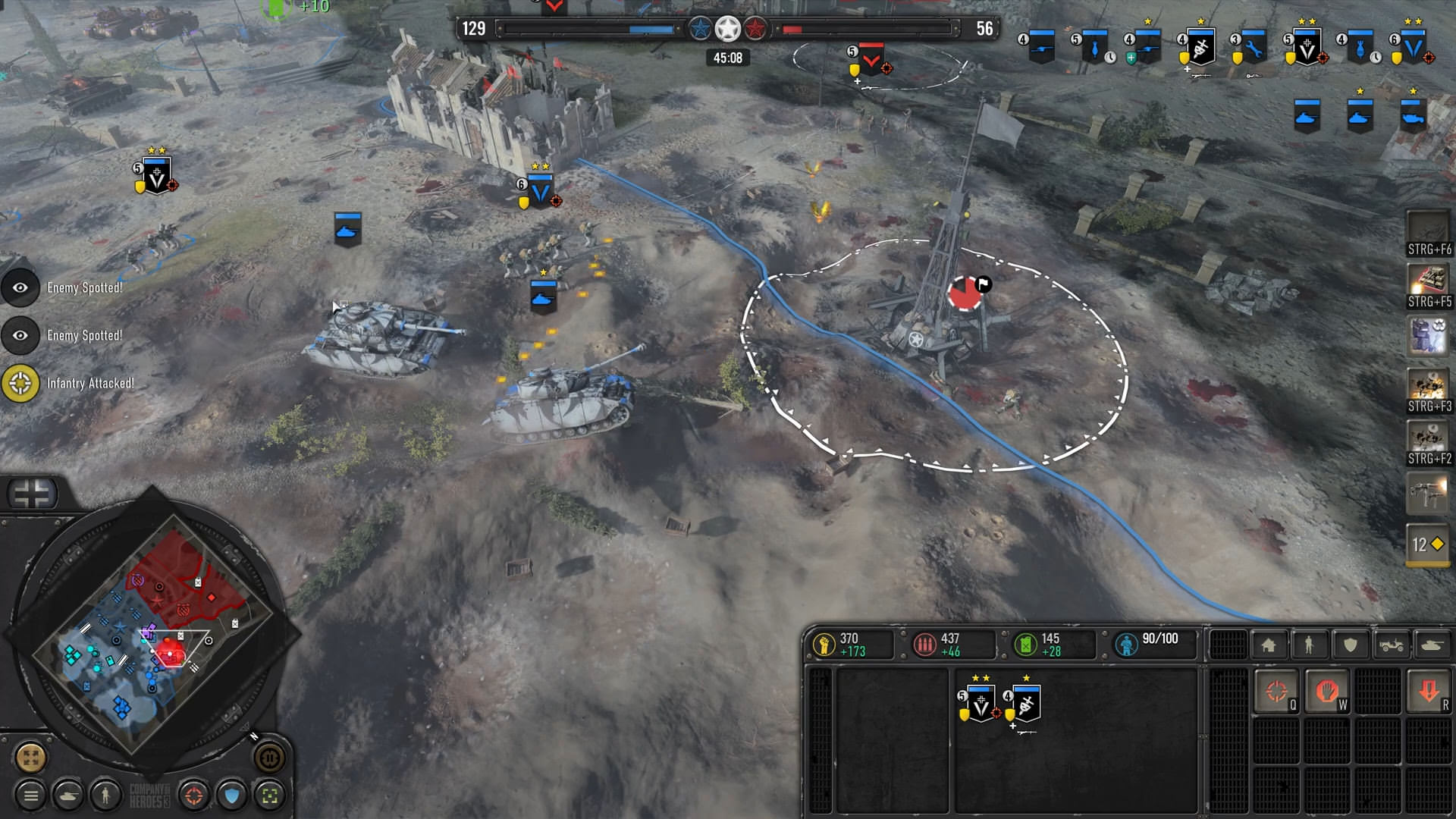
- Company of Heroes 3: Offers tactical squad-based combat set in WWII, focusing on cover mechanics and dynamic battlefields rather than traditional base building.
- Age of Empires IV: A modern iteration that builds upon the success of AoE2, bringing new factions and refined mechanics for a fresh competitive experience.
- Warhammer 40,000: Dawn of War series: Known for its brutal combat and focus on tactical engagements over expansive base building.
The gaming landscape in 2026 also sees a healthy mix of mobile RTS titles and cross-play options, bringing strategic gaming to more platforms than ever before.
How Can I Balance RTS Gaming with Work and Family Life?
Balancing a passion for gaming, especially demanding genres like RTS, with the realities of work and family life is a common challenge for many adults. Here are some practical strategies:
- Set Clear Boundaries: Designate specific times for gaming. Treat it like any other appointment. Maybe it is an hour after the kids are asleep, or a dedicated slot on Saturday morning.
- Communicate with Your Family: Let your family know your gaming times. This helps manage expectations and reduces potential conflicts.
- Choose Your Games Wisely: Some RTS games have longer match times than others. Opt for titles with shorter skirmishes or robust single-player campaigns that allow you to pause if needed.
- Utilize Co-op Modes: Many RTS games offer cooperative play against AI. This can be a more relaxed way to enjoy the game with friends without the high-stakes pressure of competitive ladders, making it easier to drop in and out.
- Consider Mobile RTS: With mobile gaming dominating segments of the market and offering sophisticated experiences, a quick RTS match on your phone during a lunch break or commute can satisfy that strategic itch without impacting home time.
- Leverage Community Tools: Platforms like Discord allow you to connect with fellow gamers and schedule play sessions, making it easier to find opponents or teammates who also have busy schedules.
Remember, gaming is a hobby meant for enjoyment and relaxation. Find what works for you and do not let it become another source of stress.
Are There Budget-Friendly Ways to Enjoy RTS Games in 2026?
Absolutely! Gaming does not have to break the bank, especially in 2026 where value for money is paramount for many gamers. Here are some budget-friendly approaches to enjoying RTS games:
- Free-to-Play (F2P) Titles: Many excellent RTS games offer a robust F2P model. StarCraft II's Wings of Liberty campaign and significant multiplayer content is completely free. Other F2P options frequently emerge, offering substantial gameplay without an upfront cost.
- Game Pass and Subscription Services: Services like Xbox Game Pass (which includes PC games) often feature popular RTS titles. For a monthly fee, you get access to a large library, allowing you to try various games without individual purchases.
- Sales and Bundles: Keep an eye out for sales on platforms like Steam, GOG, and Epic Games Store. RTS games are frequently discounted, and bundles can offer great value for entire series.
- Older Classics: Many foundational RTS games from previous decades are still incredibly fun and often available for very low prices. They might not have 2026 graphics, but their strategic depth is timeless.
- Hardware on a Budget: You do not always need the absolute latest GPU for RTS games. Many are more CPU-intensive. Investing in a solid mid-range processor and ample RAM (16GB is usually a sweet spot) can provide a great experience without a top-tier graphics card. Look for refurbished components or last-gen deals.
Smart spending means you can enjoy the strategic thrills of RTS without straining your wallet, leaving more budget for life's other necessities.
How Has Social Play Evolved in Modern RTS Titles?
Social play in RTS games has evolved significantly beyond just 1v1 ladder matches. Today, the focus for many gamers is on connection and community, especially among Gen Z and Millennials who value social gaming. Modern RTS titles cater to this in several ways:
- Enhanced Co-op Experiences: Many games offer dedicated cooperative modes where players team up against AI opponents or complete specific missions together. This fosters teamwork and allows for a more relaxed, shared strategic experience.
- Robust Clan and Guild Systems: In-game systems allow players to form or join clans/guilds, providing a built-in community for finding teammates, sharing strategies, and participating in exclusive events.
- Integrated Communication Tools: Better in-game chat, voice chat, and emote systems make communication smoother during matches.
- Cross-Platform Play: While less common for core RTS titles due to control scheme differences, the trend of cross-play is growing, expanding the player pool and making it easier for friends on different systems to connect, particularly in mobile-centric RTS games.
- Streaming and Content Creation: The rise of platforms like Twitch and YouTube has created massive social hubs around RTS games. Watching streamers, engaging in chat, and discussing esports events are integral parts of the social experience, even for those not actively playing competitively.
- Discord Communities: External platforms like Discord have become vital for RTS communities, hosting LFG (looking for group) channels, strategy discussions, and social gatherings, cementing the genre's strong social fabric.
These developments ensure that RTS games are not just about solo mastery but also about shared experiences and community building, reflecting broader social gaming trends in 2026.
What Are Common Performance Issues in RTS Games and How to Fix Them?
Even with powerful hardware, RTS games can sometimes present performance challenges, especially during large-scale battles with many units. Here are common issues and practical solutions:
- Low FPS During Large Engagements: This is often due to CPU bottlenecks, as RTS games can be very processor-intensive.
- Fix: Ensure your CPU drivers are up-to-date. Reduce unit detail settings, shadow quality, and physics effects in the game's graphics options. Overclocking your CPU (if you know how) can help, but ensure adequate cooling. Close unnecessary background applications.
- Lag or Disconnects in Multiplayer: This is typically network-related.
- Fix: Use a wired Ethernet connection instead of Wi-Fi for stability. Check your internet speed and ping. Close bandwidth-heavy applications (streaming, large downloads). Ensure your router firmware is updated. If issues persist, try contacting your ISP.
- Game Stuttering or Freezes: Can be memory or storage related.
- Fix: Ensure you have at least 16GB of RAM. If you are on 8GB, consider an upgrade. Install the game on an SSD (Solid State Drive) for faster loading and less stuttering, especially if assets are constantly being loaded. Clear your system's temporary files.
- Graphical Glitches or Artifacts: Usually GPU or driver issues.
- Fix: Update your graphics card drivers to the latest stable version. Verify game file integrity through your game launcher. Lower texture quality or anti-aliasing settings. Monitor your GPU temperature to ensure it is not overheating.
Regularly updating your drivers, monitoring system temperatures, and optimizing your in-game settings are crucial steps to ensure a smooth RTS experience, allowing you to focus on strategy, not technical headaches.
How Does RTS Compare to Other Strategy Genres?
While often grouped under the broad umbrella of 'strategy games,' RTS distinguishes itself from other subgenres in key ways:
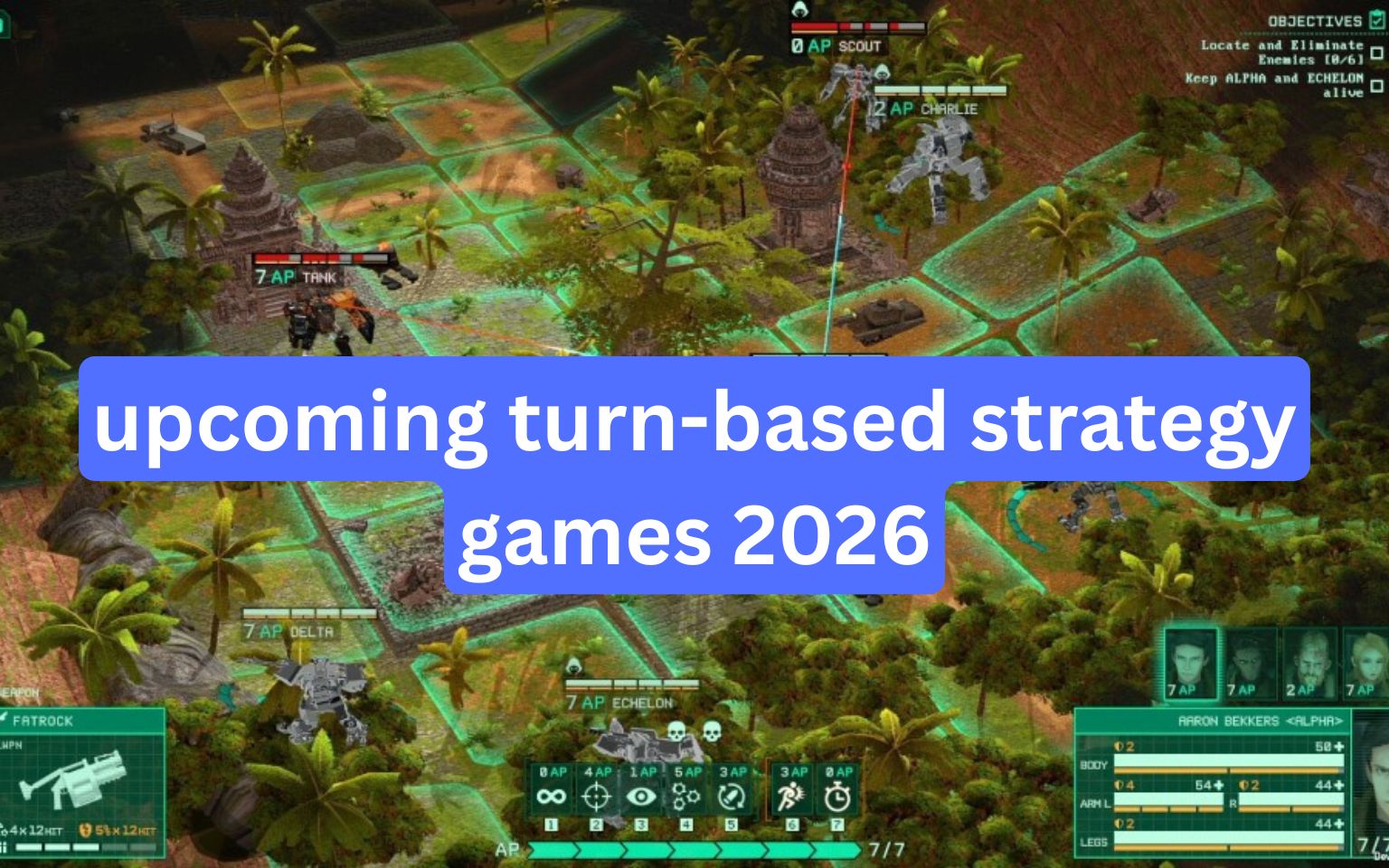
- RTS vs. Turn-Based Strategy (TBS): This is the most significant differentiator. TBS games (like Civilization or XCOM) involve players taking turns to move, attack, and manage their empires. This allows for deliberate, unhurried planning. RTS, by contrast, demands constant, simultaneous action and real-time decision-making. The pace is much faster, requiring quicker reflexes and multitasking.
- RTS vs. Grand Strategy (GS): Grand Strategy games (like Europa Universalis or Crusader Kings) focus on managing vast empires over long periods, often dealing with diplomacy, economy, and politics on a macro scale. While they involve strategy, GS games are usually slower-paced, often pausing time, and less focused on direct unit control during battles, which are usually abstracted. RTS is more about tactical combat and immediate operational control.
- RTS vs. Tower Defense (TD): Tower Defense games involve building static defenses to repel waves of enemies along a predetermined path. While they share elements of base building and resource management, TD games typically lack the free-form unit control, exploration, and direct offensive capabilities of RTS games.
The real-time element and direct control over units and production in a constantly evolving environment are what truly define and set apart the RTS genre, offering a distinct strategic challenge that appeals to a specific type of gamer.
So, there you have it: a deep dive into what is an RTS game and why it remains such a powerful, engaging genre in 2026. From sharpening your mind with complex decisions to connecting with friends in strategic battles, RTS offers a rich gaming experience. It's a genre that rewards intelligence, adaptability, and practice, providing endless hours of fun and a true sense of mastery without the fleeting hype. Whether you're a seasoned general or a curious newcomer, there's an RTS out there waiting for you.
What's your biggest gaming challenge when trying out a new genre? Comment below and let us know!
FAQ Section
What does RTS stand for?
RTS stands for Real-Time Strategy, a video game genre where players make decisions and execute actions continuously without the use of turns. It emphasizes simultaneous planning and execution.
Are RTS games hard to learn?
RTS games can have a steep learning curve due to multitasking demands and complex mechanics. However, many offer beginner-friendly tutorials and single-player campaigns that ease new players into the genre.
Can I play RTS games on mobile?
Yes, many RTS games are available on mobile platforms, often optimized for touch controls. While traditional PC RTS remains dominant, mobile RTS offers convenient strategic gameplay on the go, with titles like Clash Royale or Company of Heroes Mobile.
Do RTS games require fast internet?
For multiplayer, a stable internet connection with low latency (ping) is more crucial than raw speed. A consistent connection ensures smooth gameplay without lag or disconnects during critical moments.
What's a good entry-level RTS?
Age of Empires II Definitive Edition or Northgard are excellent entry points. They offer engaging gameplay, good tutorials, and a more forgiving pace compared to highly competitive titles like StarCraft II.
Is RTS gaming still popular?
Yes, RTS gaming remains popular, particularly among a dedicated core audience and in the esports scene. Classics receive continuous updates, and new titles emerge, demonstrating the genre's enduring appeal for strategic depth and competitive play. It continues to be a staple for many US gamers.
Real Time Strategy Definition Base Building and Unit Control Strategic Decision Making Competitive Multiplayer Single Player Campaigns Mental Skill Building Popular RTS Games Balancing Gaming with Life
35


Evolve Siege What Other Games Were Killed By Micro List Of Xbox Games Best Rts Games . Top Strategy Games Of 2026 Best RTS 4X Grand Strategy Tactics Top Strategy Games Of 2026 Banner . The 15 Best Real Time Strategy RTS Games Coming In 2026 The 10 Best Real Time Strategy RTS Games Coming In 2026 . The RTS Comeback Is HERE 15 Most Anticipated Games Of 2026 YouTube . 10 Best Upcoming RTS Games In 2026 YouTube


Top 15 Upcoming RTS Games 2025 Latest Real Time Strategy YouTube . Top 18 Upcoming RTS Games For 2025 2026 YouTube . Top 15 Best Upcoming Strategy Games Of 2026 RTS Tactical Grand . Top 12 Upcoming RTS Games You Need To Play In 2026 YouTube . Top 15 RTS Games Everyone Is Playing Right Now 2026 YouTube


Best Strategy Mobile Games At Allen Stark Blog . Top RTS Game Demos To Try During Steam S Next Fest In June Of 2025 L . Upcoming Real Time Strategy RTS Games In 2026 GameWatcher Zero . 7 Game RTS Terbaru 2025 Dan 2026 Dengan Strategi Perang Dan Fantasi Image. Top 15 Strategy Games Of 2026 Allkeyshop Com 3 3 TOP15 TH Strategy 1024x576



RTS Mean In Gaming Real Time Strategy Games In 2026 Rts Mean In Gaming.webp. Upcoming Real Time Strategy RTS Games In 2026 GameWatcher GlobalC . New And Upcoming RTS Games In 2026 With Developers Answering What Makes . Strategie Di New Media Education Una Ricerca Azione . 15 Best RTS Games You MUST Play In 2025 ProFanboy Profanboy Best Rts Games Company Of Heroes 3 2023



New RTS Games Expansions Demos Playtests With Updates On Games In . Upcoming Rts Games 10 Best RTS Games On PC 2025 PLLZ . The 15 Best Real Time Strategy RTS Games Coming In 2026 The Best Real Time Strategy Games For Turtling . 15 Best Indie RTS Games To Play In 2026 Best Indie RTS Games 1024x683 . Quels RTS Vont Dominer En 2026 Game Zone Blog 110
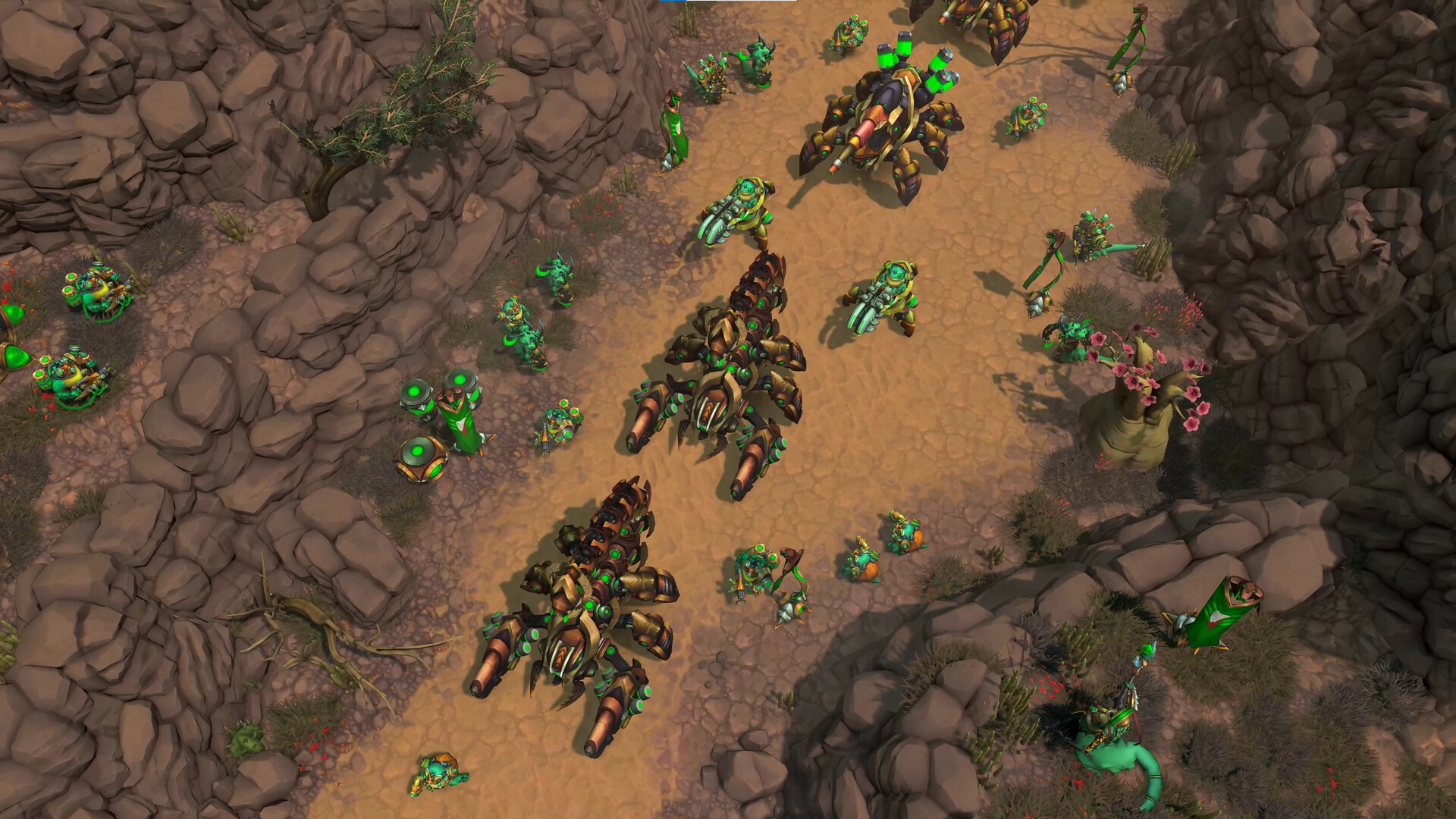


Top 15 Upcoming Turn Based Strategy Games Coming In 2026 Upcoming Turn Based Strategy Games 2026 . Upcoming Real Time Strategy RTS Games In 2026 GameWatcher Liquidation March . Strategy Games Continue To Rule In 2026 YouTube . Top 10 Strategy Games February 2026 Best Defense War Top 10 Strategy Games February 2026 Featured Image 1 768x428 . 13 Best Turn Based Strategy Games To Play In 2026 12 Best Turn Based Strategy Games 768x768
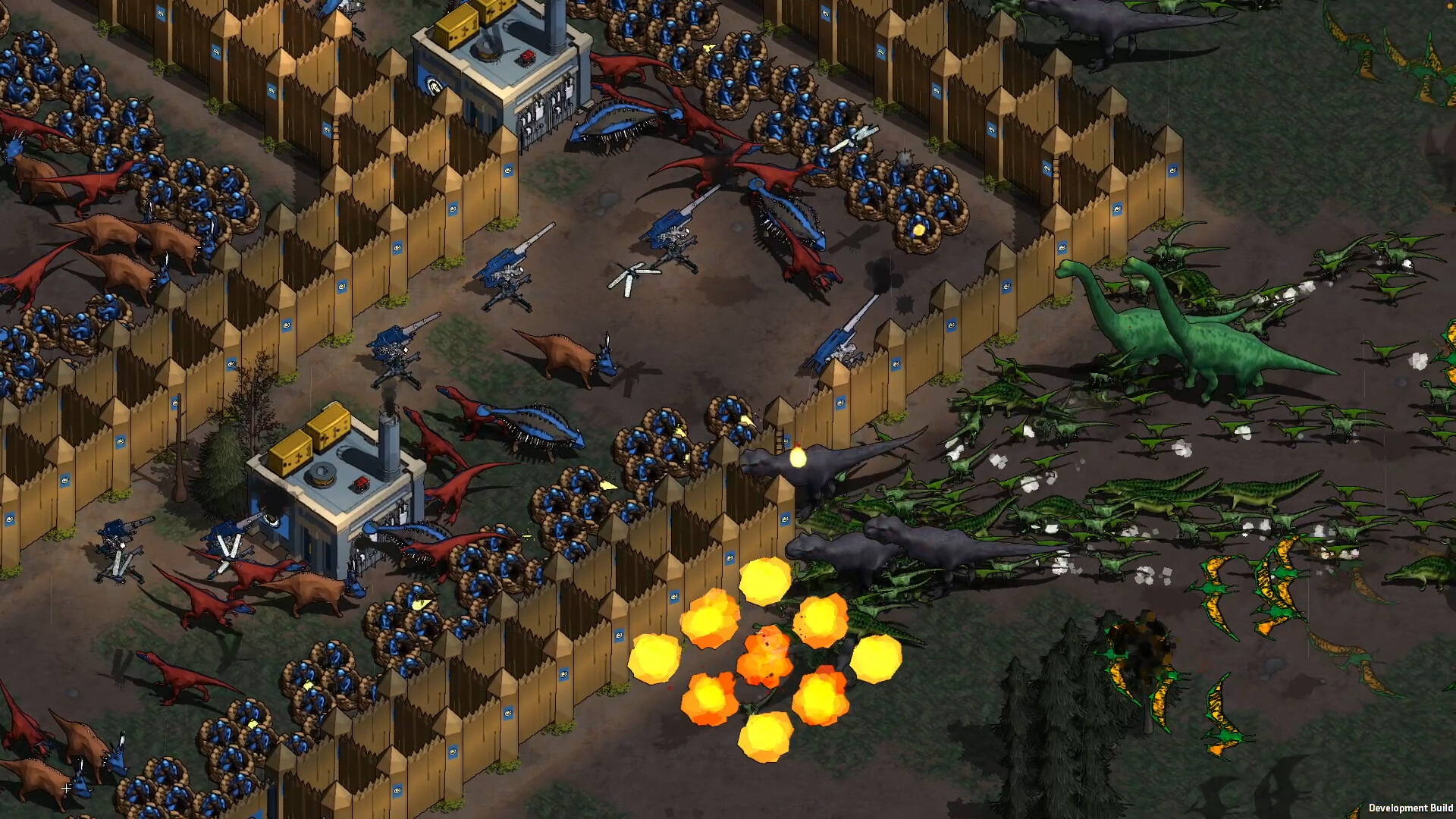
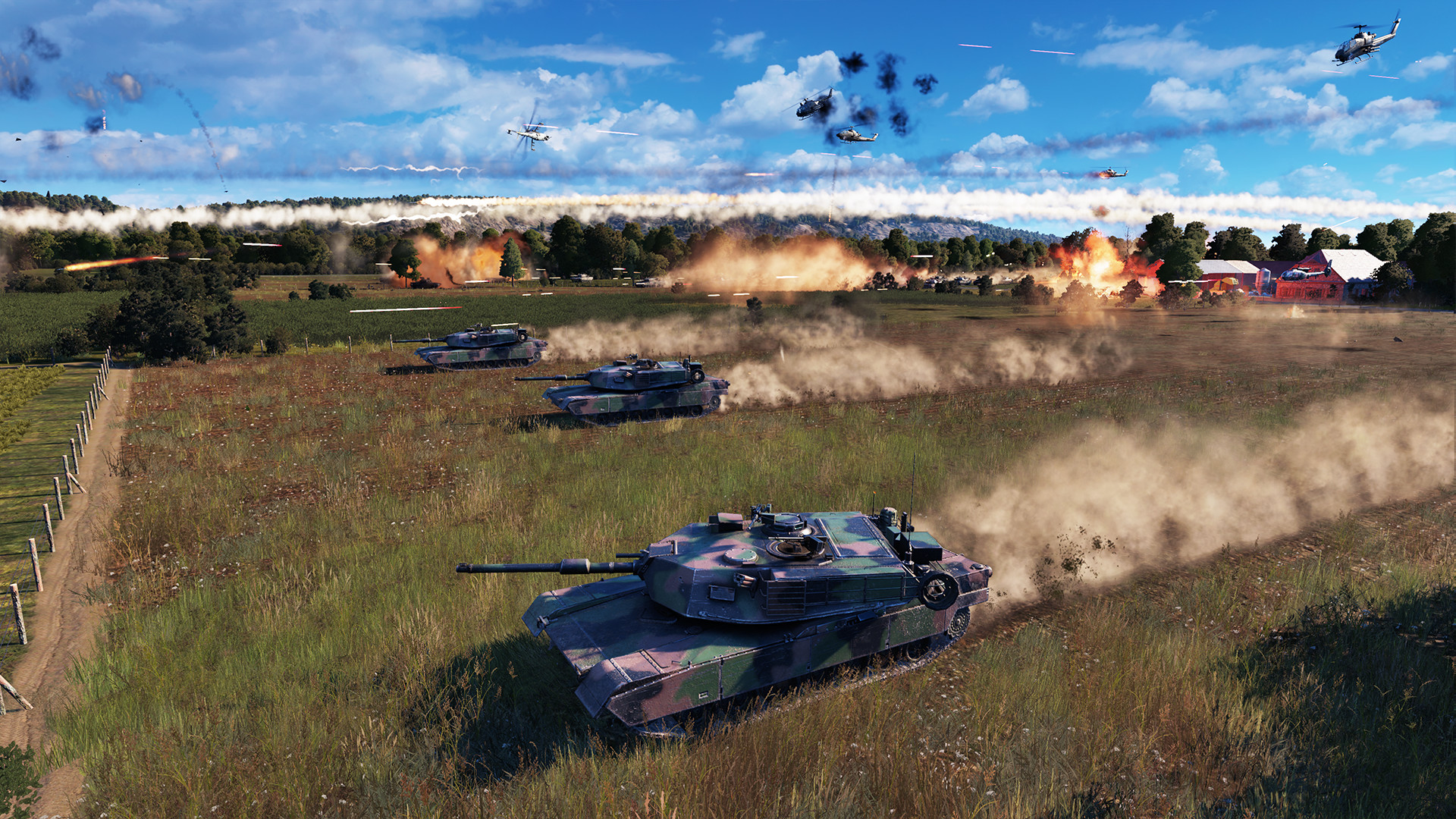


Upcoming Real Time Strategy RTS Games In 2026 GameWatcher Repterra Assault . The 10 Best Real Time Strategy RTS Games To Play In 2026 The 10 Best RTS Games To Play In 2026 My Definitive List . The 20 Best Real Time Strategy RTS Games To Wishlist In 2025 The 10 Best Real Time Strategy Rts Games To Buy On The Steam Autumn Sale 2025 1 . Why Repterra Looks Like A Must Watch Retro RTS Game In 2026 Repterra Is A RTS With Dinosaurs . Upcoming Real Time Strategy RTS Games In 2026 GameWatcher Veterans Face Off