Navigating the storage landscape for gaming in 2026 can be tricky, especially for the average gamer who balances a demanding job, family life, and seeks relaxation in their limited gaming hours. This comprehensive guide dives deep into the question: does HDD good for gaming? We'll explore the enduring relevance of Hard Disk Drives (HDDs) versus Solid State Drives (SSDs), examining their impact on load times, performance, and overall gaming experience. For budget-conscious players who value every dollar, understanding where an HDD fits into a modern gaming setup is crucial. We'll cover optimal storage strategies, when an HDD is still a smart choice, and when an SSD is non-negotiable, all while keeping current gaming trends and the needs of busy adult gamers at the forefront. Prepare to optimize your gaming rig without breaking the bank, ensuring your precious gaming time is spent playing, not waiting.
Related games- How to Find Working Roblox Codes 2026
- How to Get Cartoon Player in Smiling Critters Roblox
- How to Find Acoustic Guitar Roblox IDs Fast 2026 Guide
- Guide to New Roblox Items Discover Latest Gear Updates
- How to Master Roblox Camouflage Shirt Styles Easily
Is an HDD still good for gaming in 2026?
While HDDs can still store games, they are no longer considered 'good' for optimal gaming performance in 2026 due to significantly slower load times and potential in-game stuttering compared to SSDs. They are best utilized as secondary storage for less demanding titles or a large game library.
Do HDDs slow down game performance?
HDDs primarily slow down game performance by causing much longer load times for games and levels. While they don't directly reduce FPS, their slower data access can lead to micro-stutters and texture pop-in in modern, data-intensive games that stream assets rapidly, impacting the overall smoothness of the experience.
What's the difference between HDD and SSD for gaming?
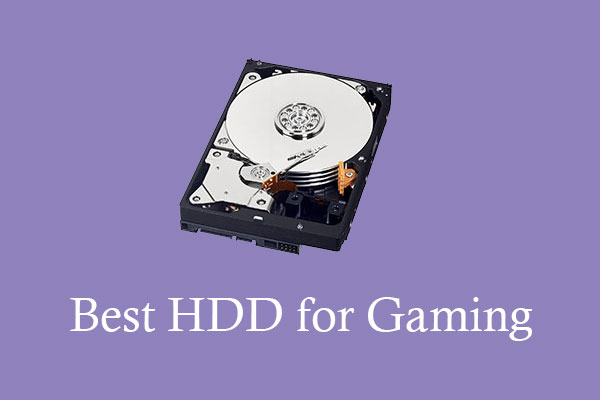
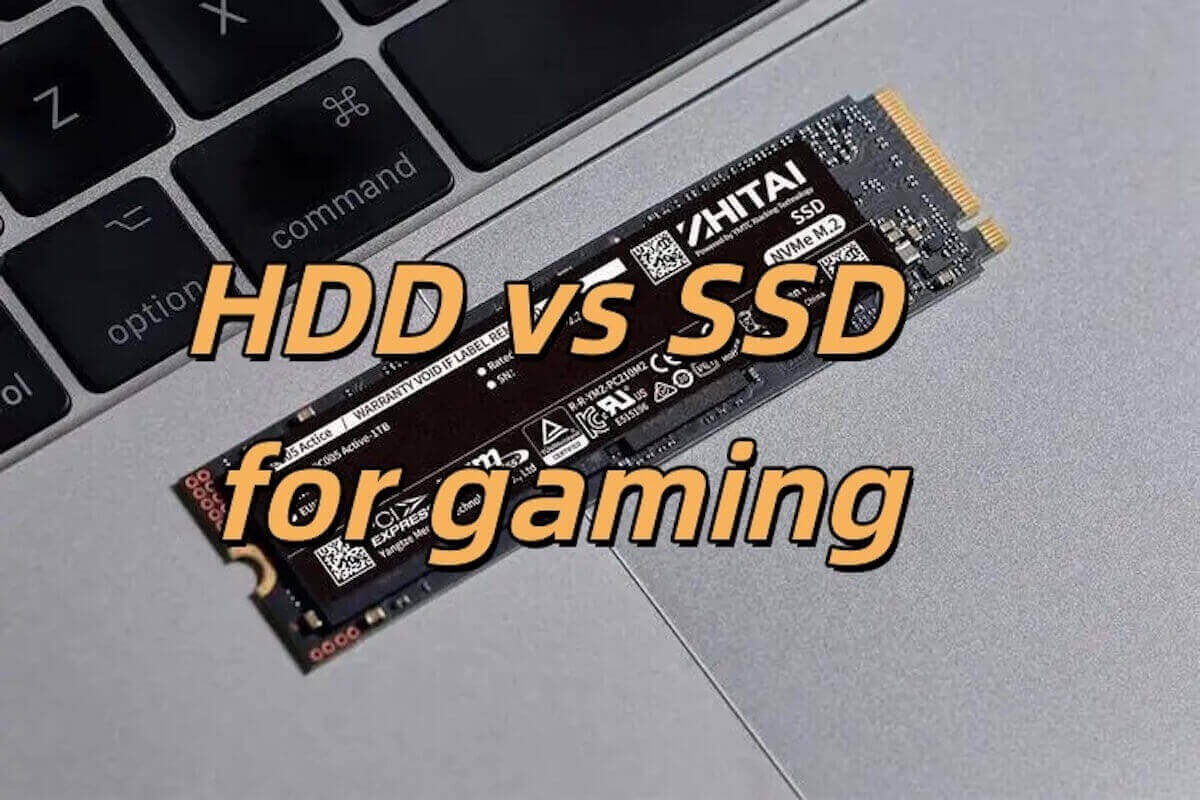
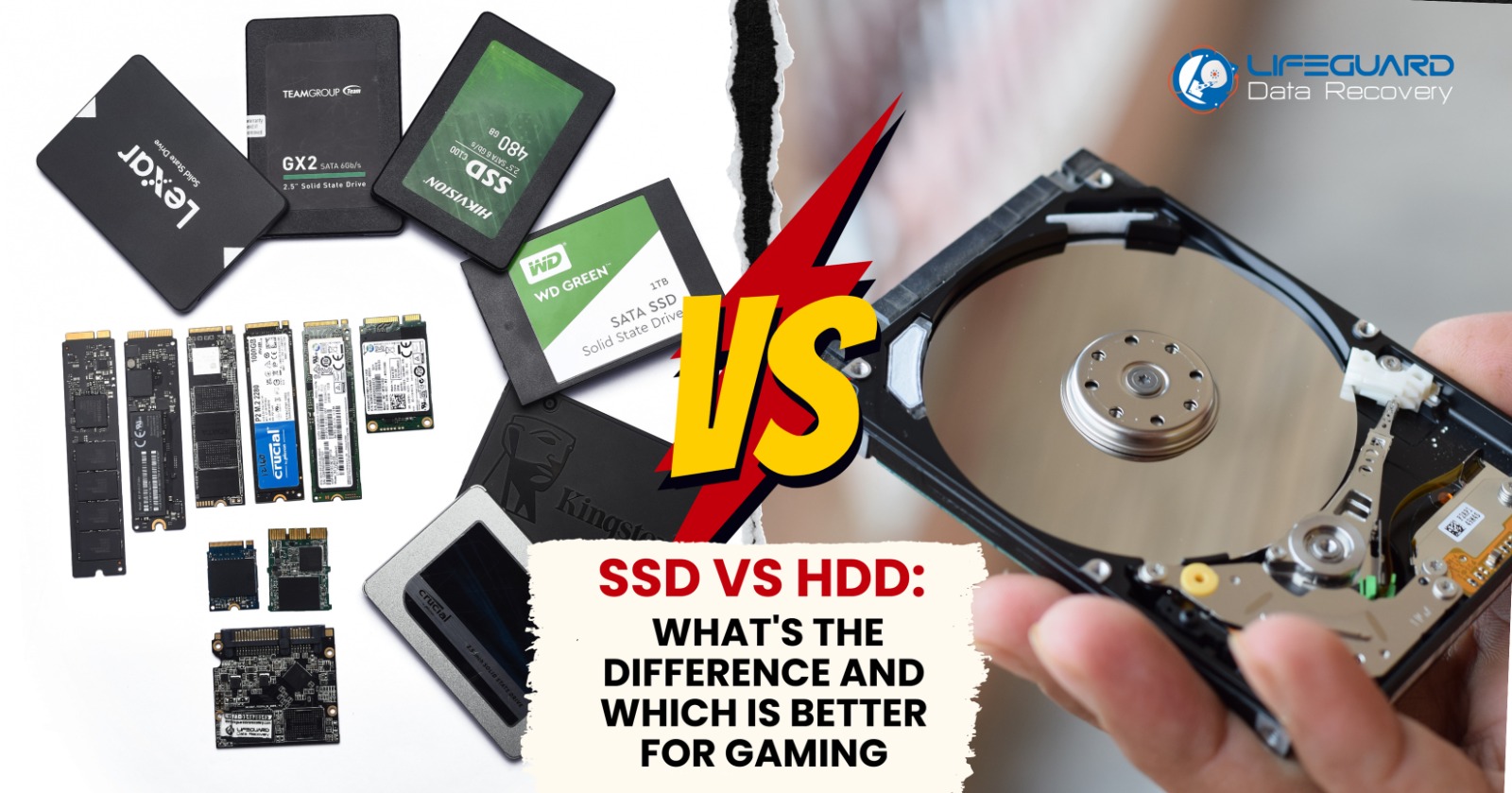
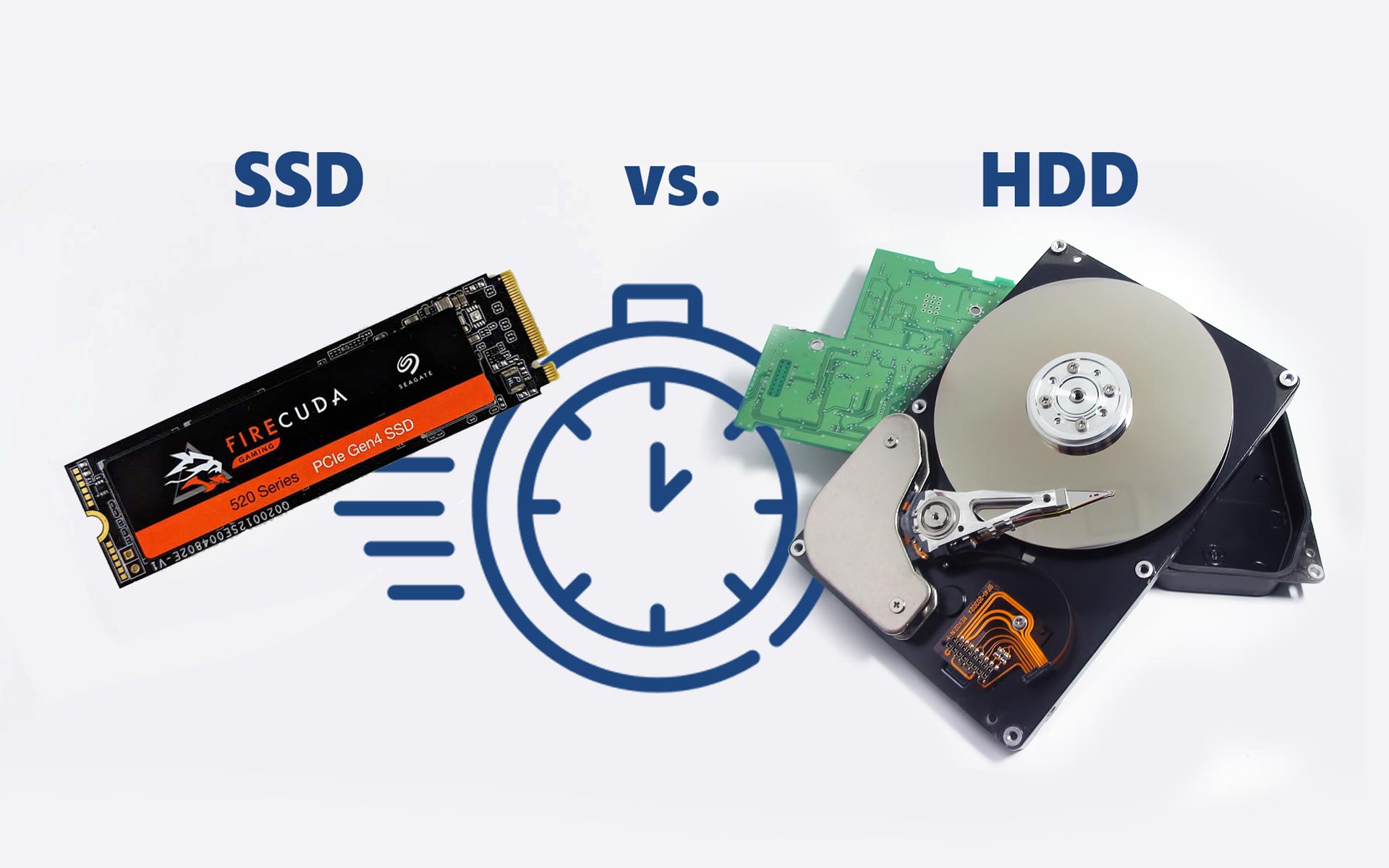
The core difference for gaming lies in speed. SSDs use flash memory, offering near-instant data access, leading to lightning-fast load times. HDDs use spinning platters and read/write heads, making them mechanical and much slower, resulting in prolonged loading screens. SSDs offer a smoother, more responsive gaming experience where data streaming is critical.
When should I choose an HDD for my games?
Choose an HDD for games when you need massive storage capacity on a tight budget, primarily for archiving older titles, indie games, or games you play infrequently. It's also ideal as a secondary drive in a hybrid setup where your main operating system and frequently played games reside on a faster SSD.
How much does an HDD cost for gaming in 2026?
In 2026, HDDs remain significantly more cost-effective per gigabyte than SSDs. A 2TB HDD might cost around 60-80 dollars, while a 4TB HDD could be 80-120 dollars, offering excellent value for bulk storage. This makes them an attractive option for budget-conscious gamers needing extensive library space.
Does using an HDD for gaming impact load times significantly?
Yes, significantly. Games installed on an HDD will experience noticeably longer load times for levels, assets, and game startup compared to an SSD. This is due to the mechanical nature of HDDs, which relies on spinning platters and read/write heads, making data access slower. While it wont directly impact your frames per second once a game is loaded, the initial wait can be frustrating for many players who game an average of 10+ hours a week.
Can I still enjoy modern AAA games if they are installed on an HDD?
You can, but your experience will be compromised in terms of loading speed and potentially some in-game asset streaming. While an HDD meets minimum system requirements for many modern AAA titles, the recommended specs increasingly point towards SSDs for optimal performance. Gamers balancing jobs and families often value quick play sessions, and waiting several minutes for a game to load can cut into precious gaming time. Social gaming trends also favor quick jumps between games, which HDDs hinder.
What are the best scenarios for using an HDD in a gaming setup in 2026?
In 2026, HDDs are best suited as secondary storage for your vast game library, especially for older titles, less demanding indie games, or games you dont play frequently. They are excellent for storing media files, backups, and applications where speed isnt critical. Many savvy gamers use a smaller, faster SSD for their operating system and frequently played titles, then offload larger, less-played games to a high-capacity HDD to save money and maximize storage.
Will an HDD bottleneck my high-end CPU and GPU during gaming?
An HDD typically wont bottleneck your CPU or GPU in terms of raw frames per second (FPS) once the game is fully loaded into RAM. However, it can create a 'data bottleneck' during initial game loading, level transitions, or when streaming large texture files, causing stuttering or pop-in textures if the game cant load assets fast enough. This can indirectly affect the perceived smoothness of gameplay, even if your CPU/GPU are otherwise capable. It impacts the overall fluidity rather than just the FPS count.
Is it possible to combine an SSD and an HDD effectively for gaming storage?
Absolutely, this is a very common and recommended strategy for cost-effective and high-performance gaming setups. You can install your operating system, essential applications, and your most frequently played or demanding games on a fast SSD for quick boots and minimal load times. Then, use a larger, more affordable HDD for mass storage of your entire game library, less frequently played titles, and other media. This hybrid approach gives you the best of both worlds: speed where it matters most and ample storage for everything else.
What RPM speed should I look for if I must use an HDD for gaming?
If you must use an HDD for gaming, always prioritize a 7200 RPM drive. This higher rotational speed allows the platters to read and write data faster than 5400 RPM drives. While even a 7200 RPM HDD will be significantly slower than an SSD, it offers the best possible performance for a traditional hard drive. Avoid 5400 RPM drives for gaming as they will lead to noticeably longer load times and a generally sluggish experience, impacting the relaxation and fun that gamers seek.
How much storage capacity is considered adequate for a gaming HDD in 2026?
Given that modern AAA games often exceed 100 GB (with some pushing 200-300 GB), a dedicated gaming HDD in 2026 should ideally be 2TB or larger. Many gamers find 4TB to be a sweet spot, providing ample space for a substantial game library, system backups, and other media without constant worry about running out of space. With game sizes continually increasing, planning for future expansion is key, especially for those who enjoy a diverse collection across various platforms and genres.
Hey there, fellow gamers! Ever find yourself staring at a loading screen, wishing you could jump straight into the action, especially after a long day of work and family commitments? You're not alone. Many of us, part of the 87% of US adults who regularly game for an average of 10+ hours a week, are constantly looking for ways to maximize our limited gaming time. With game sizes ballooning and new hardware constantly hitting the market, a common question still lingers: does an HDD good for gaming in 2026? It's a valid concern for anyone balancing performance, budget, and the sheer volume of digital worlds we want to explore. This guide is built for you, the everyday gamer, seeking practical, no-hype answers to make smart hardware choices.
We're going to cut through the noise and give you the real talk about Hard Disk Drives in today's gaming landscape. We'll cover everything from load times and performance impacts to budget-friendly strategies and whether that old spinning disk still has a place in your rig. Our goal is to empower you with the knowledge to optimize your gaming setup, ensuring you get the most fun, relaxation, and skill-building out of your sessions, all without stressing about technical headaches or unnecessary spending. Let's dive in and demystify the HDD for gaming in 2026.
Is an HDD Still Viable for Gaming in 2026?
In 2026, the short answer is yes, but with significant caveats. HDDs remain viable primarily for mass storage, particularly for large game libraries where lightning-fast load times aren't the absolute priority. For the average gamer who enjoys a diverse collection of titles, from older classics to less demanding indie games and even some modern AAA titles, an HDD still offers unparalleled cost-per-gigabyte. It's a fantastic solution for archiving games you don't play daily but want readily accessible. However, it's crucial to understand that an HDD will not deliver the same performance as a Solid State Drive (SSD), especially for games designed with SSDs in mind. Modern game engines leverage faster storage to stream assets seamlessly, and HDDs simply can't keep up, potentially leading to longer load times and occasional texture pop-in. Think of it as a trusty workhorse – dependable for heavy lifting, but not a race car.
How Does an HDD Impact Gaming Performance Compared to an SSD?
The primary impact of an HDD on gaming performance is evident in **load times**. Games installed on an HDD will take significantly longer to load levels, assets, textures, and even to launch the game itself compared to an SSD. This difference can range from mere seconds to several minutes, which for many gamers, especially those with limited time after work or family duties, can be a major frustration. Once a game is fully loaded into memory, an HDD generally doesn't affect your Frames Per Second (FPS) directly, as that's primarily the domain of your CPU and GPU. However, for open-world games or titles that continuously stream large amounts of data, an HDD can cause micro-stutters, texture pop-in, or hitches as it struggles to deliver data fast enough. This can subtly degrade the overall smoothness and immersion of your gaming experience, which directly impacts the relaxation and fun factor many seek from their hobbies.
When Should I Consider an HDD for My Gaming PC?
You should consider an HDD for your gaming PC in several key scenarios, particularly if you're a budget-conscious gamer or have a massive game library. Firstly, an HDD is an excellent choice for **secondary storage**. If you already have a smaller SSD for your operating system and your most-played, demanding games, a large HDD (2TB or 4TB+) provides an affordable solution for storing older titles, indie games, or games you play less frequently. Secondly, if you're on a **tight budget** for a new build or upgrade, investing in a smaller SSD for essential system files and one or two primary games, coupled with a larger HDD for the rest, offers the best bang for your buck in terms of sheer capacity. Finally, for **archiving media** like recorded gameplay, streaming assets, or general backups, HDDs are still the most economical choice. Remember, it's about smart utilization: speed for what needs it, capacity for everything else.
What Are the Biggest Drawbacks of Using an HDD for Games?
The most significant drawbacks of using an HDD for gaming revolve around **speed and responsiveness**. The mechanical nature of HDDs, with spinning platters and read/write heads, simply cannot compete with the flash memory of SSDs. This leads to several pain points:
- Longer Load Times: This is the most noticeable issue, making initial game launches and level transitions feel sluggish.
- Potential for Stuttering/Pop-in: In modern games, especially those with large open worlds or high-resolution textures, HDDs can struggle to stream data fast enough, leading to temporary freezes, visual artifacts, or delayed asset loading.
- Slower System Boot Times: While not strictly gaming-related, if your operating system is on an HDD, your PC will take longer to start up.
- Noise and Vibration: HDDs produce audible noise and vibration as their platters spin, which can be a minor annoyance in quiet gaming environments.
- Durability: Being mechanical, HDDs are more susceptible to physical shock damage than SSDs, though this is less of a concern once installed in a stationary desktop.
These factors can detract from the seamless, immersive experience that many gamers, particularly those enjoying social gaming or competitive titles, have come to expect.
Can a Hybrid Drive (SSHD) Offer a Good Balance for Gamers?
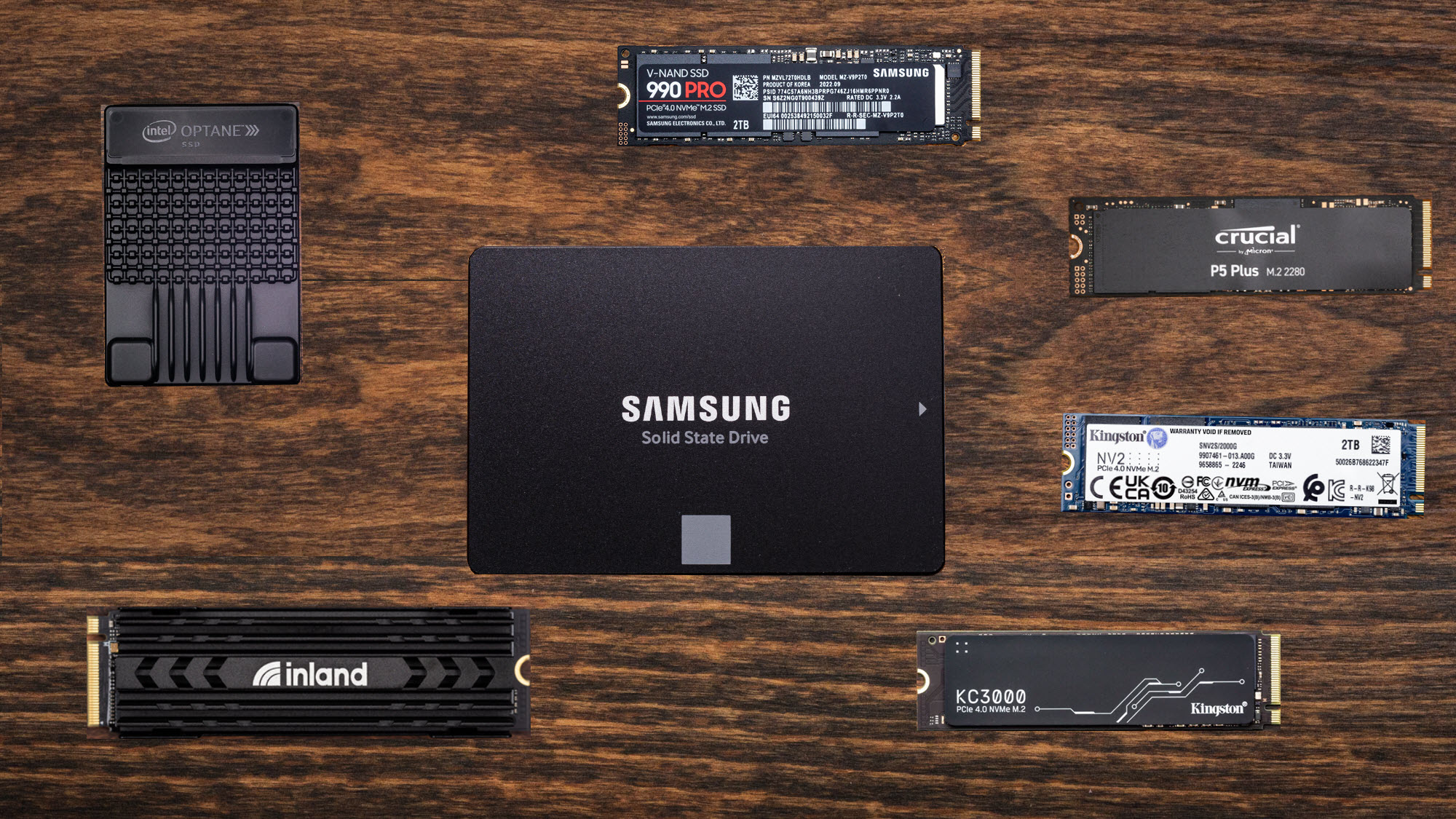
Hybrid drives, or SSHDs, attempt to bridge the gap between HDDs and SSDs by combining a traditional spinning platter with a small amount of NAND flash memory (typically 8GB to 32GB) that acts as a cache. The idea is that the drive's firmware intelligently learns which data you access most frequently and moves it to the faster flash cache. For gamers, this means that your operating system and perhaps your most-played game might see some performance improvements, especially in load times, compared to a pure HDD. However, SSHDs generally do not offer the consistent, across-the-board performance boost of a dedicated SSD. The cache size is often too small to hold an entire modern AAA game, meaning other games or less frequently accessed parts of your primary game will still rely on the slower HDD portion. While they offer a slight edge over HDDs, the price point often puts them close enough to entry-level SSDs that a dedicated SSD for your OS and main games, combined with a large HDD for bulk storage, remains the more effective and often more flexible solution for budget-conscious performance.
How Can I Optimize an HDD for Better Gaming Performance?
While an HDD will never match an SSD's speed, you can take steps to optimize its performance for gaming:
- **Defragment Regularly:** For HDDs, fragmentation means data is scattered across the platters, making the read/write heads work harder and slower. Use Windows' built-in Defragment and Optimize Drives tool periodically. (Note: *Never* defragment an SSD; it reduces its lifespan.)
- **Keep It Clean:** Avoid filling your HDD to its absolute capacity. Try to maintain at least 15-20% free space, as this allows the drive to operate more efficiently.
- **Install Essential OS/Programs on SSD:** If you have a hybrid setup (highly recommended), ensure your operating system, frequently used applications, and 1-2 primary games are on your SSD. Use the HDD strictly for bulk game storage.
- **Check Drive Health:** Use tools like CrystalDiskInfo to monitor your HDD's health. A failing drive will drastically underperform.
- **Update Drivers:** While less impactful for HDDs directly, ensuring your motherboard's storage controller drivers are up to date can help overall system efficiency.
- **High RPM Drives:** If purchasing a new HDD for gaming, always opt for a 7200 RPM drive over 5400 RPM for better speed.
These tips won't turn your HDD into an SSD, but they can help it perform at its best, minimizing potential slowdowns for titles stored on it.
What Role Do HDDs Play in Modern Game Storage Strategies?
In 2026, HDDs play a crucial role as **affordable, high-capacity secondary storage** in a multi-tiered system. The dominant strategy for most gamers involves a primary SSD (NVMe or SATA) for the operating system and a handful of heavily played, demanding games. Alongside this, a large HDD serves as a 'game library archive.' This allows gamers to install dozens, if not hundreds, of titles without constantly uninstalling and reinstalling due to space constraints, a common pain point for those juggling multiple interests. With many modern games exceeding 100GB, and some even pushing 200-300GB, a 4TB or 8TB HDD provides unparalleled value for housing a vast collection. This hybrid approach ensures you get lightning-fast performance where it matters most, while still having ample space for your entire digital collection, including those beloved cozy games, classic RPGs, or titles you dip into occasionally for social sessions with friends.
Are There Specific Game Genres Where HDDs Perform Better or Worse?
Absolutely, the impact of an HDD varies significantly across game genres. Generally speaking, HDDs perform **worse** in games that require constant, fast asset streaming or frequent loading screens. This includes:
- **Open-World Games:** Titles like Starfield, Cyberpunk 2077, or Elden Ring often stream large environments and textures dynamically, leading to stuttering or pop-in on HDDs.
- **Competitive Multiplayer Games:** In esports titles where fractions of a second matter, longer load times for maps can put you at a disadvantage.
- **Games with Fast Travel:** Frequent fast-travel points mean more loading screens, making HDD use frustrating.
- **Story-Driven Games with Many Cutscenes/Transitions:** Any game with numerous scene changes will expose the HDD's slower speeds.
Conversely, HDDs perform **better** (or at least, the performance difference is less impactful) in genres where loading isn't as constant or critical:
- **Turn-Based RPGs/Strategy Games:** Games like Baldur's Gate 3 (once loaded) or Civilization don't rely on constant, rapid asset streaming.
- **Indie Games/2D Platformers:** Often have smaller file sizes and less demanding asset loading.
- **Older Titles:** Games designed before widespread SSD adoption are less sensitive to storage speed.
- **Cozy Games:** Titles focused on relaxation and exploration, where minor load delays don't break immersion.
For gamers balancing work and family, understanding these genre differences can help them strategically place their games on the optimal drive.
How Do HDD Prices Compare to SSDs for Gaming Budgets?
In 2026, HDDs continue to be significantly more affordable per gigabyte compared to SSDs, making them highly attractive for budget-conscious gamers. For example, a 4TB HDD might cost around 80-100 dollars, offering immense storage capacity. In contrast, a 4TB SATA SSD could easily be 200-300 dollars, and a high-performance 4TB NVMe SSD even higher. This vast price difference is precisely why HDDs remain a vital component in many gaming setups. While the initial investment for a small-capacity SSD (e.g., 500GB or 1TB) is becoming more accessible, scaling up to multi-terabyte SSDs for an entire game library can still be prohibitively expensive for many. For the average gamer, especially those managing household budgets and looking for value for money, combining a modest SSD for key games and a large HDD for everything else is the most practical and financially sound approach to building a robust gaming PC.
What About External HDDs for Gaming? Are They Practical?
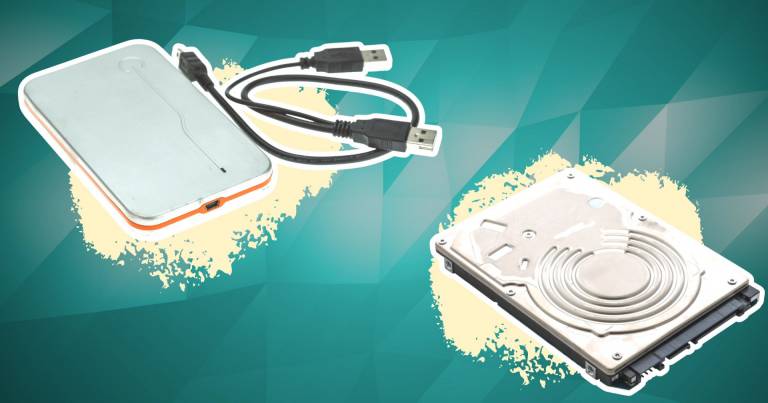
External HDDs can be practical for gaming, but primarily in specific use cases. They are excellent for **archiving games** you don't play regularly or for **transferring large game files** between PCs or to a friend's setup. Many gamers also use them for **backup solutions** of their entire game library or system images, which is always a smart move. For directly *playing* games, however, external HDDs often face limitations. Connection interfaces like USB 3.0 or 3.1 are generally fast enough, but the inherent speed limitation of the HDD itself remains. Moreover, external drives can be more prone to disconnections or power interruptions, which can corrupt game files. For console gamers (e.g., Xbox Series X/S, PS5), external HDDs can often store next-gen games, but typically only allow playing older generation titles directly from the drive. Next-gen games usually need to be transferred to the internal SSD to run. So, while useful for storage and backup, they are generally not recommended as the primary drive for actively playing demanding PC titles due to convenience and potential performance drawbacks.
So, there you have it! While SSDs are undoubtedly the performance kings for gaming, the humble HDD still has a valuable role to play in 2026, especially for the savvy gamer who values storage capacity and budget. By understanding their strengths and weaknesses, you can craft a storage solution that gives you the best of both worlds: speedy performance for your favorite titles and massive space for your ever-growing game library. It's all about making smart choices to maximize your fun without sacrificing your hard-earned cash.
What's your biggest gaming storage challenge right now? Comment below!
Does an HDD affect my FPS?
No, an HDD generally does not directly affect your Frames Per Second (FPS) once a game is fully loaded into RAM. FPS is primarily determined by your CPU and GPU. However, an HDD can indirectly impact perceived smoothness by causing stuttering or texture pop-in during asset streaming, especially in open-world games, due to its slower data access.
Can I install games on both an SSD and an HDD?
Yes, absolutely! This is a highly recommended and common strategy for most gamers. You can install your operating system and frequently played, demanding games on a fast SSD, and then use a larger, more affordable HDD for storing the rest of your game library, older titles, and less frequently accessed files. This optimizes both speed and storage capacity.
What is a good RPM for a gaming HDD?
If you are purchasing an HDD specifically for gaming, you should always opt for a 7200 RPM drive. Drives with a 7200 rotational speed offer significantly better performance and faster data access compared to 5400 RPM drives, which are typically slower and better suited for archival or non-performance-critical storage.
Is it worth upgrading from an HDD to an SSD for older games?
Yes, it's often worth it. While older games might not demand SSD speeds as much as modern titles, an SSD upgrade will still drastically improve load times, level transitions, and overall system responsiveness. This can rejuvenate your experience with beloved classics, making your entire gaming session smoother and more enjoyable, enhancing the relaxation aspect of gaming.
How much storage do I really need for gaming in 2026?
For 2026, a minimum of 1TB of total storage is recommended for a gaming PC, but 2TB to 4TB is more practical given modern game sizes (often 100GB+). A popular strategy is a 500GB-1TB SSD for your OS and main games, complemented by a 2TB-4TB HDD for your extensive game library and other media, ensuring ample space without breaking the bank.
Can an HDD still handle next-gen console games on PC?
While an HDD might meet minimum requirements for some next-gen PC games, it will significantly impact the experience. Many modern engines, especially those developed for current-gen consoles (PS5, Xbox Series X/S) that feature high-speed SSDs, are designed around rapid asset streaming. An HDD will result in much longer load times, potential texture pop-in, and may cause performance hitches, detracting from the intended seamless gameplay.
Are there any specific HDD brands recommended for gaming?
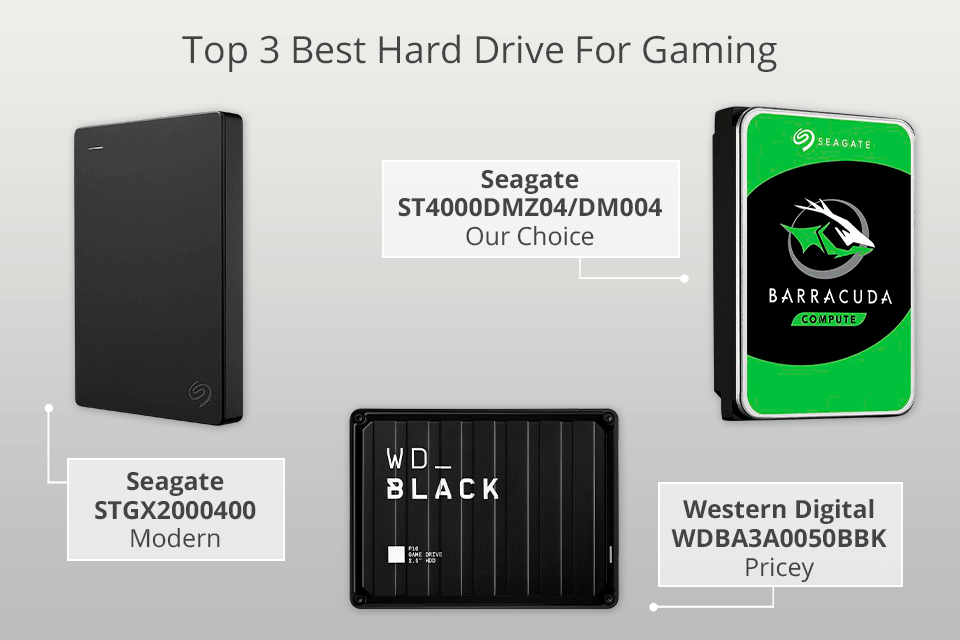
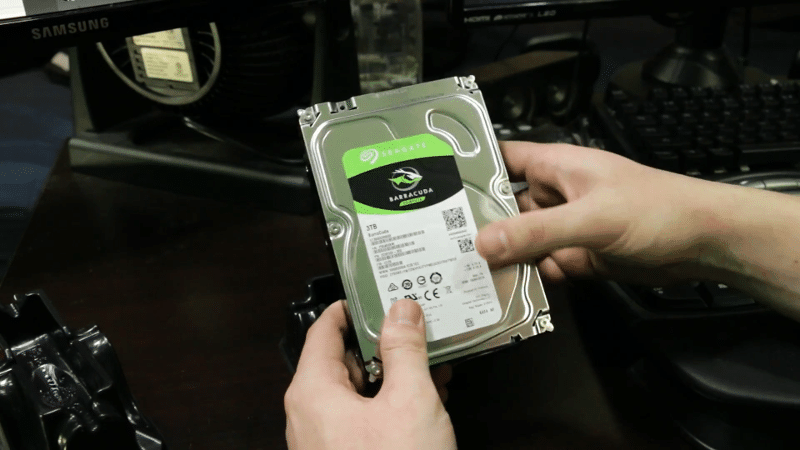
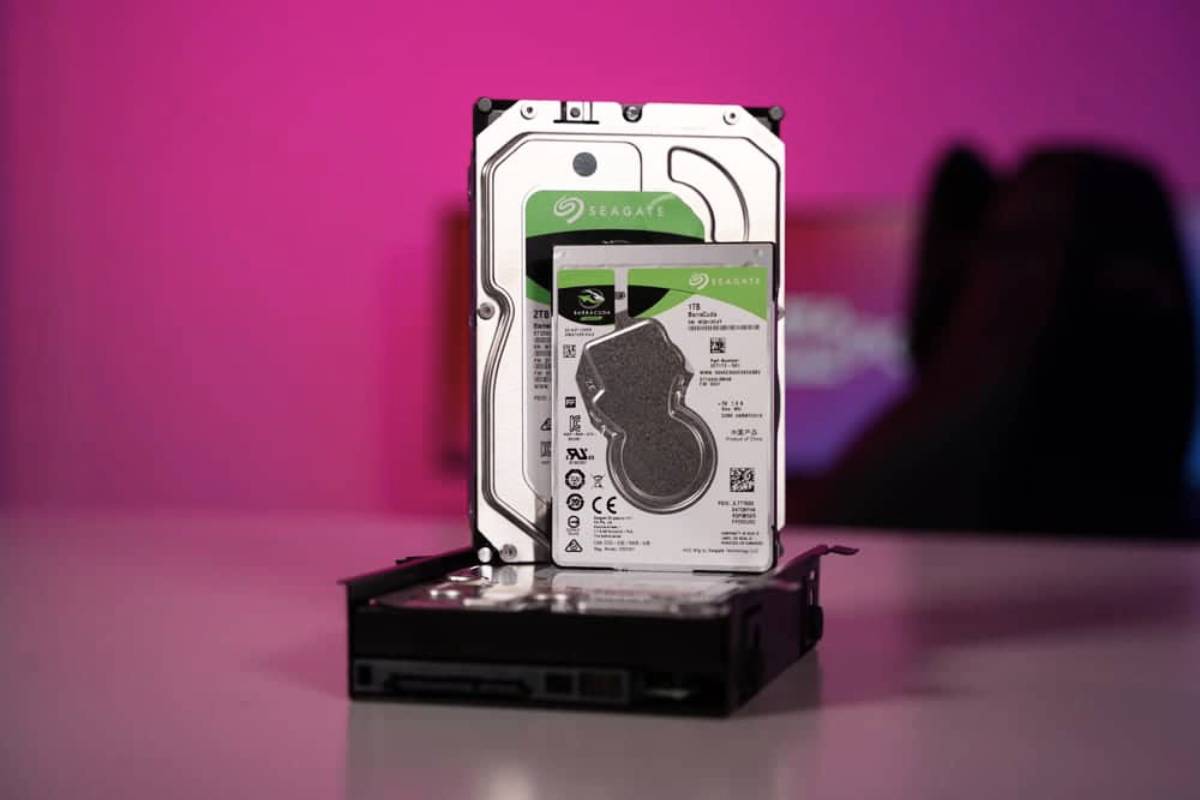
When choosing an HDD for gaming, reliable brands like Western Digital (e.g., WD Black for performance, WD Blue for balance) and Seagate (e.g., Barracuda series) are generally recommended. Focus on 7200 RPM drives with a decent cache size (e.g., 64MB or 128MB). Always check recent user reviews and warranty information to ensure you're getting a durable and reputable product for your gaming setup.
HDD vs SSD gaming performance, budget gaming storage solutions, load time differences, game installation sizes 2026, hybrid drive benefits, optimizing HDD for gaming, storage strategy for diverse game libraries, impact on modern game streaming, cost-effective upgrades.
35
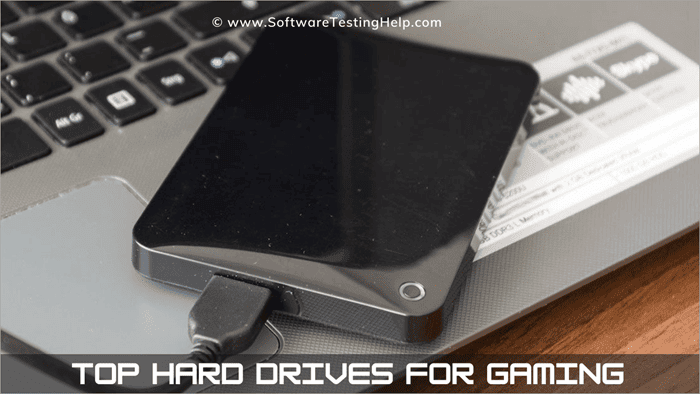
Upgrading Your PC How To Prioritize Components For Maximum Impact Choosing The Right Storage Solution For Gaming SSD HDD Or Hybrid . 8 Best Hard Drives For Gaming In 2026 Best Hard Drives For Gaming Top 3 . SSD Vs HDD For Gaming Does It Really Make A Difference . SSD Vs HDD Which Storage Drive Should You Buy In 2026 Untitled Design Nadeem Canva. The 15 Best Disk Image Software In 2026 Updated List Top Hard Drives For Gaming 1

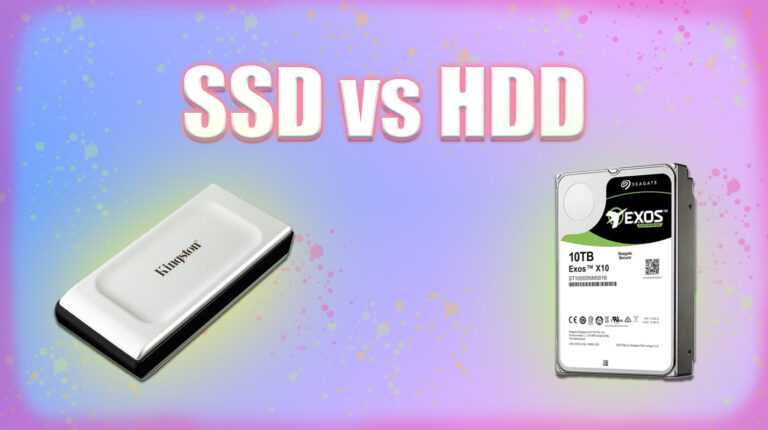

Best HDD For Gaming In 2026 HDD For Gaming . SSD Vs HDD Which Is Better For Your Gaming Needs In 2026 Ssd Vs Hdd 768x430 . Best HDD For Gaming 2020 WINNERS Ultimate HDD Buying Guide YouTube . How Much Does A Good Gaming PC Cost In 2026 PC Gaming Universe Featimg 2772572 9 . How Much Does A Good Gaming PC Cost In 2026 PC Gaming Universe Featimg 2772572 2
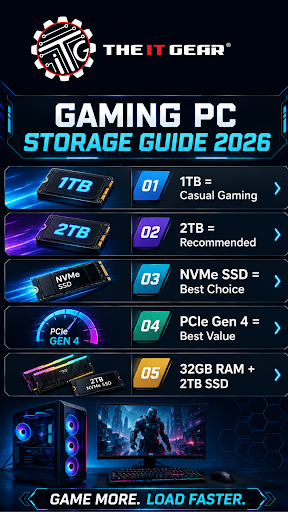
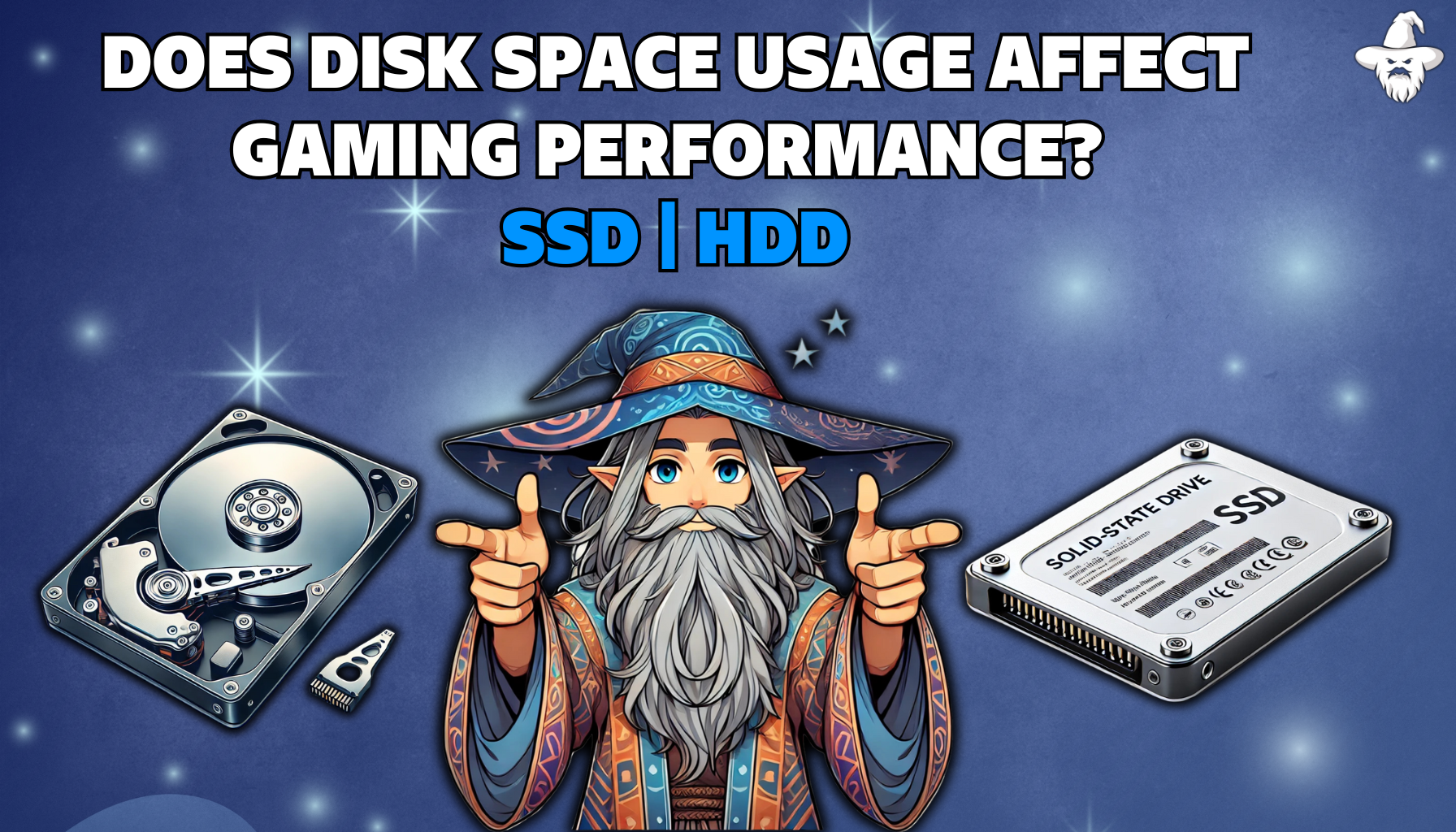

Gaming PC Storage Guide 2026 1TB Vs 2TB SSD 1781265076 Gaming PC Storage Comparison Infographic Showing 1TB Vs 2TB SSD Capacity, Game Storage PCIe Gen 4 SSD Benefits, And Gaming Storage For 2026 . Does Disk Space Usage Affect Gaming Performance SSD HDD Hdd Ssd Eng . 7 Best Hard Drives For Gaming In 2026 That Video Game Blog Best Hard Drive For Gaming . The Best HDD In 2025 HDD For Gaming Streaming Or Business Which HDD To Buy 1 . Top 5 Gaming Hard Disks In 2025 We Gamers Club Download

Best HDD For Gaming On Laptop And Desktop MiniTool Partition Wizard Best Hdd For Gaming Thumbnail . Does Disk Speed Affect Gaming SSD Vs HDD Vs NAS Benchmarks YouTube . HDD VS SSD Summary Hdd Vs Ssd For Gaming . The Best Hard Drive For Gaming In 2026 HDD Buying Guide Best Hard Drive For Gaming 2023 Overall High Capacity For Console . The Evolution Of Gaming Storage SSDs Vs HDDs Artist Ryai The Evolution Of Gaming Storage Ssds Vs Hdds 1



SSD VS HDD What S The Difference And Which Is Better For Gaming Hdd Vs Ssd . Best HDD For Gaming PC In 2026 Fastest Most Reliable Picks Best Gaming Hdd 2026 . M 2 NVMe Vs SSD Vs HDD Loading Windows And Games. Best Hard Drive HDD For Gaming 2026 Best For Speed Storage Seagate Barracuda 3TB Unboxing 2 . SSD Vs HDD For Gaming Do SSDs Make Your Games Run Faster Is It Any

Best Hard Drive HDD For Gaming 2026 Best For Speed Storage Best Hard Drive For Gaming . Best Alienware Gaming PC 2026 Out Of This World Aurora Builds . Best RAM For Gaming 2026 Fast Cheap And RGB Tom S Hardware . Top 10 Most Anticipated Games Of 2026 What To Watch Out For TVN GAMES IN 2026 . The 10 Good Hdd For Gaming Of 2026 Tested By Our Experts Good Hdd For Gaming 1681730453 768 60

Diff Rence Ssd Et Hdd Gaming Disque Dur Ssd Ou Hdd DACHN Ssd Vs Hdd Speed Test . SSD Vs HDD For Gaming Do SSDs Make Your Games Run Faster . Is I7 13620H Good For Gaming In 2026 RTX 4050 4060 Benchmarks I7 13620H Good Gaming 2026 Main 33 . SATA Hard Drive Lifespan Calculator Estimate HDD Longevity West Games Sata Hard Drive Lifespan Calculator Estimate Hdd Longevity . Western Digital Runs Out Of 2026 HDD Stock WareData Tech Enthusiast Western Digital Runs Out Of 2026 HDD Stock