Navigating your ASUS TUF Gaming PC's BIOS can be a bit like entering a secret level, especially when tackling settings like Secure Boot. Many dedicated gamers, balancing intense gaming sessions with work and family life, find themselves needing to adjust these deep-seated system configurations to achieve specific goals. This comprehensive guide is tailored for you. Whether you're aiming to install a different operating system like Linux, get an older graphics card or specific peripheral to play nice, or troubleshoot compatibility issues with certain gaming software, understanding how to disable Secure Boot on your TUF Gaming machine is a crucial skill. We'll walk you through the process step-by-step, explain why you might want to do this, and highlight the important considerations to keep in mind, all without the jargon. With over 87% of US gamers regularly engaging for 10+ hours a week, optimizing and customizing your setup is key to an enjoyable and stress-free experience. This article provides practical, actionable advice to empower you to take control of your gaming rig.
Related games- How To Fix Roblox Down? A Quick Guide For Gamers
- Guide How to Buy Roblox Money Safely in 2026
- GTA 5 Spaceship Parts Guide How to Find All 50
- Guide Roblox R34 Game Understanding Platform Safety
- Guide Are Mid Towers Good for Gaming Power
Q: What is Secure Boot on my ASUS TUF Gaming PC?
A: Secure Boot is a security feature within your ASUS TUF Gaming PC's UEFI firmware that ensures only trusted software, like your operating system's bootloader, can load during startup. It verifies digital signatures to prevent malicious software from hijacking the boot process, enhancing your system's protection against rootkits and other low-level threats.
Q: Why would a gamer need to disable Secure Boot on a TUF Gaming laptop?
A: Gamers might need to disable Secure Boot to install alternative operating systems like Linux, use older or specific hardware that lacks compatible signed drivers, run specialized system utilities, or troubleshoot unique boot conflicts. It offers flexibility for advanced customization and compatibility with non-standard setups.
Q: How do I access the UEFI settings on my ASUS TUF Gaming desktop to disable Secure Boot?
A: To access UEFI settings on your ASUS TUF Gaming desktop, restart your PC and repeatedly press the Delete (Del) key or F2 as the ASUS or TUF Gaming logo appears. This will launch you into the UEFI utility, where you can then navigate to advanced options to adjust Secure Boot settings.
Q: What are the exact steps to disable Secure Boot in the TUF Gaming UEFI?
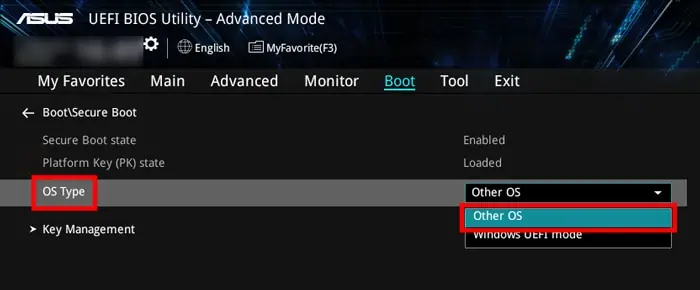
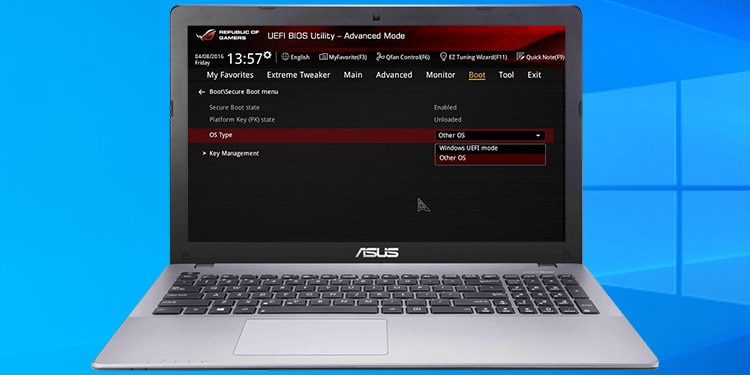
A: In the UEFI Advanced Mode, navigate to the 'Boot' or 'Security' tab. You might first need to set 'OS Type' to 'Other OS'. Then, find 'Secure Boot', select it, and change its status to 'Disabled'. Finally, go to the 'Exit' tab and choose 'Save Changes & Exit' to apply the settings.
Q: What are the security risks if I disable Secure Boot on my gaming PC?
A: The primary risk is reduced protection against rootkits and other low-level malware, as the system will no longer verify the integrity of boot components. This can make your PC more vulnerable to sophisticated attacks. It's recommended to re-enable Secure Boot once your specific task is complete.
Q: Will disabling Secure Boot improve my ASUS TUF Gaming PC's performance?
A: No, disabling Secure Boot generally does not directly improve gaming performance. It's a security feature that operates during startup and does not impact in-game frame rates or system resources during gameplay. Performance gains typically come from hardware upgrades, driver updates, or game optimizations.
Q: Can I re-enable Secure Boot on my ASUS TUF Gaming system after disabling it?
A: Yes, you can easily re-enable Secure Boot. Simply restart your PC, enter the UEFI settings (Delete key or F2), navigate back to the 'Boot' or 'Security' tab, set 'OS Type' to 'Windows UEFI mode' if needed, then change 'Secure Boot' from 'Disabled' to 'Enabled'. Save changes and exit to apply.
Hey there, fellow gamers! Ever felt that itch to truly customize your gaming rig, push its boundaries, or maybe even venture beyond the usual operating systems? You're not alone. Many of us, especially those juggling jobs, families, and still finding time for our passion, want our machines to do exactly what we need, whether that's running a niche game, experimenting with Linux, or simply getting an older piece of hardware to cooperate. With about 87% of US gamers regularly dedicating 10+ hours a week to their favorite titles, efficiency and customization are more important than ever. Sometimes, to achieve that ultimate setup or troubleshoot a stubborn compatibility issue on your beloved ASUS TUF Gaming PC, you might need to dive into the BIOS and confront a setting called Secure Boot. Sounds intimidating? Don't sweat it. We're here to break down exactly how to disable Secure Boot on your TUF Gaming system, why you might consider it, and what to keep in mind, all in plain, friendly language.
Many gamers in 2026 are looking for ways to optimize their systems for specific titles, stream without hitches, or even run virtual machines for game development or testing. The standard configurations are great, but sometimes, you need that extra bit of control. This guide will empower you to confidently navigate your TUF Gaming machine's advanced settings, making sure your gaming experience is exactly what you want it to be. Let's get started on unlocking the full potential of your rig!
What Exactly is Secure Boot and Why Does My TUF Gaming PC Have It?
Secure Boot is a security feature integrated into your ASUS TUF Gaming PC's UEFI (Unified Extensible Firmware Interface) firmware, which is essentially the modern version of the BIOS. Its primary purpose is to enhance your system's security during the boot process by ensuring that only trusted software—like your operating system's bootloader—can load. It checks the digital signature of every piece of software that tries to run before the OS fully boots. If a signature isn't recognized or valid, Secure Boot prevents that software from loading, effectively blocking potential malware or unauthorized operating systems. Your TUF Gaming PC, like most modern computers, comes with Secure Boot enabled by default to protect you against rootkits and other low-level threats, providing a safer computing environment right out of the box.
When Should I Consider Disabling Secure Boot on My ASUS TUF Gaming Laptop or Desktop?
While Secure Boot offers significant security benefits, there are several legitimate reasons why a gamer or power user might need to disable it on their TUF Gaming machine. The most common scenarios include:
- Installing Alternative Operating Systems: If you're a fan of Linux distributions or other non-Windows operating systems, you might find that they don't always support Secure Boot out of the box, or their bootloaders aren't signed by Microsoft's trusted certificate. Disabling Secure Boot is often a necessary step to install and dual-boot these systems.
- Using Older or Specific Hardware: Some legacy graphics cards, network adapters, or other peripherals may use older drivers or firmware that aren't digitally signed in a way Secure Boot recognizes. This can lead to compatibility issues or prevent the hardware from working correctly.
- Running Custom or Unsigned Software: Certain specialized utilities, system diagnostic tools, or even some older gaming-related applications might not be signed. Disabling Secure Boot allows you to run these programs without interference during boot.
- Troubleshooting Boot Issues: In rare cases, Secure Boot itself might be a factor in unexpected boot failures or conflicts, making it a troubleshooting step to temporarily disable it.
- Virtual Machine Software: Sometimes, certain virtualization platforms or their components might interact with Secure Boot in ways that require it to be disabled for optimal performance or functionality.
It's important to weigh the security implications against your specific needs before proceeding.
How Do I Access the BIOS/UEFI Settings on My TUF Gaming System?
Accessing the BIOS (or more accurately, UEFI) on your ASUS TUF Gaming PC is the first crucial step to disabling Secure Boot. The process is straightforward:
- Restart Your PC: Begin by restarting your ASUS TUF Gaming desktop or laptop.
- Press the BIOS Key Repeatedly: As soon as the ASUS or TUF Gaming logo appears during startup, begin repeatedly pressing the designated BIOS key. For most ASUS TUF Gaming models, this is typically the Delete (Del) key or the F2 key. If neither works, try F10 or F12. You'll need to be quick!
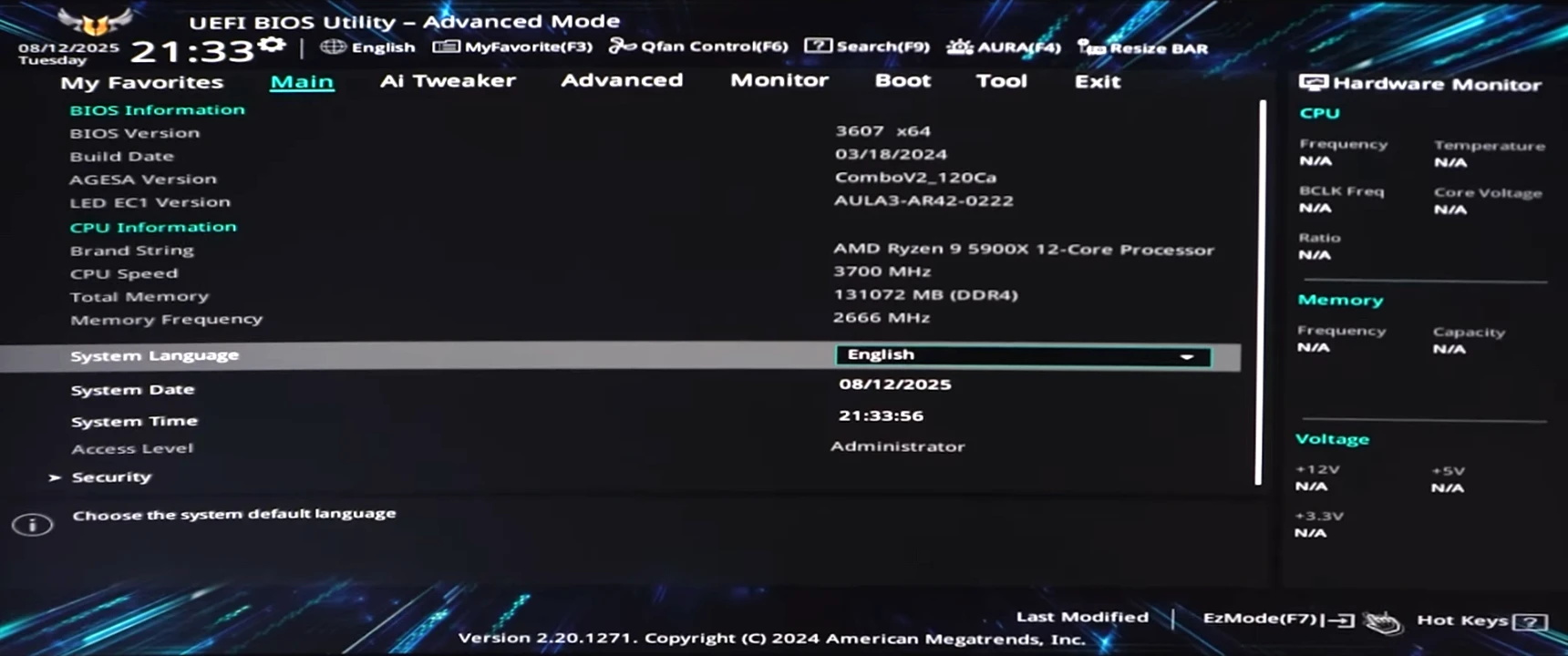
- Enter BIOS/UEFI: If successful, you'll enter the UEFI Utility interface. It might look a bit different depending on your specific TUF Gaming model and UEFI version, but the general layout will be similar.
If you miss the window, don't worry, just restart and try again. It often takes a couple of tries to get the timing right.
Step-by-Step Guide: Disabling Secure Boot on ASUS TUF Gaming PCs
Once you're in the UEFI interface, here's how to navigate and disable Secure Boot:
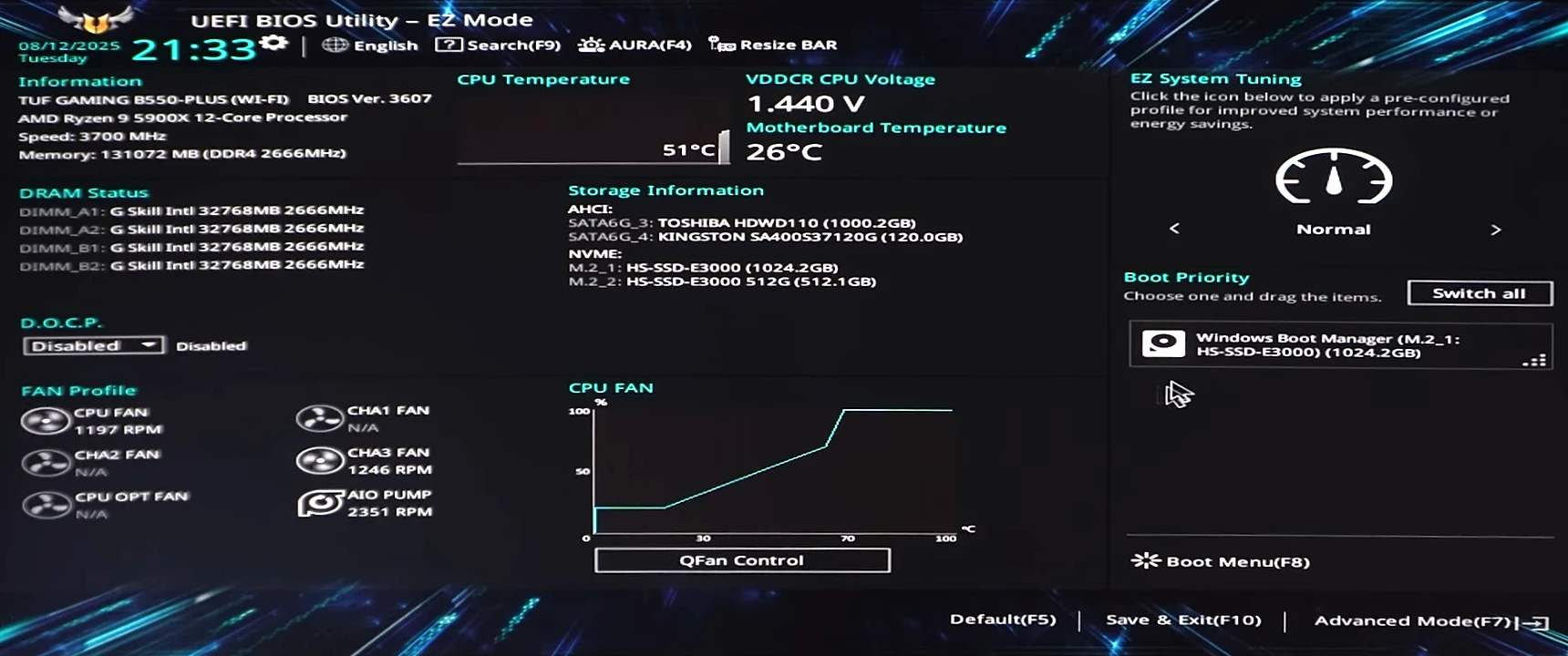
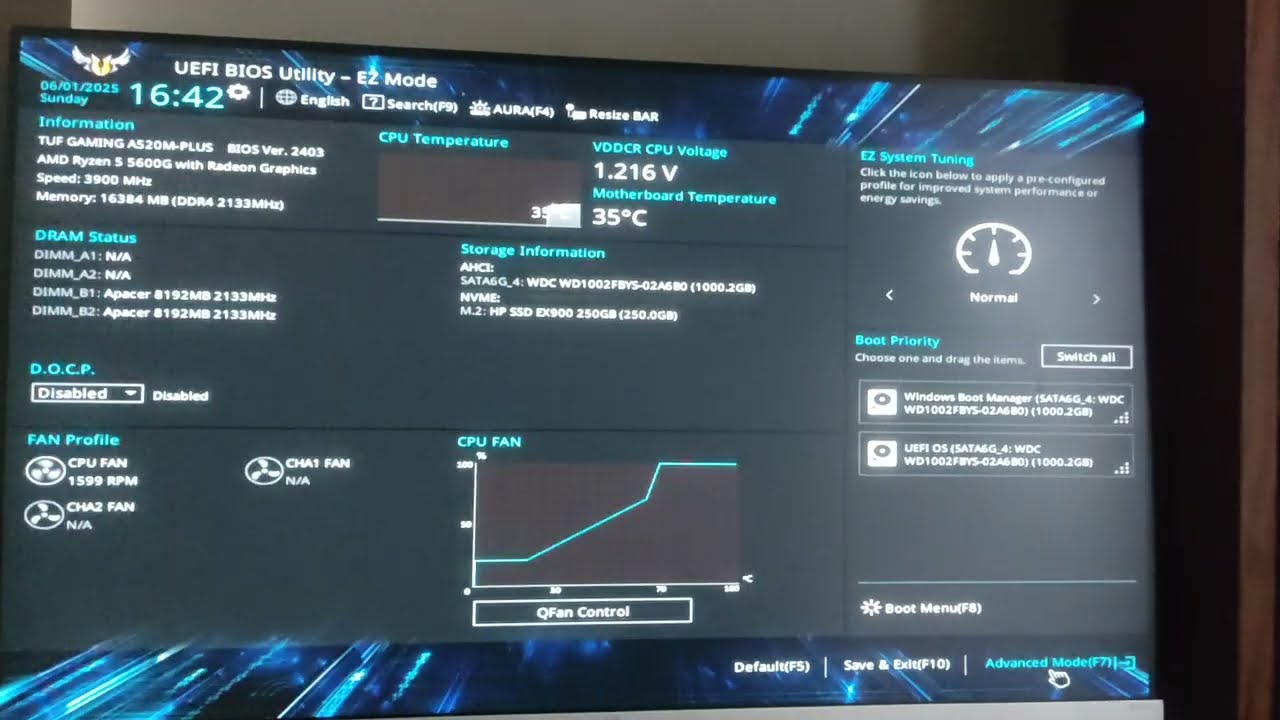
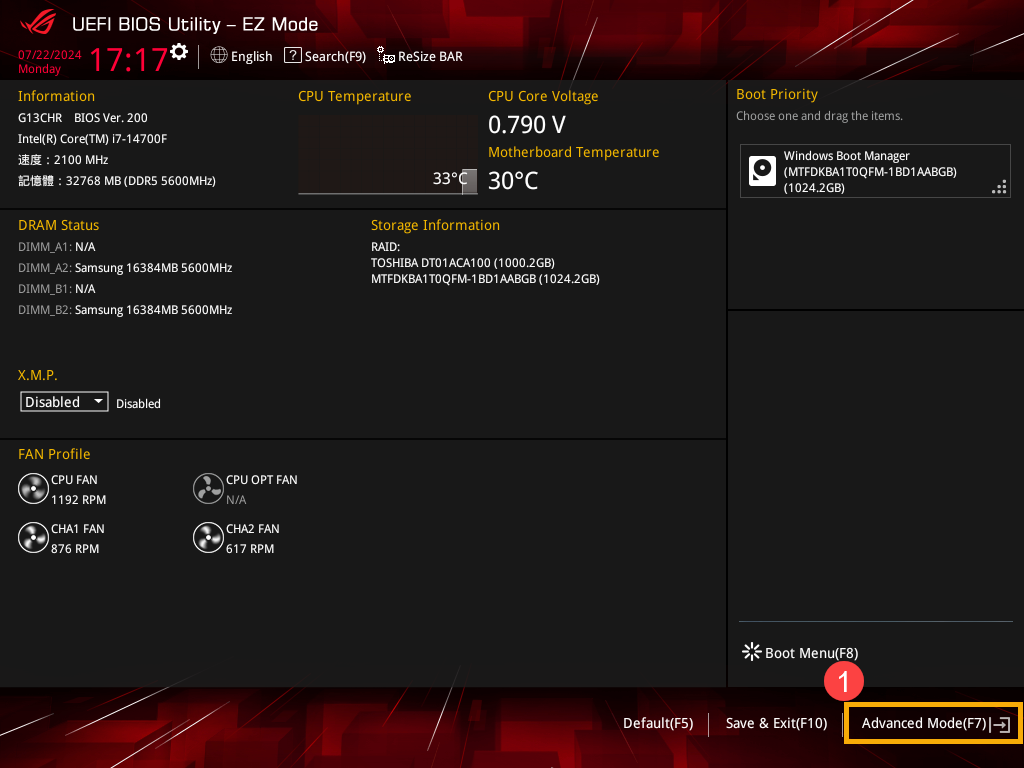
- Enter Advanced Mode: Your UEFI might start in 'EZ Mode'. Look for an option to switch to 'Advanced Mode'. This is often done by pressing F7 or clicking an 'Advanced Mode' button on the screen.
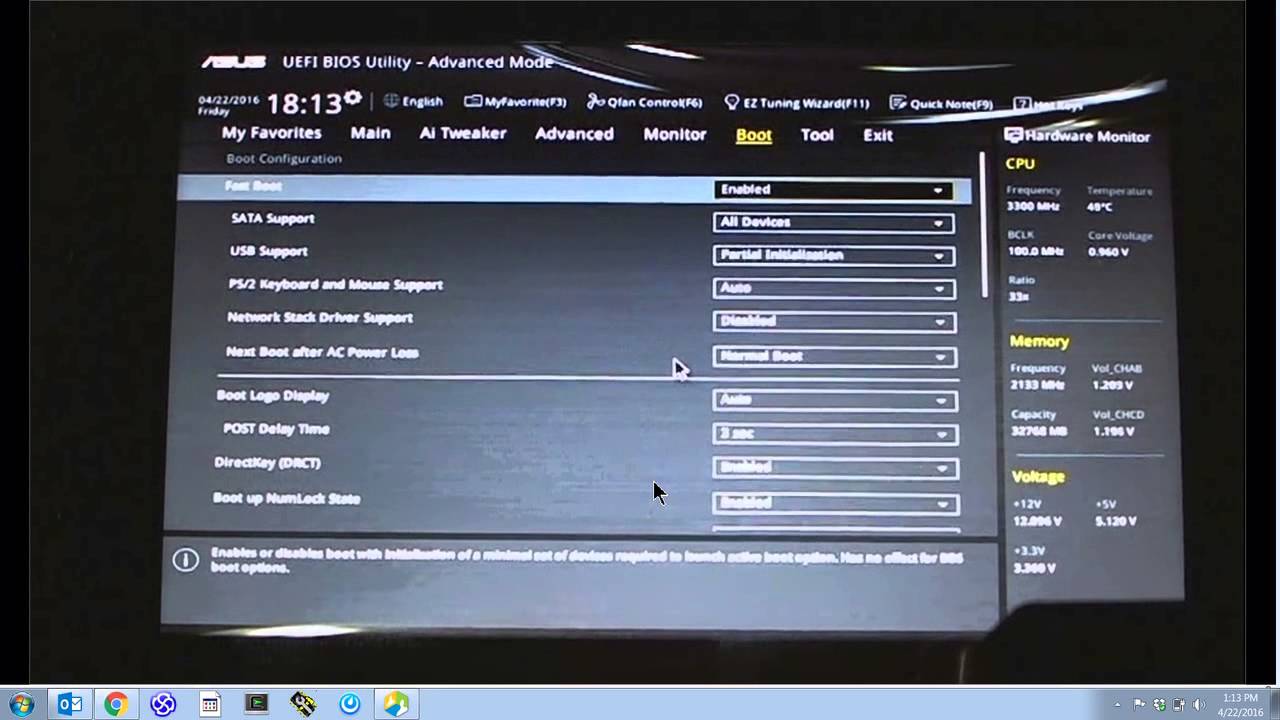
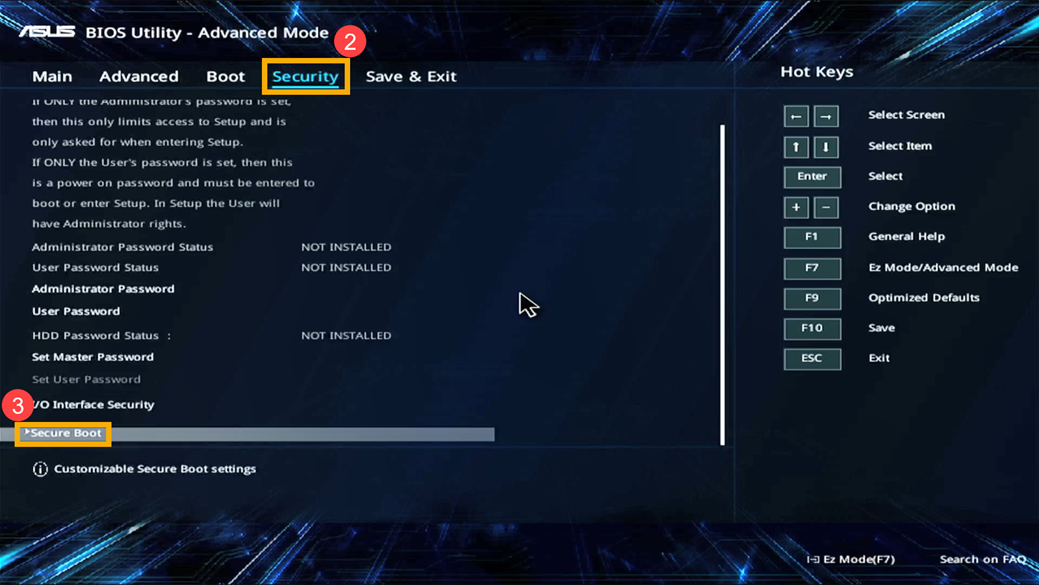
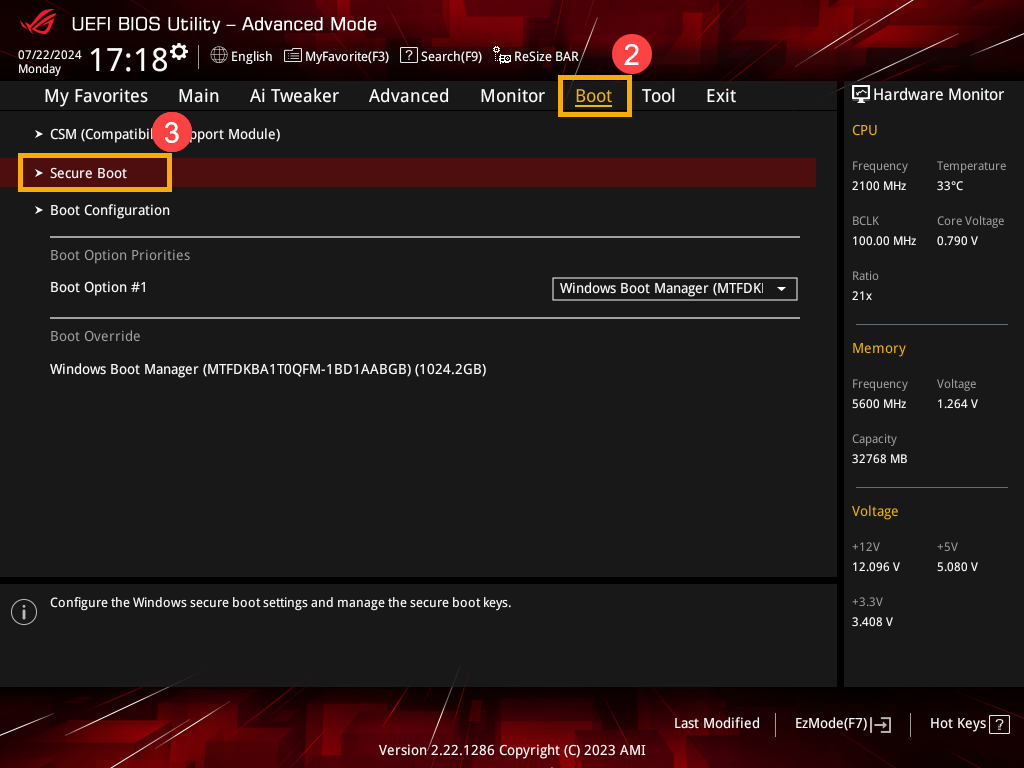
- Navigate to the Boot or Security Tab: In Advanced Mode, use your keyboard's arrow keys or mouse to navigate to the 'Boot' tab or the 'Security' tab. The exact location can vary, but these are the most common places.
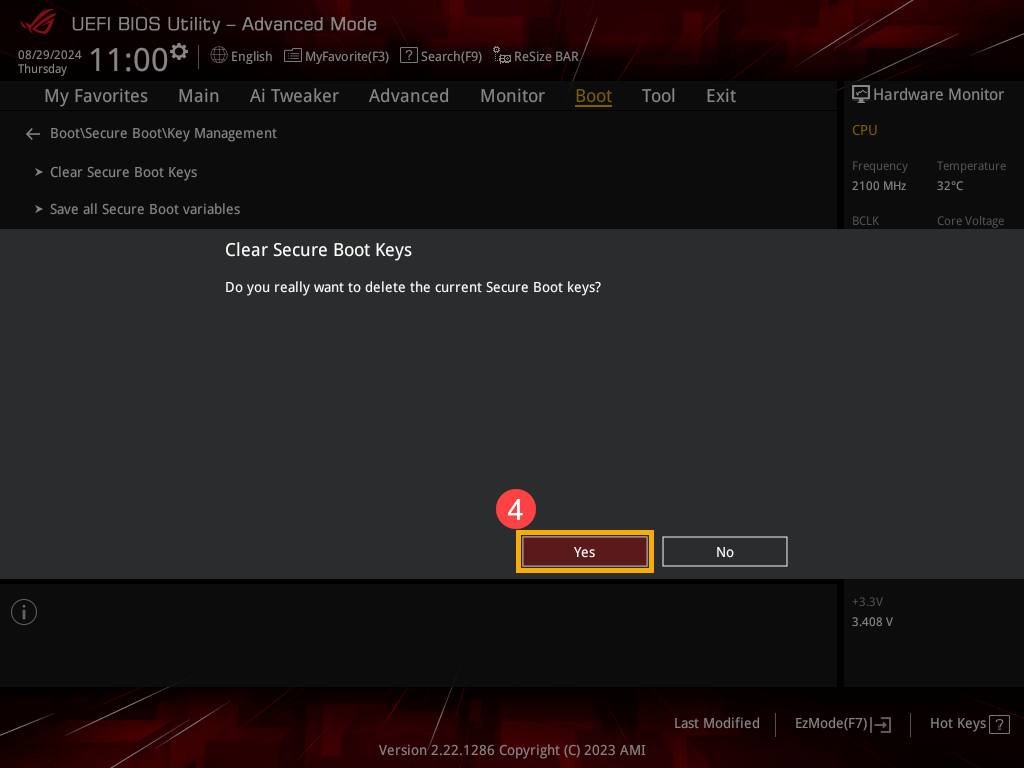
- Locate 'Secure Boot': Within the 'Boot' or 'Security' tab, look for an option labeled 'Secure Boot'.
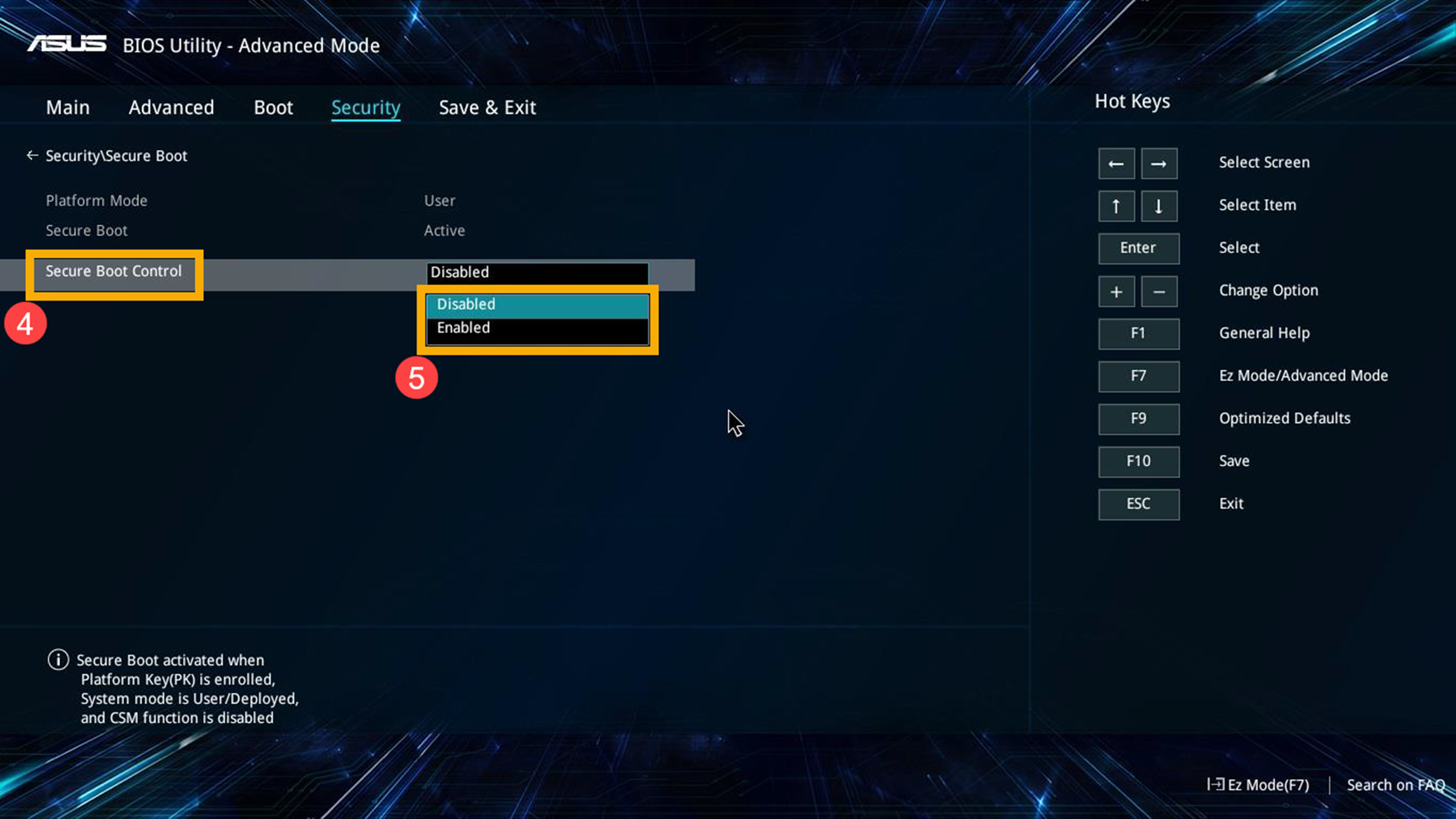
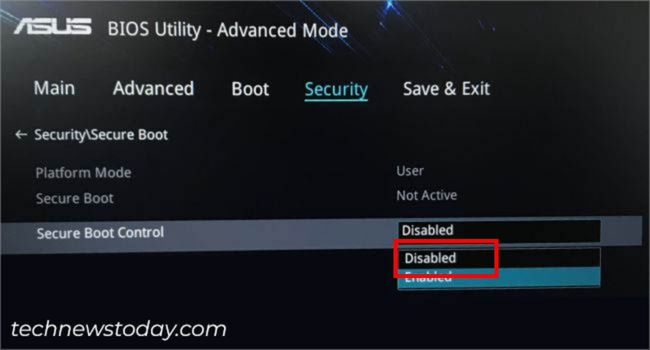
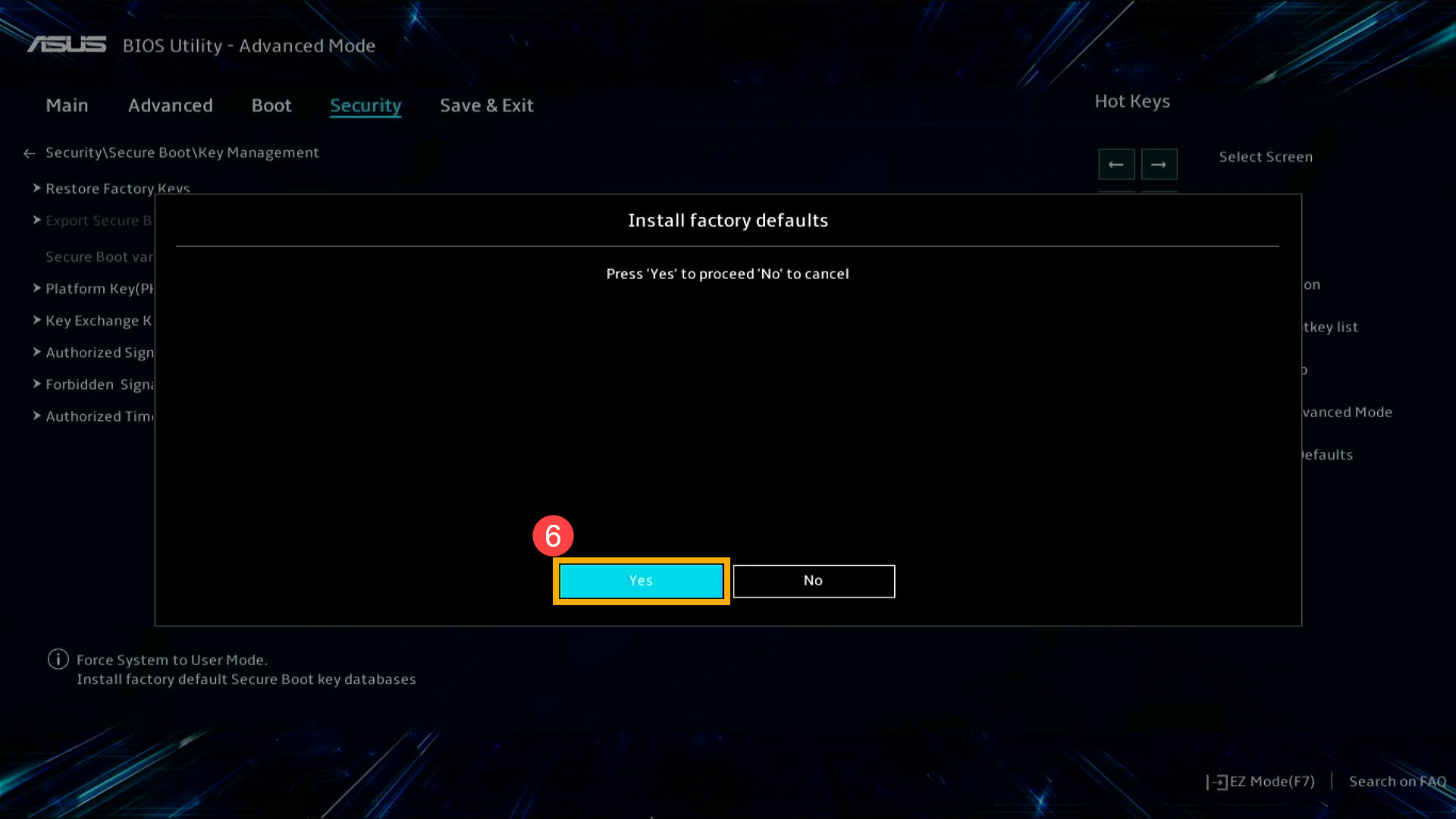
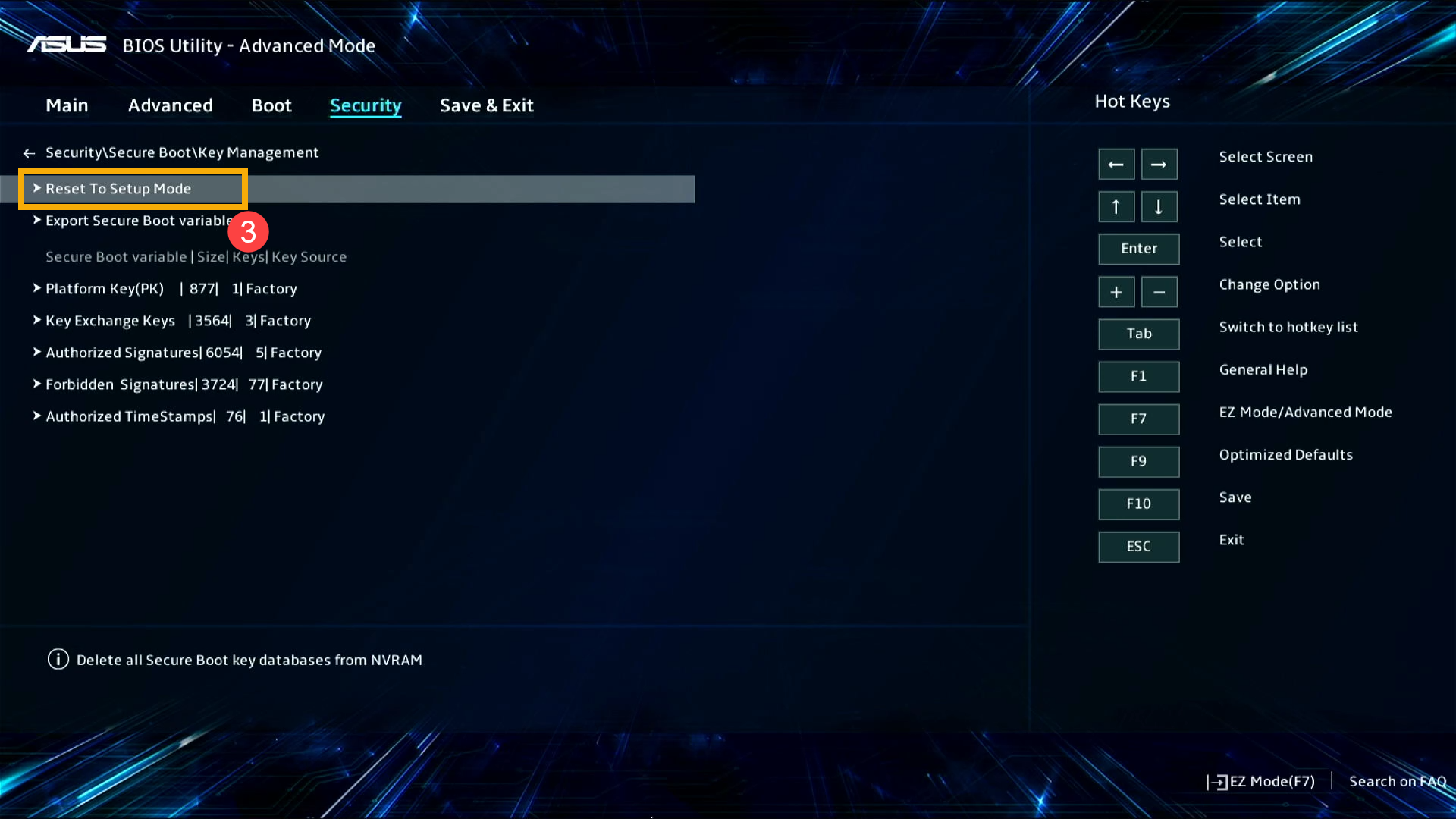
- Disable Secure Boot Control: You might first need to set 'OS Type' to 'Other OS' instead of 'Windows UEFI mode' to make the Secure Boot option editable. This step is common on many ASUS boards.
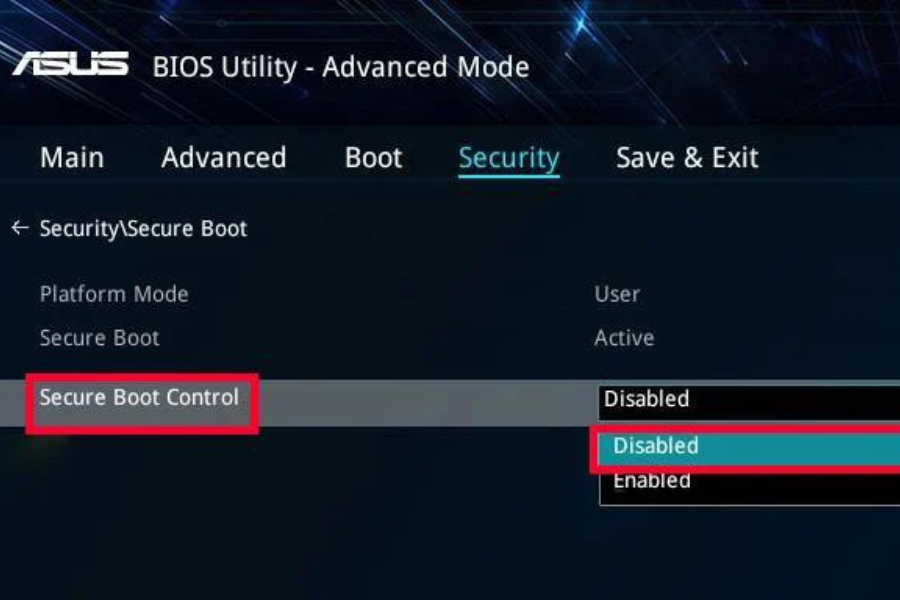
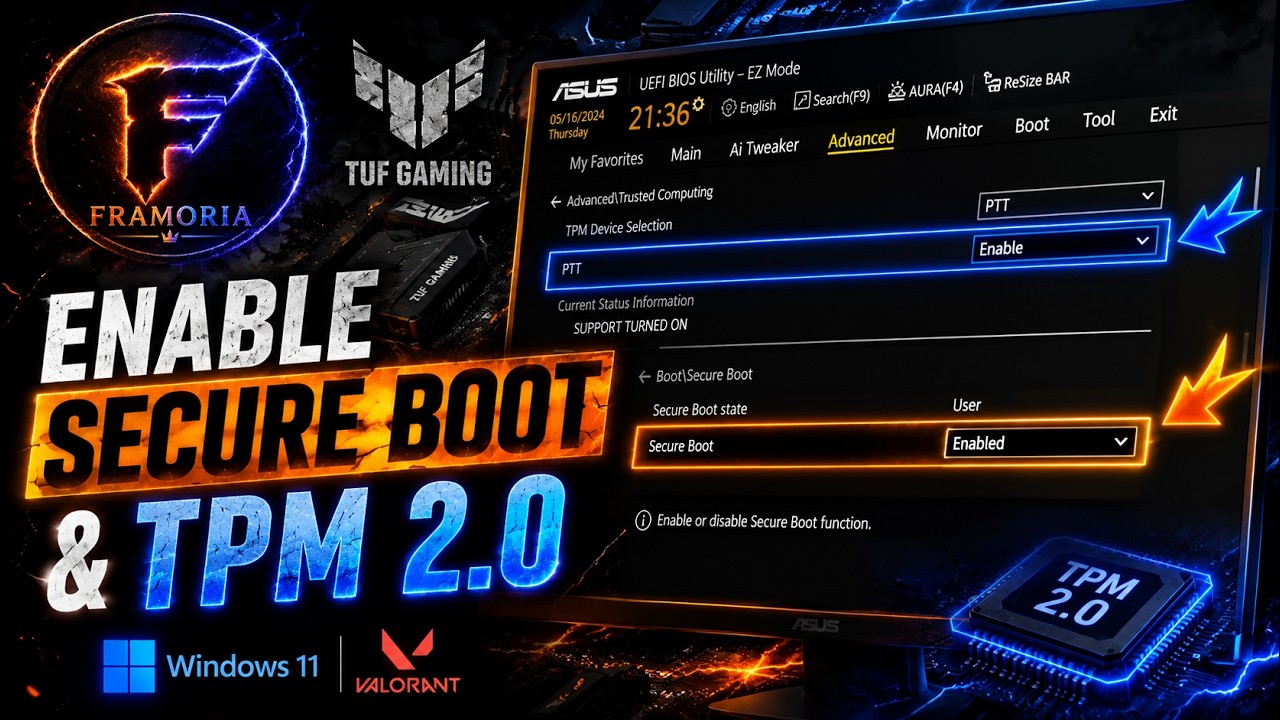
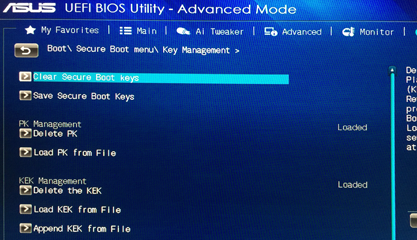
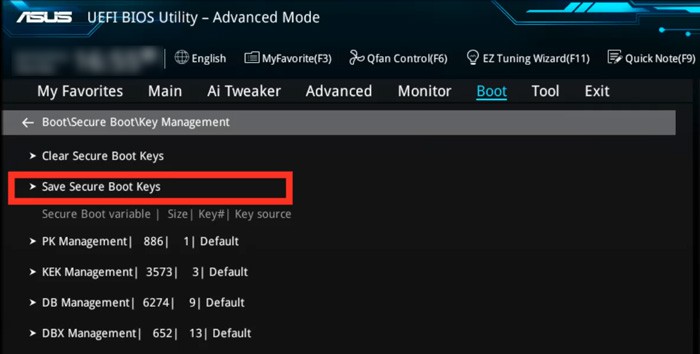
- Set 'Secure Boot' to 'Disabled': Once the option is available, select 'Secure Boot' and change its status from 'Enabled' to 'Disabled'.
- Save Changes and Exit: After disabling Secure Boot, navigate to the 'Exit' tab. Select 'Save Changes & Exit' or 'Save Changes and Reset'. Confirm your choice when prompted. Your system will then restart.
Congratulations! You have successfully disabled Secure Boot on your ASUS TUF Gaming PC. The system will now reboot, and you should be able to proceed with your intended task, like installing a new OS or using your specialized hardware.
What Are the Risks and Implications of Disabling Secure Boot?
While disabling Secure Boot offers flexibility, it's crucial to understand the implications:
- Reduced Security: The most significant risk is that your system becomes more vulnerable to malware like rootkits. These malicious programs can embed themselves deep into your system's boot process, making them difficult to detect and remove. Secure Boot acts as a shield against such threats.
- Warranty Concerns (Minor): Disabling Secure Boot generally does not void your warranty. However, if troubleshooting a hardware issue, support might ask you to re-enable it for testing.
- Windows 11 Compatibility: Windows 11 officially requires Secure Boot and TPM 2.0 to be enabled. If you disable Secure Boot, you might encounter issues with Windows 11 updates, or your system might not meet the minimum requirements for future Windows 11 versions. This is a key consideration for many gamers wanting to stay current with Microsoft's OS.
Always consider these points and only disable Secure Boot if you fully understand why you need to and are comfortable with the trade-offs.
Can Disabling Secure Boot Improve Gaming Performance on My TUF System?
In most cases, disabling Secure Boot will not directly improve your gaming performance. Secure Boot operates at the very early stages of your PC's boot process and doesn't actively consume system resources or impact in-game frame rates. Its role is purely security-related, verifying boot components. Performance gains in gaming typically come from factors like CPU, GPU, RAM, storage speed, updated drivers, and optimized game settings. However, disabling Secure Boot might indirectly enable performance enhancements if it allows you to:
- Install a specific older GPU that wasn't compatible with Secure Boot and offers better performance for a legacy game.
- Run a custom-tuned operating system (like a specialized Linux distribution) that offers better resource management for gaming than Windows, but requires Secure Boot to be off.
- Utilize specific low-level system tools or tweaks that conflict with Secure Boot but are designed to optimize hardware performance.
For the average gamer simply looking for more FPS in their favorite AAA titles, disabling Secure Boot is unlikely to be the magic bullet.
How Do I Re-enable Secure Boot If I Change My Mind or Need To?
Re-enabling Secure Boot is just as important as knowing how to disable it, especially if you plan to return to a standard Windows environment or wish to restore your system's security features. The steps are essentially the reverse of disabling it:
- Restart and Enter BIOS/UEFI: Reboot your ASUS TUF Gaming PC and repeatedly press the Delete (Del) key or F2 to enter the UEFI settings.
- Go to Advanced Mode: If in EZ Mode, press F7 to switch to Advanced Mode.
- Navigate to Boot or Security Tab: Head back to the 'Boot' or 'Security' tab where you found the Secure Boot setting.
- Set 'OS Type' back to 'Windows UEFI mode': If you changed this earlier, switch it back. This is often necessary before you can enable Secure Boot.
- Enable Secure Boot: Locate the 'Secure Boot' option and change its status from 'Disabled' to 'Enabled'.
- Save and Exit: Go to the 'Exit' tab, select 'Save Changes & Exit', and confirm. Your system will reboot with Secure Boot re-enabled.
It's always a good idea to re-enable Secure Boot if you're done with the specific task that required it to be disabled, especially when running Windows 11.
Are There Alternatives to Disabling Secure Boot for My Goals?
Sometimes, what seems like a Secure Boot problem can be solved in other ways. For instance, if you're struggling with drivers or hardware compatibility:
- Update Drivers and Firmware: Ensure all your ASUS TUF Gaming drivers (chipset, GPU, network) and BIOS/UEFI firmware are up to date. Manufacturers often release updates that improve compatibility.
- Check Hardware Compatibility Lists: If you're adding new hardware, consult its compatibility list or forums to see if it has known Secure Boot issues or requires specific settings.
- Signed Linux Distributions: Many modern Linux distributions now offer bootloaders that are signed and can work with Secure Boot enabled. Always check the specific distro's documentation. Ubuntu, Fedora, and Pop!_OS are good examples that often support Secure Boot.
- Virtual Machines: If your goal is to simply run another operating system or legacy software without dual-booting or impacting your main OS, a virtual machine (like VMware or VirtualBox) is an excellent, safer alternative that doesn't require Secure Boot to be disabled.
Always explore these options before taking the step to disable a core security feature.
What Role Does TPM 2.0 Play with Secure Boot for Windows 11 Gamers?
For gamers on Windows 11, both Secure Boot and TPM 2.0 (Trusted Platform Module 2.0) are fundamental requirements. TPM 2.0 is a hardware-based security module that handles cryptographic keys, allowing for features like disk encryption and secure credential storage. Together with Secure Boot, it forms a robust security foundation for Windows 11. Your ASUS TUF Gaming PC likely has TPM 2.0 enabled by default, but if you've been tinkering in the BIOS, it's worth double-checking that it's active, especially if you're experiencing Windows 11 update issues or performance hiccups. You can usually find the TPM setting under the 'Security' tab or an 'Advanced' section within your UEFI. Ensuring both are enabled means your system is running as Microsoft intended for the latest OS, which can impact game performance and security features built into the OS itself.
Conclusion: Taking Control of Your TUF Gaming Experience
Navigating the deeper settings of your ASUS TUF Gaming PC, like knowing how to disable Secure Boot, gives you more control over your system. For the modern gamer balancing life and leisure, this knowledge translates into the flexibility to run custom setups, breathe new life into older hardware, or simply troubleshoot like a pro. While Secure Boot is a vital security feature, understanding when and how to temporarily adjust it empowers you to customize your rig to perfectly fit your evolving gaming and computing needs. Just remember the trade-offs in security and always re-enable it when it's no longer necessary.
We hope this guide helped you demystify Secure Boot on your TUF Gaming machine. What's your biggest gaming challenge when it comes to system customization or setup? Share your thoughts and experiences in the comments below! Let's keep the conversation going and help each other out.
FAQ Section
Q: Is Secure Boot mandatory for Windows 11?
A: Yes, Windows 11 officially requires Secure Boot to be enabled for installation and optimal functionality. Disabling it can lead to compatibility issues or prevent future updates.
Q: Will disabling Secure Boot affect my ASUS TUF Gaming warranty?
A: Generally, no. Disabling Secure Boot typically does not void your hardware warranty. However, for support issues, you might be asked to re-enable it.
Q: Can I install Linux on my TUF Gaming PC with Secure Boot enabled?
A: Many modern Linux distributions, like Ubuntu and Fedora, support Secure Boot and can be installed with it enabled. Always check the specific distribution's documentation for compatibility.
Q: What is the main difference between BIOS and UEFI?
A: UEFI is the modern successor to BIOS. It offers a graphical interface, mouse support, faster boot times, and support for larger hard drives, alongside advanced security features like Secure Boot.
Q: What are the best practices after disabling Secure Boot?
A: After disabling Secure Boot, be extra vigilant about installing software from trusted sources. Re-enable Secure Boot as soon as your specific task (e.g., OS installation) is complete to restore your system's security posture.
,Accessing BIOS UEFI on TUF Gaming systems, Step-by-step guide to disabling Secure Boot, Understanding Secure Boot implications for gamers, Re-enabling Secure Boot on ASUS TUF, Compatibility solutions for custom OS or older hardware.
35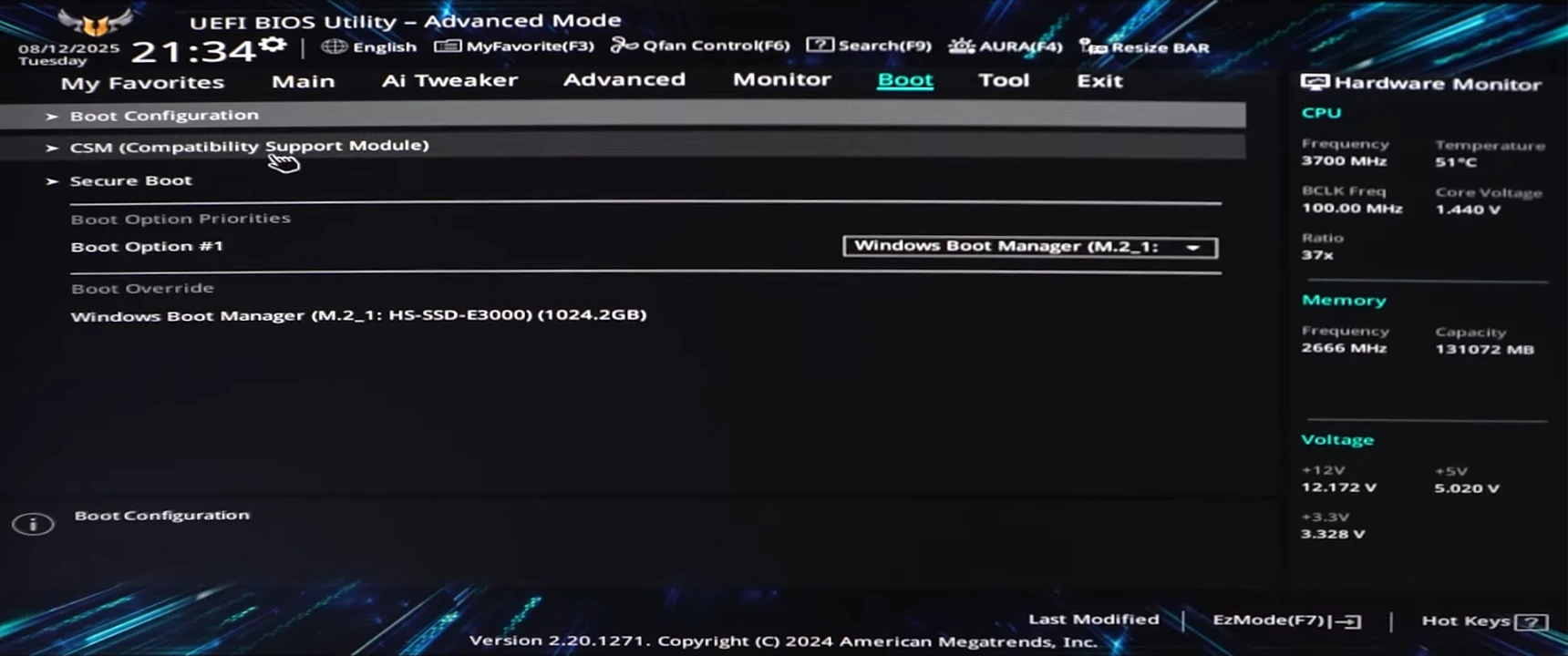


Boot Settings Page Boot.webp. How To Enable Disable Secure Boot Official Support ASUS USA ZH 3 . Tuf Gaming Motherboard Secure Boot At Anthony Sears Blog . Enable Secure Boot Asus At Max Ewing Blog . How To Enable Disable Secure Boot Official Support ASUS USA EN 19


Enable Secure Boot TPM And UEFI On ASUS TUF Hub Simple.webp. Enable Secure Boot TPM And UEFI On ASUS TUF Hub. How To Turn On Secure Boot In Asus Tuf Gaming Motherboard YouTube . How To Disable Secure Boot Tuf Gaming Step By Step YouTube . HOW TO ENABLE SECURE BOOT MODE Or TPM 2 0 ON ASUS TUF F15 AMD 2026




Tuf Gaming Motherboard Secure Boot At Anthony Sears Blog . How To Enable Secure Boot In Asus Bios YouTube . Disabiling ASUS Bios Secure Boot YouTube . How To Enable Disable Secure Boot ON ASUS Tuf Gaming A15 YouTube . How To Enable Secure Boot On ASUS TUF Gaming Motherboard Fix
How To Enable Or Disable CSM On ASUS Disable Secure Boot . How To Enable Disable Secure Boot Official Support ASUS USA ZH 2 . How To Enable Disable Secure Boot Official Support ASUS USA EN 9 . How To Enable Disable Secure Boot Official Support ASUS USA EN 6 . How To Enable Uefi Secure Boot For Valorant Secure Boot On ASUS


How To Enable Or Disable Secure Boot For ASUS Motherboard Tech2Geek. How To Enable TPM And Secure Boot On ASUS Tuf Gaming BIOS AMD Intel . ASUS TUF Gaming F15 How To Disable Secure Boot Keys To Enter The BIOS . How To Enable Disable Secure Boot Official Support ASUS Global EN 2 . How To Enable Secure Boot TPM 2 0 In Asus TUF Gaming BIOS YouTube

Tuf Gaming Motherboard Secure Boot At Anthony Sears Blog . How To Disable UEFI Secure Boot In Windows Disable Secure Boot Acer 1 . How To Enable Or Disable Secure Boot For ASUS Motherboard Tech News Today Asus Secure Boot 1 . Disable ASUS Motherboard S UEFI Secure Boot Tech Clear Secure Boot Keys . How To Enable Disable Secure Boot Official Support ASUS Canada EN 1




Can T Disable Secure Boot Asus UEFI TUF Gaming Pro X570 Tried Options . How To Enable Disable Secure Boot In BIOS YouTube . How To Enable Or Disable Secure Boot For ASUS Motherboard Save Secure Boot Keys . What Is Secure Boot And How To Disable Or Enable It Secure Boot Enable Disable V0 . Tuf Gaming Secure Boot Asus B450 Plus Secure Boot VEJYCP 2 666x500